
Accueil>Shared Sacred Sites in South Asia: Negotiating Coexistence and Belonging


15 octobre 2026
Shared Sacred Sites in South Asia: Negotiating Coexistence and Belonging
À propos de cet événement
Le 15 octobre 2026 de 17:00 à 19:00
Salle du conseil
13 rue de l'Université, 75007, ParisL’événement est accessible aux personnes à mobilité réduite.
Description
South Asia is the region of the world where the largest number of people visit sacred sites of religions which are not theirs. Why do they do that? What does it say of their sense of belonging to a community? How do they interact with the Others? And is this practice under attacks because of the rise of ethno-religious nationalisms in India, Pakistan, Bangladesh and Nepal?
Speakers
- Aminah Arif-Mohammad, CESAH/CNRS
- Laurent Gayer, CERI-Sciences Po/CNRS
- Christophe Jaffrelot, CERI-Sciences Po/CNRS
- Grégoire Schlemmer, URMIS/IRD
- Raphaël Voix, CESAH/CNRS
Venue: Salle du conseil, 13 rue de l'Université 75007 Paris
Scientific coordination: Christophe Jaffrelot, CERI - Sciences Po/CNRS
About the book

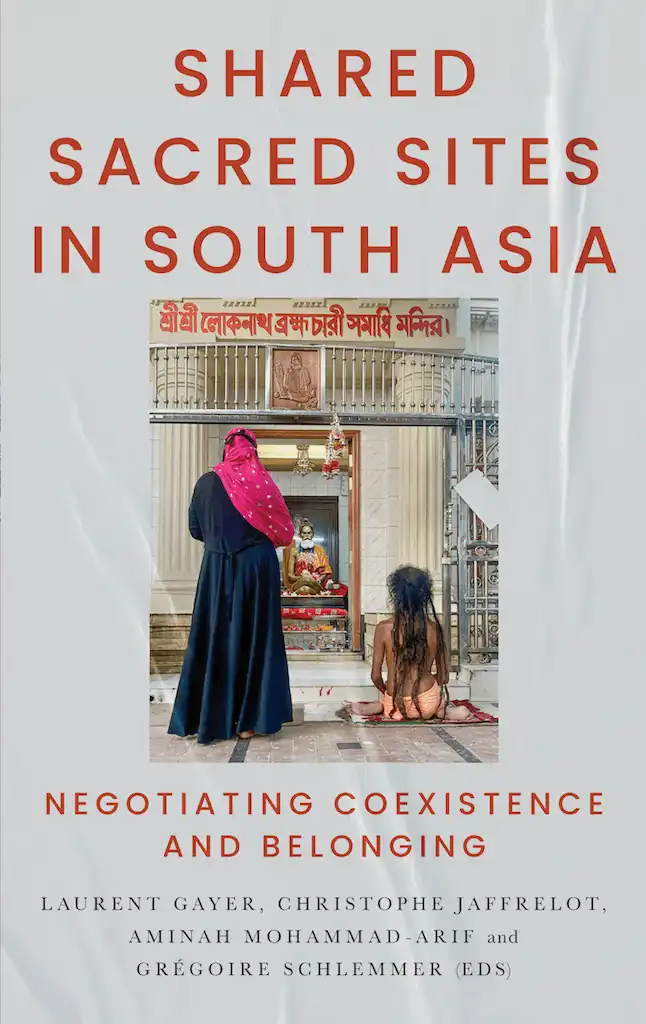
Shared Sacred Sites in South Asia. Negotiating Coexistence and Belonging.
Edited by: Laurent Gayer, Christophe Jaffrelot, Aminah Mohammad-Arif, Grégoire Schlemmer
Part of the Comparative Politics and International Studies Series, edited by Christophe Jaffrelot series