
Home>Presidential Summit of the University 7+ Alliance in Paris


17 April 2026
Presidential Summit of the University 7+ Alliance in Paris
At a time when universities are more than ever called upon to play a decisive role in addressing the world’s profound transformations – whether it be climate change, the rise of artificial intelligence, or the preservation of democratic societies – leaders from some of the world’s most prestigious universities gathered in Paris on 14 and 15 April 2026 for the Presidential Summit U7+.
Key members of the University 7+ Alliance were welcomed by French President Emmanuel Macron upon their arrival in Paris to present their official recommendations and insights ahead of the 2026 G7 summit, hosted by France in Évian next June.


« In the context of profound and often unsettling transformation that our current world is undergoing, the raison d’être of the U7+ Alliance is not only intact: it is more urgent than ever. 7 years after it initiated the U7+ Alliance, Sciences Po is proud to have co-hosted the 2026 Summit. As we affirmed in the statement that was presented to the French President Emmanuel Macron, our universities play a structuring role in maintaining a space of knowledge creation and transmission that is essential to democratic debate and to the construction of shared solutions. »
Luis Vassy
President of Sciences Po
2026: a focus on the social role of universities
Under the theme “Revisiting the Social Role of Universities in a Changing World”, this year’s summit, hosted in Paris by Sciences Po, École Polytechnique, and Université Paris Cité, highlighted the unique way universities can produce knowledge, train tomorrow’s leaders, and strengthen democratic civil societies.
The Social Role of Universities in a Divided World U7+ 2026 Communiqué
Preamble
At a time of global crisis, the U7+ Alliance of World Universities seeks to partner with G7 governments to strengthen our democracies, advance economic growth and innovation, and promote effective multilateral cooperation.
Universities are engines of renewal. We educate new generations of citizens and leaders; support cutting-edge research vital for the economy and society; and serve as trusted partners in our communities – local, national, and international.
In the midst of deep divisions within and across our societies, higher education institutions play a critical role in building and sharing reliable knowledge, promoting constructive debate, and working with diverse stakeholders to address policy problems.
The artificial intelligence revolution highlights the social responsibilities of universities. AI is driving educational transformation, facilitating basic and applied research, and reshaping the economy and society.
Yet access to new technologies is uneven, and AI tools and social media algorithms are spreading misinformation and undermining trust in public institutions.
At this historic juncture, universities remain strongly committed to educational access and scientific excellence for the common good. We seek to partner with G7 governments to address the divides that plague our democracies, promote responsible and inclusive technological progress, and support effective cooperation on pressing global issues.
The social responsabilities of universities
The last two decades have seen impressive growth in university enrollments around the world. Across the G7, education in the humanities, social sciences, and STEM fields has prepared generations of citizens for leadership in business, civil society, and the public sector. Scientific research and its applications have made vital contributions to economic growth and social progress, including poverty reduction, improved public health, and protection of the environment. Universities have brought together diverse communities – across social and ideological divides – in a shared enterprise that serves broader publics. And through dynamic international networks inclusive of the Global South, they have sought to address structural inequalities and promote intercultural dialogue.
Despite this record of achievement, the higher education sector faces a crisis of public trust in some parts of the world. The cost of university degrees has risen considerably for many students and families, and some citizens view higher education as a bastion of privilege unaccountable to our wider societies. Government officials in some countries have questioned the validity of evidence-based scientific research in areas including climate change and public health. Others have sought to undermine academic freedom and the institutional autonomy of universities by imposing ideological agendas.
As we enter the AI era, dynamic, independent and inclusive university communities are well positioned to cooperate with governments, business, and civil society to drive economic growth and promote resilient societies. Universities are home to cutting-edge research on AI technology and its applications across sectors including health care, energy, and manufacturing. They seek to promote adaptive and accessible education programmes that provide citizens with the skills to thrive in dynamic knowledge economies. And their productive research and educational partnerships with governments boost national competitiveness and foster global cooperation in a rapidly changing world order.
Universities have a particularly central role to play in combating the social mistrust and digital manipulation that threaten our democracies. Over the past decade, the rise of social media and the decline of trusted mainstream news have reinforced political polarisation and mutual suspicion. More recently, the emergence of generative AI, as well as deepfake images and videos, have undermined faith in objective truth. Vibrant public spheres, essential for open societies, are in retreat. In this new “post-truth” environment, the higher education sector remains fully committed to critical thinking and free scientific inquiry as core social values. In recent years, universities have launched multiple initiatives to promote dialogue across differences and support research and impact programs around urgent policy issues.
In an era of rapid technological and geopolitical change, our institutions are committed to strengthening civic culture and institutions by advancing our core academic mission, bridging social divides, and promoting responsible and sustainable innovation.
Commitments by U7+ members
We commit to:
- Educational excellence that prepares students for both successful careers and service to society. Accessible programs that combine critical thinking with the responsible use of technology will position our countries to compete and cooperate effectively into the future;
- Research for impact that advances solutions to the challenges facing our societies from the grassroots to the global level. Dynamic scientific research will promote progress across a range of critical issues, from economic growth and social cohesion to public health, environmental sustainability, and ethical AI;
- Advancing civil discourse and respectful disagreement through creative and intentional programs. Ongoing consultations and mutual learning across our institutions will increase our capacity to learn from one another and to engage differences in our communities and within and across our societies.
Recommendations to G7 and other governments
We invite G7 governments to partner with us through:
- Institutional support for universities’ educational and research mission that respects academic freedom as a driver of knowledge creation and economic and social innovation;
- National consultations that convene higher education leaders with partners in the public and private sectors and civil society to address the challenges of the AI revolution, including threats to democracy and society posed by misinformation;
- International cooperation that brings university leaders into global policy conversations about shared challenges ranging from AI and trade to climate change and security.
The heads of the three hosting institutions also published an op-ed in the French media, Les Échos.
Other major topics of pressing relevance were addressed in relation to the summit’s central theme during the various sessions held: environmental crises, the responsible use of artificial intelligence, and dual-use research.

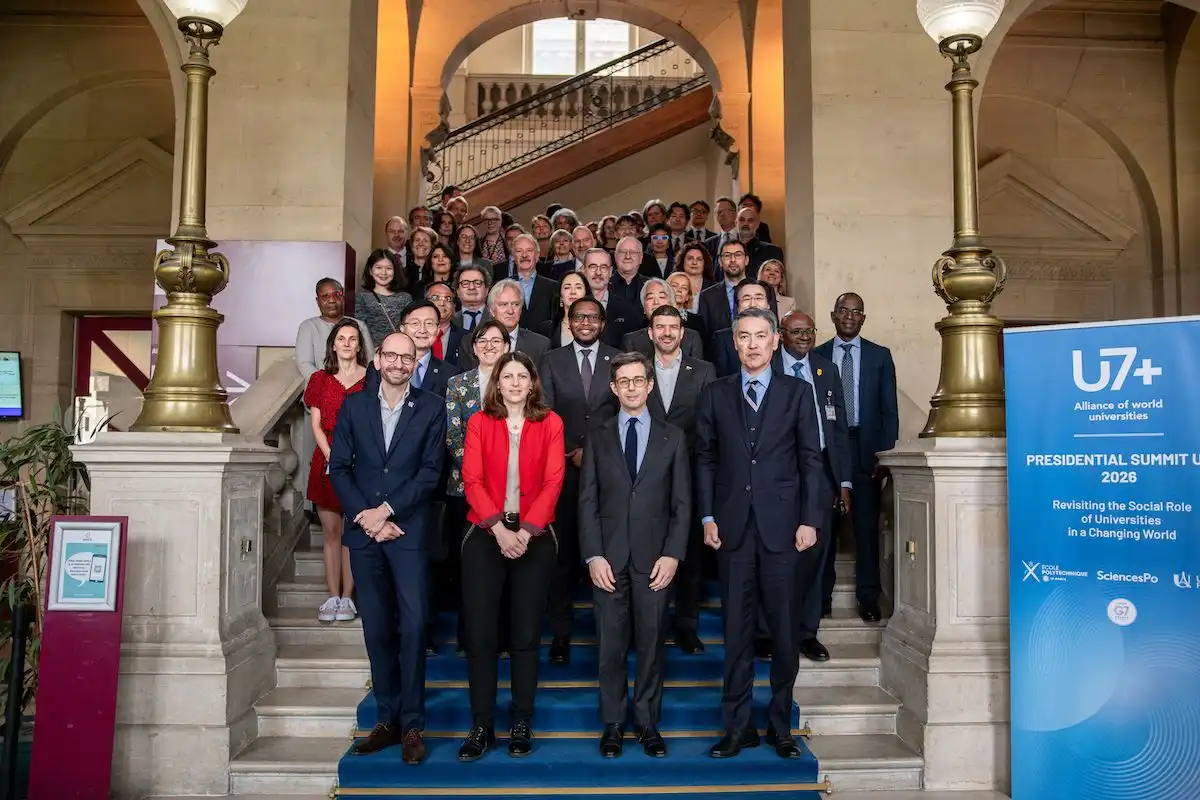
They Attended
85 participants from 40+ universities attended the 2026 Summit – Presidents, Vice-Presidents, Provosts, Rectors, etc. Among them, the presidents of Bocconi University, Keio University, University of Cape Town, and University College London.
What are the main challenges facing universities in our contemporary world?
Universities are facing three challenges. The first one is technological, with the rise of AI. As a former professor of demography, I believe that the second one is demographic. Some universities will have to adapt to a world with fewer young people, that will live longer. The geopolitical landscape is obviously the third challenge. It represents an existential challenge for universities, in the way it threatens freedom and funding for research and education. Being united gives us more strength to face this challenge.
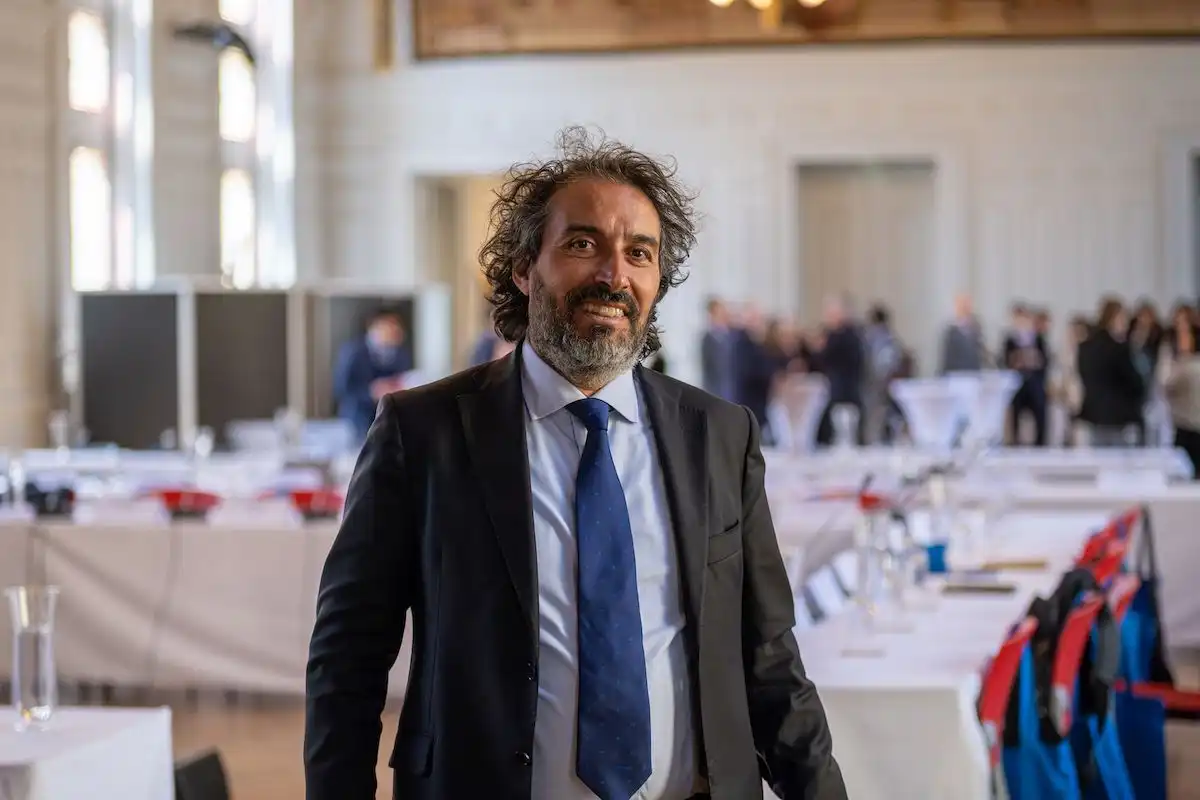
How can research help contemporary societies face increasing social and political challenges?
Like Sciences Po, Bocconi University believes that those challenges need to be addressed by scientists, and particularly by social scientists. This is a time when we need social sciences to raise the capital S of Science, through database, evidence, theory experiments… Secondly, we need to engage with policymakers and the public. Let’s take part.
How can universities best prepare their graduates to face our ever-changing world?
Universities have to look at the long term. We cannot train students for a specific job, we have to look further, for the jobs will change. Graduates must combine two types of skills: a strong analytical and scientific training, which makes learning easier later in life, and social/emotional skills, those skills come through campus life, teamwork, debates. Graduates need them to navigate the next 50 years of their careers, before having to study again.
What is the relationship between your university and Sciences Po?
Bocconi University and Sciences Po have maintained a 30-year-old relationship. This is quite a rich and mature relationship: from our first student exchanges to the launch of dual degrees programmes and of our European alliance, CIVICA. We are also alike in our graduate campuses that are in the centre of the city, which is quite rare for Paris like Milano. I feel just at home rue Saint-Guillaume.
What are the main challenges facing universities in our contemporary world?
In Japan, universities are facing three challenges: the emergence of AI, innovative research with an impact on society, and public trust.
How can research help contemporary societies face increasing social and political challenges?
Critical thinking, questioning what is known as standard, is the main part of research. Researchers are not here to produce one united theory but a possibility of diverse solutions to meet social needs. The focus should not only be on the economic policies, welfare issues are just as important, to sustain the quality of living of those who need support. At Keio University, we also support research on arts, literature, philosophy, subjects that can be mentally healing and help face the real-world challenges. To do so, our researchers should not confide themselves to our campus, they need to keep reaching out to the rest of the world.
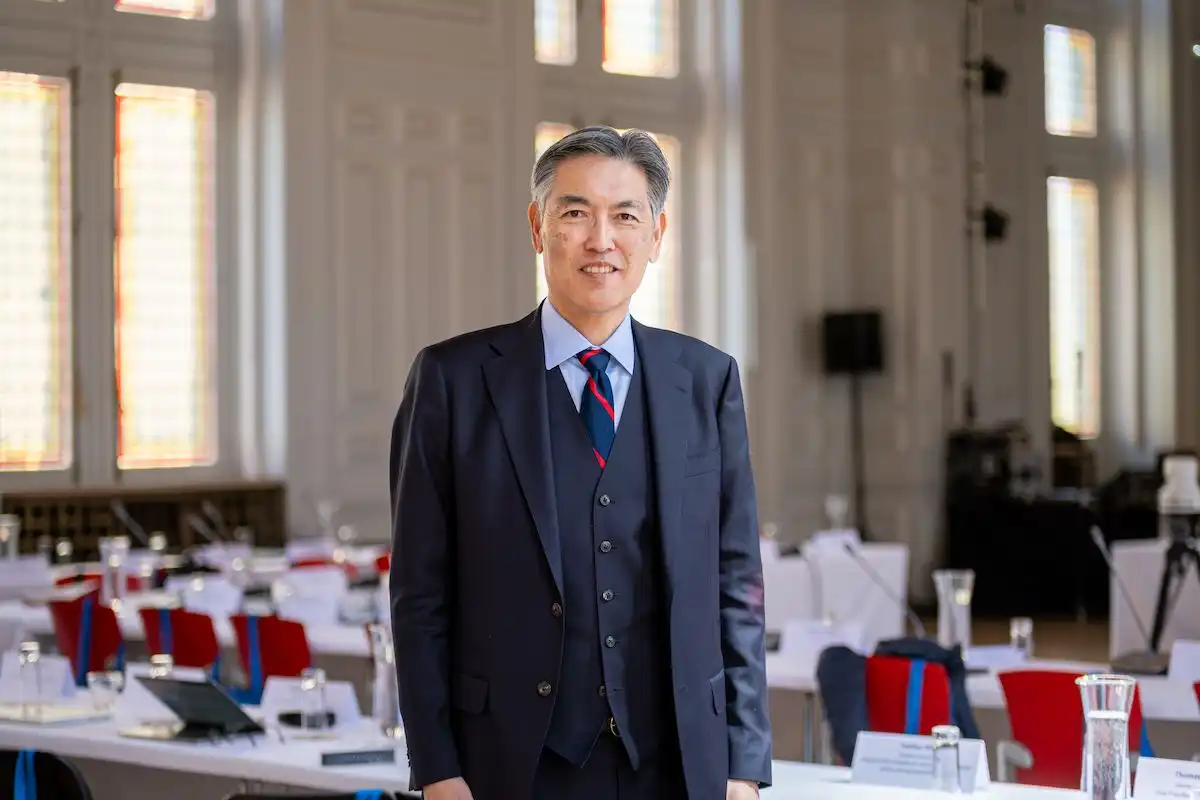
How can universities best prepare their graduates to face our ever-changing world?
Nowadays, AI is better than human being on answering questions that have definite answers. But to tackle on issues with no definite answers, such as diplomatic topics, humans will stay relevant. Society is based on human interactions, and I believe we need human abilities, as a collective, to solve unsolvable needs that do not have one unique answer. We need to make students realise that they are more unsolvable challenges in the world than questions with definite answers. Our students should be prepared to tackle challenges that have no clear path of solving.
What is the relationship between your university and Sciences Po?
We started our first student exchanges with Sciences Po in 1987, almost forty years ago. We hosted and sent hundreds of students since then. We have also been exploring our partnership through different dual degree programmes and a tailored Spring short-term programme at Sciences Po.
What are the main challenges facing universities in our contemporary world?
We are finding ourselves in a place where universities are challenged firstly by the technological revolution that is happening. AI, machine learning, quantum computing are disruptive on so many levels: teaching, research, innovation work, manufacturing, ethics… In terms of preparing the future workforce, we have to make sure they are comfortable with AI, that they can use it responsibly and safely, and that AI becomes beneficial without taking away the intellectual rigour we promote.
The second thing disruptive issue is climate change. Universities need to address the international and geographical climate shifts by helping decision makers navigate them and respond to climate shocks. We are aware that this is not a long-term issue, it's very much current and imminent, the young people we train are concerned about the kind of world we are building for them.
The third major disruptor, connected to the social fabric of society, is how fractured and polarised our society is, at a local, regional, national level, and global level. Geopolitics are just the manifestation of those fractures, and in some ways, also a cause and an exacerbating factor. Mistrust of science, climate change, technology… are all intertwined and lead to the question of what role we should be playing as universities. Are we doing enough? Should we reposition ourselves? If we don't think about how to better contribute to the world, how will our graduates?
We actually want a more direct engagement with society and to ensure that we have legitimacy in society, by helping deal with or solve the complexities of our current world.

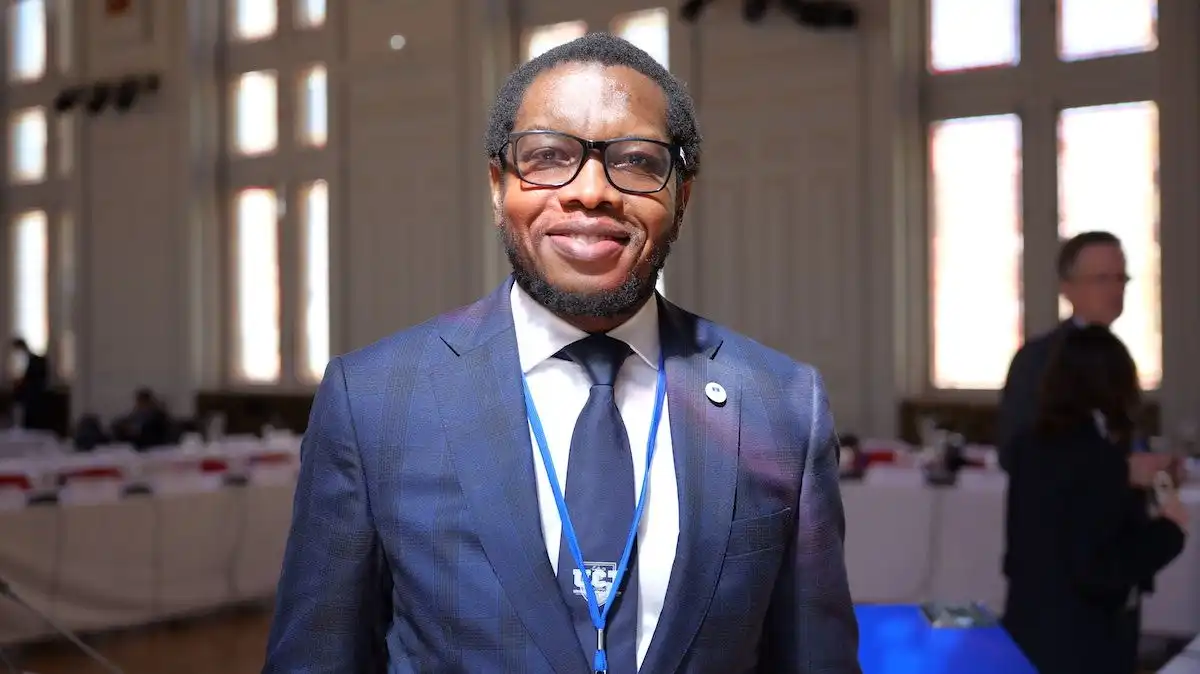
How can research help contemporary societies face increasing social and political challenges?
It’s a challenging question in the sense that research at the University of Cape Town (UCT) is generally done in the context of academic freedom. People choose what they want to research, but, at the same time, if there is some national or global priorities, how can universities respond to them? There is a need to emphasise mission-driven and more applied research, to solve real-world problems. Also, the problems are so complex that a multidisciplinary lens is needed to study them and come up with solutions. Another challenge is that the time of research is often the medium to long term, when decision makers actually need an immediate answer. Research universities need to learn how to leverage the existing evidence to provide a basis for decisions that need to be made, without giving up on the long-term problems.
We have to actively engage in translating, innovating, co-creating with others actors. Getting out of our comfort zone to work with stakeholders, communities, governments, businesses requires a bit of diplomacy and trade-offs. Translating the work we are doing will lead to scale and impact in society.
Scientists cannot engage in policy, the media, in communicating science only when there is a major crisis like Covid. Although it does demonstrate the need and the hunger in society for experts to speak of what they know, to provide guidance based on evidence. Because we are operating in a world where there is a lot of misinformation and mistrust of science, we need to bring back the availability and open engagement of the experts at the grassroots level, with the public.
How can universities best prepare their graduates to face our ever-changing world?
One of the things I often speak to my students about is the fact that we are preparing them for a world that we ourselves have not yet experienced. But we somehow need to equip them to navigate that world. A future-oriented approach would be imagining what the world would look like in 20, 30 years. For example, to navigate a polarised and fractured world, our students should be equipped with diplomatic, social sciences and humanities skills. Universities should model those scenarios and envision what the world is going to look in terms of climate, technology, social fabric, economics, etc.
What is the relationship between your university and Sciences Po?
The cooperation between UCT and Sciences Po began in 1997, almost thirty years ago. Our nearly three decades of collaboration have matured over the years. What started with some student and academic exchanges reached a point where we launched dual degrees. Achieving this level of commitment to a partnership means recognising your partner as a valuable institution to send your students, sharing their reputation, positive or negative. Some academic and technical relationships are really tight, like the one between our Nelson Mandela School of Public Governance and the Paris School of International Affairs (PSIA), as well as the one between our African Centre for Cities and the Urban School.
We reached a point where I can say with trust and confidence that Sciences Po and UCT are strategic partners at an institutional level. When I get a call from Sciences Po, I take it seriously.
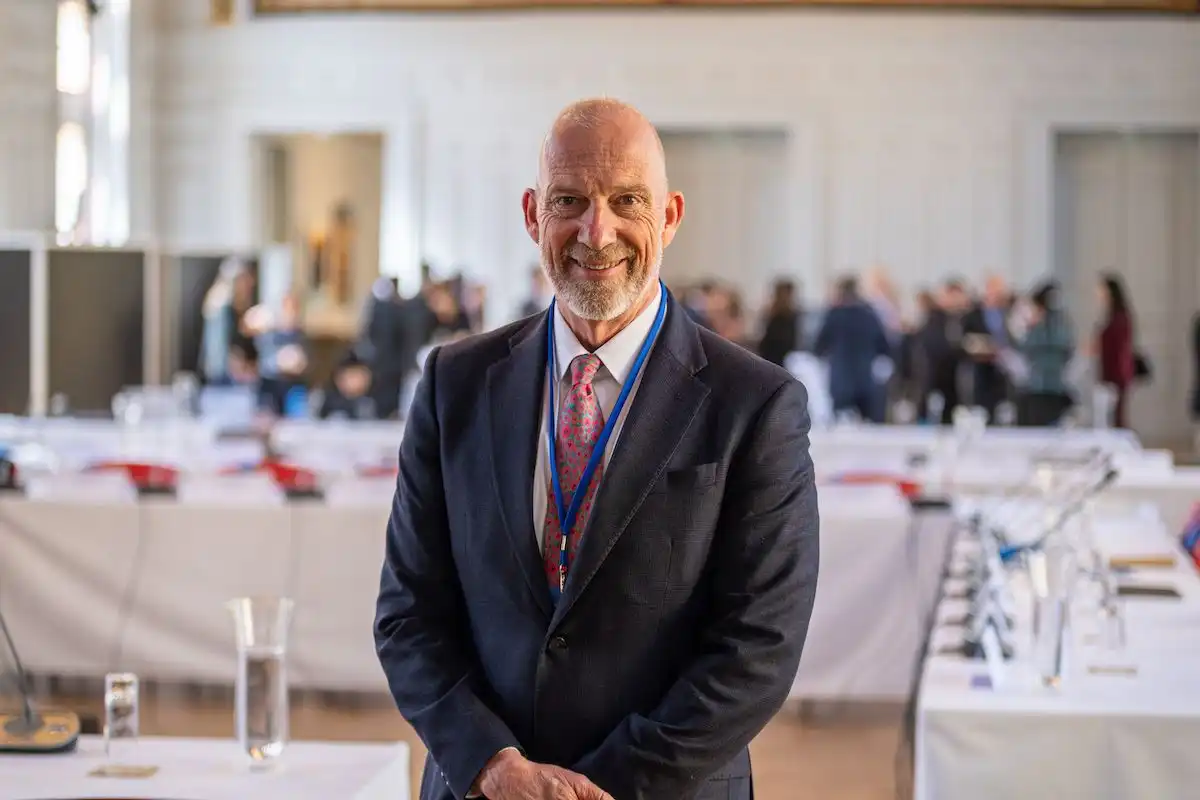
What are the main challenges facing universities in our contemporary world?
Our position is interesting right now: universities are at the same time highly criticised and among the most trusted institutions in our society. I believe those two elements to be connected. Nowadays, universities engage with a much broader section of society, and are expected to take care of their students' careers and mental health while finding answers to global challenges and being engines of innovation and economic production.
Universities are keen to take on those new social roles, but they cannot meet all those competing expectations. Universities need to have an honest and public conversation about what they are good for, what they can do, and what they can’t do.
How can research help contemporary societies face increasing social and political challenges?
Taking into account, just for example, the commercialisation of our research: in the last five years research at University College London (UCL) has attracted about three billion pounds worth of inward investment. We’ve had four NASDAQ listings of companies spin out from UCL. Just our student start-ups alone, not counting our university spin-out companies, employ around 2,500 people. A recent study showed that the economic impact of the UCL activity was almost 10 billion pounds a year, meaning that we add value to the UK economy every year. So our research does provide solutions to some of the challenges that society is facing (health, climate change, inequality, cross-cultural understandings, etc.) and is also, purely in economic terms, a great engine of growth.
Our difficulty is communicating that tremendous social impact to the community. For example, we have developed a cure for a particular kind of hemophilia, but it’s not primarily viewed as a contribution made by the university as a whole.
How can universities best prepare their graduates to face our ever-changing world?
Before I was president of UCL, I was President of the University of Sydney. We worked on this question with employers, governments, the academic literature, students, and parents across a range of countries: what we wanted to find out was what kind of education would best prepare students for life after the fourth Industrial Revolution.
They all came back with the same answer: we had to focus not specific technical skills, because those we train today are likely to be outdated tomorrow, but core skills – critical thinking, the capacity to work in groups to solve problems, an international perspective, a deep understanding of a discipline, and the ability to work in multidisciplinary teams.
It was a bit "Back to the future”: basic cognitive and social skills are what people think will be needed to survive the future. Many said the people they were most interested in employing were philosophers because of their flexibility of mind. The question is: how will you be the person who tells the machine what to do, not the one replaced by it? That requires higher-order skills, especially thinking about values and making choices.
What is the relationship between your university and Sciences Po?
UCL’s approach to international engagement is to select a small group of universities with which to develop partnerships, and Sciences Po is one of them. Not only do we have a shared degree programme, but we share a similar ethos of critical thinking for public service, engaging in public dialogue and involving the broader community.
One of the things we are working on at the moment is how to teach students and academic staff to disagree well, around difference and in constructive ways. We know this is a theme of a lot of work at Sciences Po as well, and we are excited to take that conversation forward together across cultures.
An alliance to respond collectively and officially to global challenges
Launched by Sciences Po in June 2019, the U7+ Alliance is the first international coalition of university presidents, bringing together 48 universities from 19 countries, which represents over 2 million students. The Alliance aims to identify concrete actions to collectively address major global challenges, in coordination with the leaders from G7 countries and beyond. Since its foundation, the three strategic priorities of U7+ have remained: fostering robust democracies, addressing planetary priorities, and deepening its multilateral engagement.
In a major milestone, the U7+ Alliance was recognised this year as an official G7 engagement group, representing the higher education sector alongside 11 other engagement groups.
What's next for U7+?
The Student Challenge will take place in May in Ghana, with 42 students from 11 different countries working in teams to demonstrate that university is not a detached observer of global change, but an active and indispensable contributor to both local and global resilience and growth.
Open house days 2026
Virtual Undergraduate Open House day 2026
Join us on Saturday, 28 November 2026, to discover our bachelor’s programme, our dual degrees and the first-year admissions process.
Virtual Graduate Open House day 2026
Join us on Saturday, 17 October 2026, to discover our 30+ master’s programmes across our eight professional schools, as well as the admissions process.