

Home>Certification in Gender Studies 2026: Graduate Testimonials


16 July 2026
Certification in Gender Studies 2026: Graduate Testimonials
Every year, Sciences Po’s Gender Studies Programme awards the Advanced Certification in Gender Studies to students with a solid grounding in gender studies. In 2026, 47 graduates were awarded their Master’s degree alongside this Certification. Some of them have agreed to share key moments of their academic journey and their aspirations for the future: read their testimonials.
Aissatou Tagaty Badio, Master in Human Rights and Humanitarian Action, Paris School of International Affairs (PSIA)


My goal was to build a career advising on gender-responsive policies and programming, particularly in African contexts. I pursued the certification to deepen my expertise in gender issues while gaining a formal qualification to be able to sharpen my gender expertise.
Paula Braungart, Master in International Development, Paris School of International Affairs (PSIA)

In seeking to understand and address global inequalities, I have come to see gender as a structural dimension that cuts across them, with women and girls being affected by all forms of crises and inequalities in distinct and disproportionate ways. I therefore believe that sustainable development cannot be achieved without addressing the deep-rooted gendered norms and power structures that shape people’s lives unequally.
Anouk Fauré, Master in Human Rights and Humanitarian Action, Paris School of International Affairs (PSIA)

I was introduced to gender studies during my bachelor’s degree, first through a course on gender sociology, and then during my exchange year at the University of Oslo, where I was able to explore what gender studies entails across various fields of social science (such as anthropology, international law, and political science). I quickly became fascinated by this field of study, and when I chose my master’s degree in human rights and humanitarian action, it was clear to me that gender studies should remain part of my journey. It provides the tools, concepts, and analytical frameworks essential for understanding the many issues and dynamics at the heart of these two fields that are human rights and humanitarian action.
Éléonore Thibaud, Master in International Security, Paris School of International Affairs (PSIA)

Since my Bachelor’s degree, my focus has always gravitated toward gender equality and human rights. Even though I wasn't formally specializing in gender studies at the time, I found myself channelling that passion into my coursework, writing almost all of my papers on women’s rights, resistance, and mobilisation.
Merle Thiel, Master in Human Rights and Humanitarian Action, Paris School of International Affairs (PSIA)

A key question that kept returning throughout my studies was how access to rights and resources is determined by intersecting forms of identity and experience, so pursuing this certification felt natural. As a formal recognition of expertise in the field of gender studies, it gave me the academic space to reflect, across different classes, on how power and oppression collide and discriminate against marginalised groups.
Tawfik El Badawy, Master in International Security, Paris School of International Affairs (PSIA)

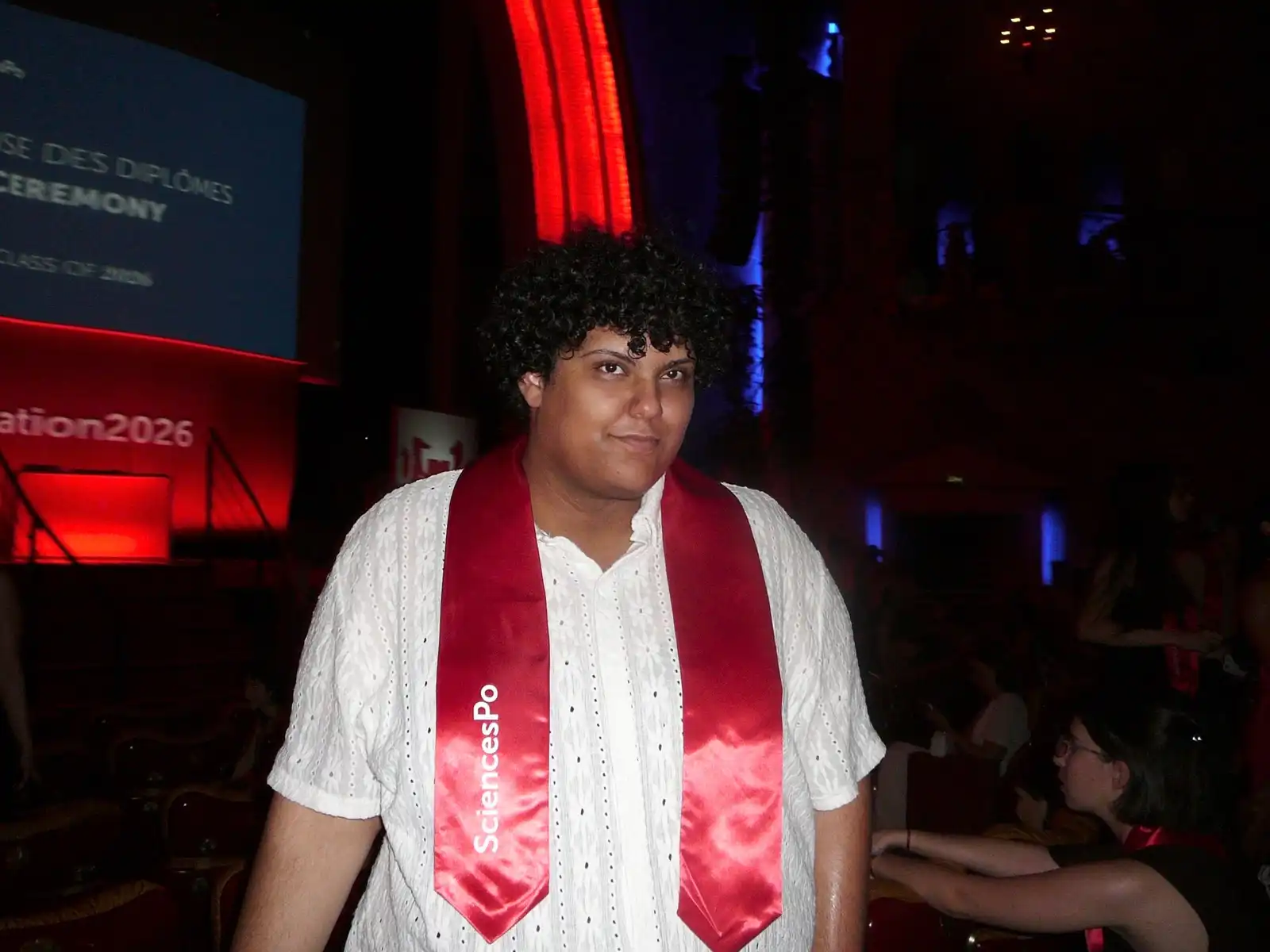
Sciences Po gave me the space to turn my lived experience into rigorous analysis. Pursuing the Advanced Certification alongside my Master's in International Security therefore felt like the natural next step. At a time when human rights are increasingly at risk, I wanted the tools to keep pushing a gender lens into spaces, like security and defence, where it is too often overlooked.
Alexine El-Chami, Master in Human Rights and Humanitarian Action, Paris School of International Affairs (PSIA)

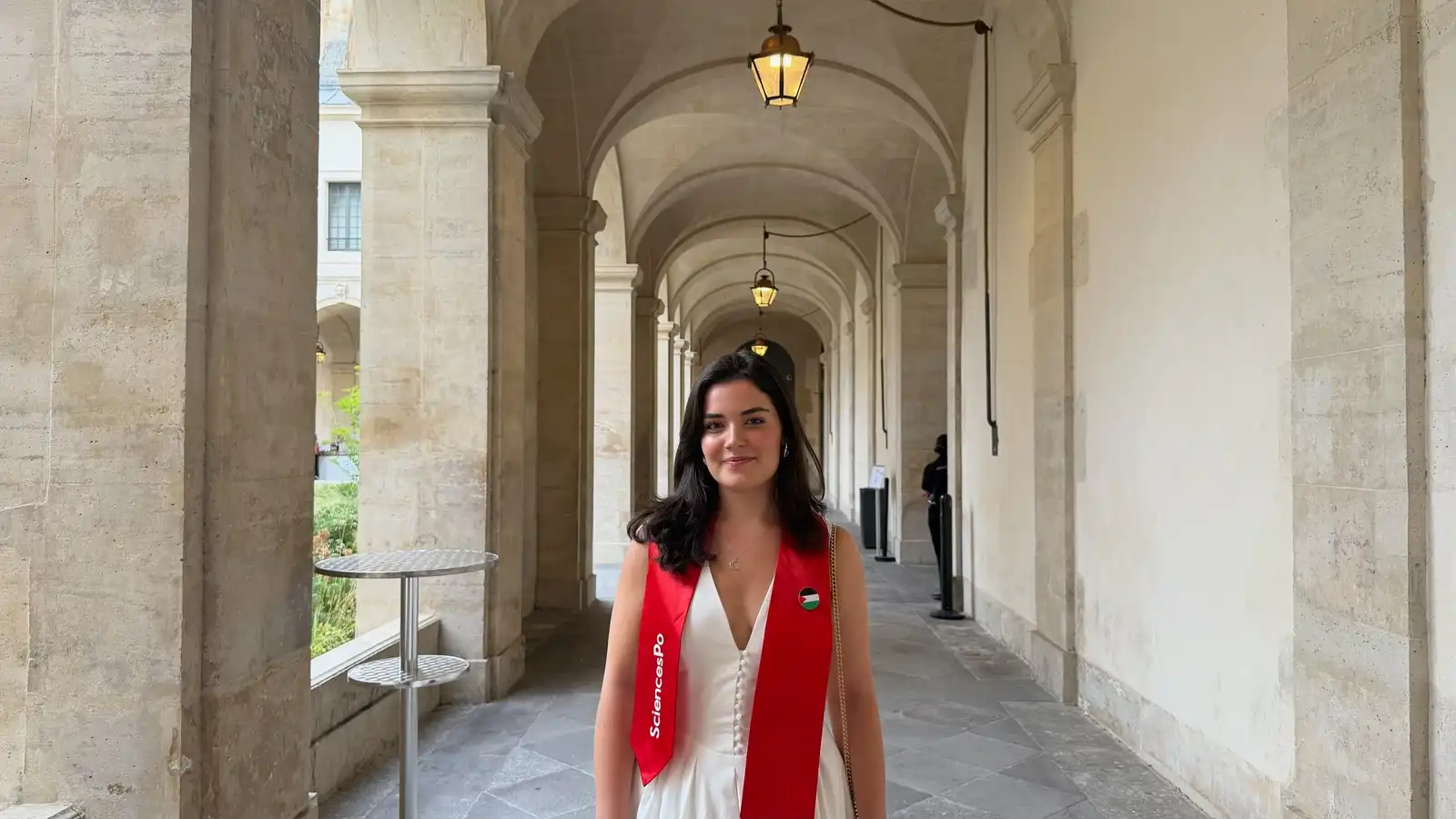
Shreya Parikh’s course Constructing and Contesting Gender in North Africa had a particularly strong impact on me. It was instrumental in helping me develop a more intersectional understanding of gender issues while grounding these reflections in a geographical area that I had not previously had the opportunity to study.
Marina Ródenas Abellán, Master in Human Rights and Humanitarian Action, Paris School of International Affairs (PSIA)

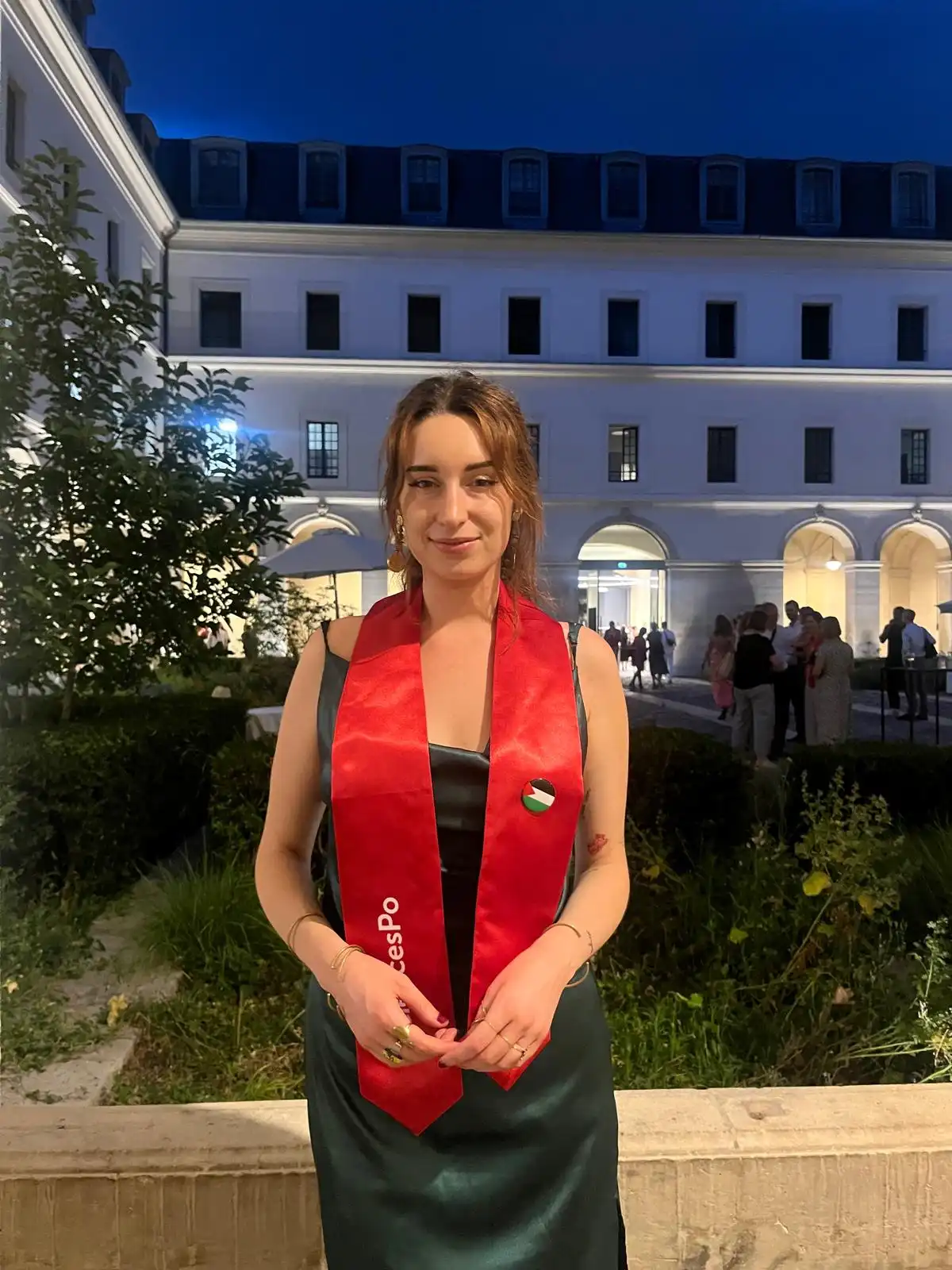
Gender justice has always been the direction guiding my academic, professional and personal path. The Advanced Certification in Gender Studies felt like the formal recognition of a commitment that has shaped my time at Sciences Po, my internship, and my career aspirations.
Mathilde Roubineau, Master in Public Policy, Social Policy and Social Innovation (School of Public Affairs)

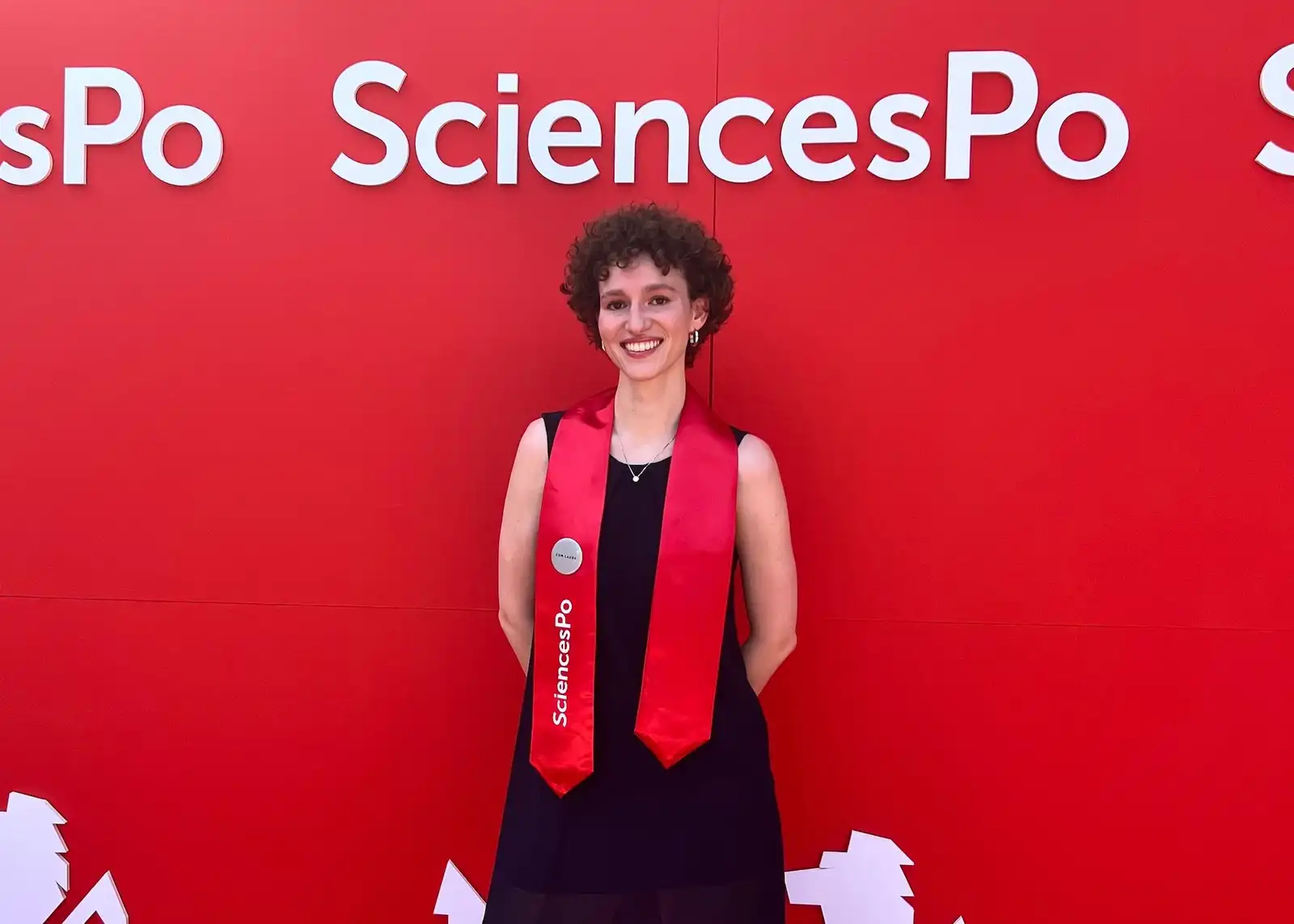
The course that left the strongest impression on me was "Gender and Social Policy," taught by Marta Dominguez-Folgueras. It gave me a comprehensive, comparative understanding of social policy, from the intersections between gender, violence, and migration, to the question of citizenship for sex workers in the Netherlands. This course taught me to critically question existing social reforms and explore alternatives, while deepening my understanding of how gender inequalities are embedded in our institutions.
Sofia Benčuriková, Master in Public Policy (School of Public Affairs)

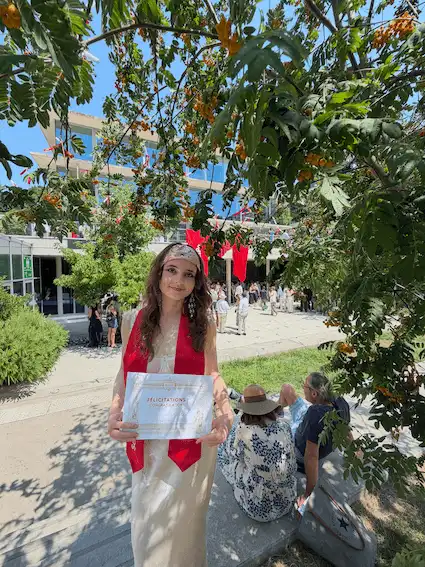
For me, it started back in high school in Slovakia, where at Model European Parliament I saw how easily gender equality got dismissed as a 'solved' issue even among young people. That experience deepened my commitment to the cause and ultimately motivated me to apply to Sciences Po, where I explored gender through law, history, and sociology during my bachelor’s. In my Master's, it felt like the natural next step to learn how to turn that knowledge into concrete solutions through policymaking.
Charlotte Marchand, Master in Human Rights and Humanitarian Action, Paris School of International Affairs (PSIA)

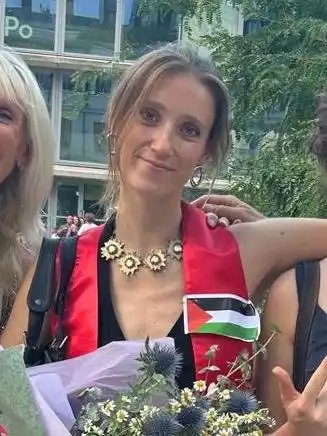
As I studied different human rights mechanisms, I realised that many of them are still gender-blind, overlooking the specific experiences of women and girls, and, at times, even reinforcing existing inequalities. I focused particularly on business and human rights, looking at the responsibility of companies to prevent human rights abuses throughout their supply chains. Women are over-concentrated in the lowest tiers of global supply chains, where the risks of exploitation and abuse are the highest. Yet many human rights due diligence processes fail to identify the harms that affect women specifically. Seeing this gap made me want to deepen my knowledge through the Advanced Certification in Gender Studies.
Patricia-Ștefana Însurățelu, Master in Political Science, School of Research

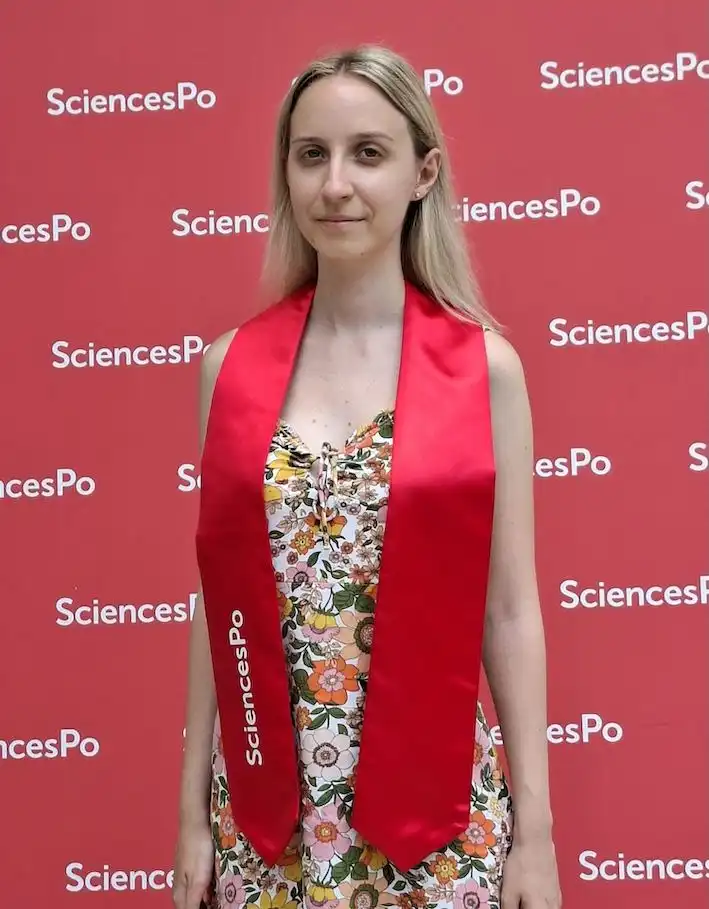
Growing up in a country marked by persistent discrimination and inequality shaped my commitment to contributing to more just and peaceful societies. After moving to France at the age of 18, I sought to translate these convictions into action through my studies, professional experiences, and volunteer work.
Pursuing the Advanced Certification in Gender Studies alongside my Master’s at the Sciences Po School of Research was therefore a natural extension of this path.
Ana Paula De Uriarte Quiroz, Master in International Development, Paris School of International Affairs (PSIA)

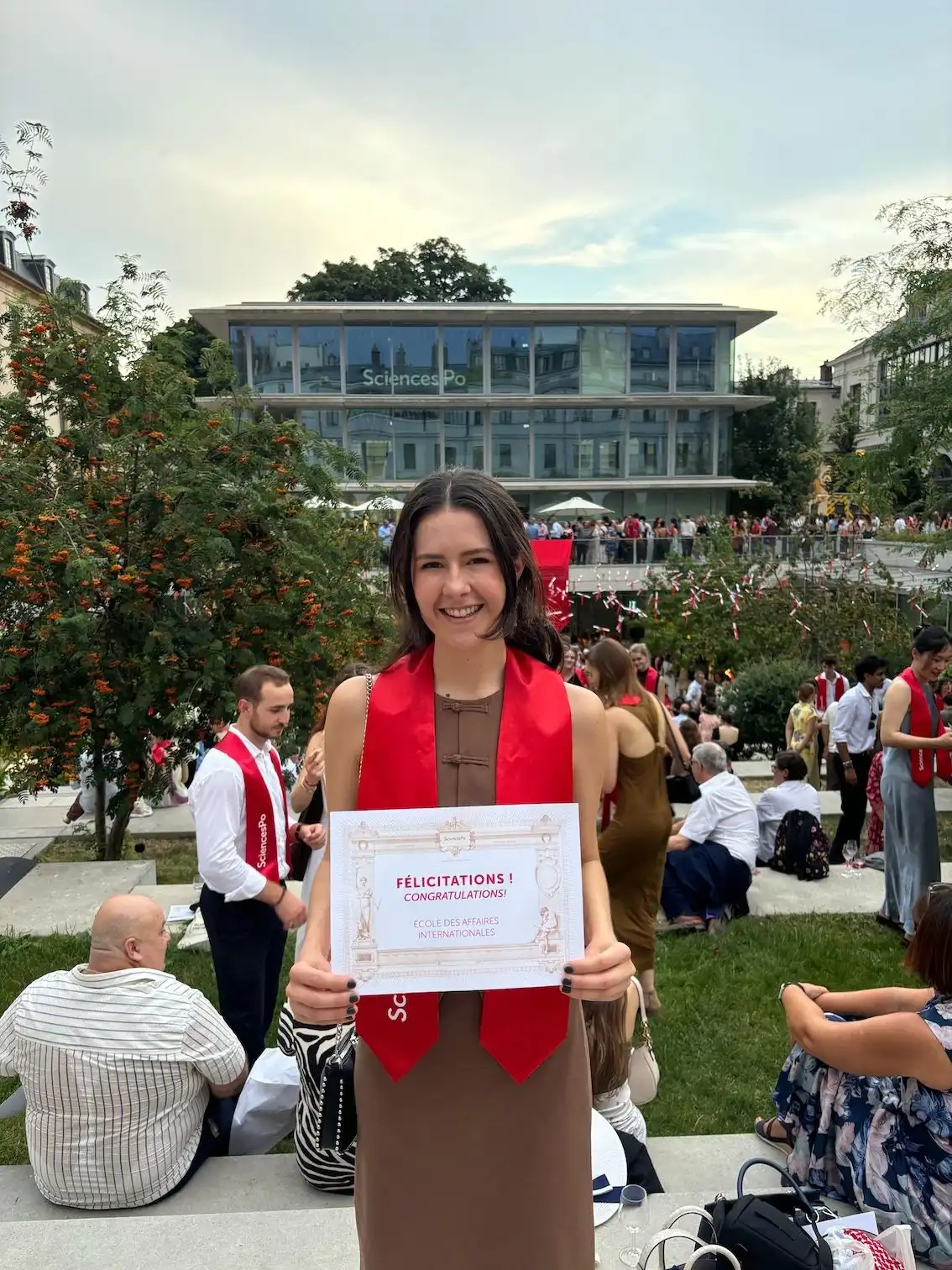
Gender has always been a topic that deeply interests me as I consider it an essential lens for imagining a more just world. The Advanced Certification gave me the opportunity to deepen that interest, engage with it academically, and strengthen the tools I hope to bring into different professional and social spaces.
Marine Tison, Master in Human Rights and Humanitarian Action, Paris School of International Affairs (PSIA)

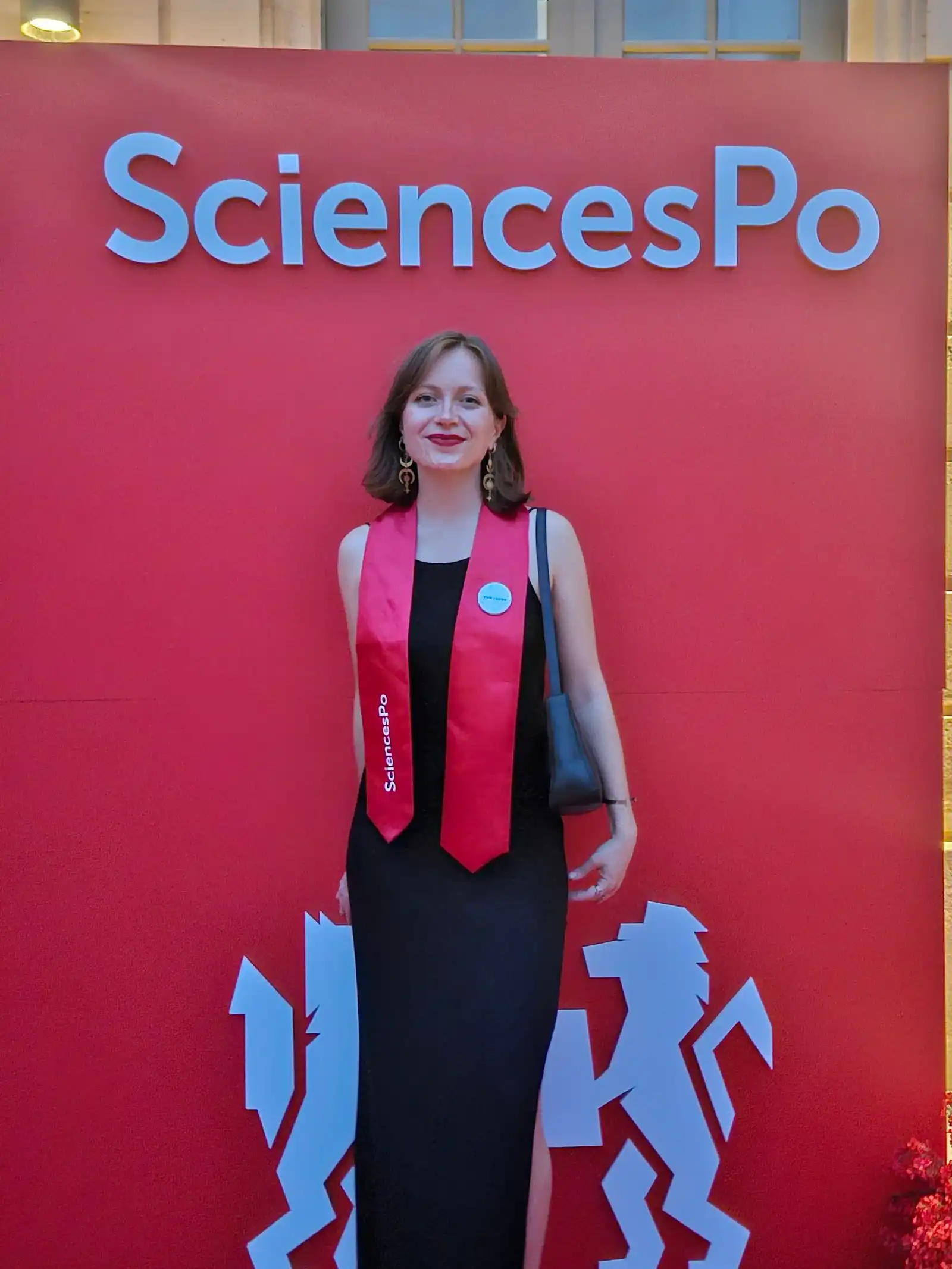
As part of my Grand Oral, I explored the integration of a gender perspective into public policies on student mental health. Indeed, gender – viewed through an intersectional lens – fundamentally influences the way in which individuals experience, express and respond to mental health issues. It is a fascinating subject to which I hope to contribute later in my career!