
Home>Lost in the green transition: a new ERC project led by Diane Bolet


4 June 2026
Lost in the green transition: a new ERC project led by Diane Bolet
Following the Paris Agreement in 2015 and the adoption of the European Green Deal in 2020, numerous climate policies have been adopted across Europe. However, some are contested, and in recent years a rollback has occurred in some fields, such as the agricultural transition and the decarbonisation of the automotive industry. How can this backlash be explained? How is it linked to feelings of social decline and support for radical right parties in Europe?
Answering these questions, which lie at the heart of Diane Bolet’s research project, will help contribute to an effective and just ecological transition.

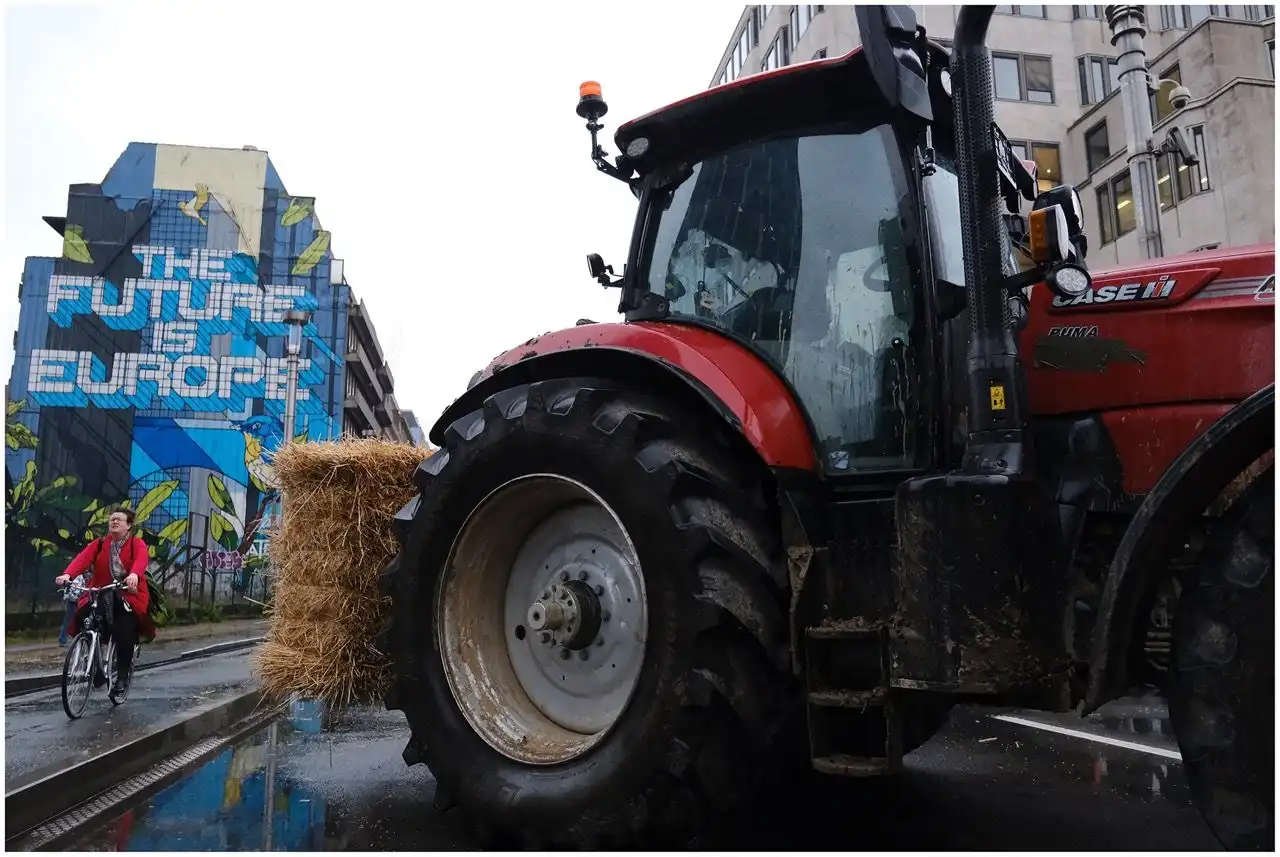
Diane has been awarded a prestigious grant from the European Research Council (ERC), securing five years’ funding to carry out this research across four European countries: France, Germany, Poland, and the United Kingdom. A postdoctoral position is currently available to join the project, entitled GREENLOSS - Lost in the Green Transition: Local Collective Greenloss Identity, Anti-Climate Attitudes and Radical Right Support.
“I am interested in communities linked to fossil fuels (coal mining, oil and gas industries), as well as farmers: how do they react to the adoption of stricter environmental regulations or policies? Indeed, whilst these bring long-term societal benefits, they are also likely to incur costs for the affected workers and communities. I am therefore seeking to understand in which cases they trigger a backlash (in this instance, a ‘greenlash’).”


Another phenomenon that needs explaining is the increased electoral support for the far right in communities heavily affected by climate policies.
“The mechanisms behind this phenomenon remain poorly understood. They may be linked to local economic losses, but also to more symbolic factors, such as a sense of social decline or loss of social status. I hypothesise that these factors contribute to a strong collective identity within the affected communities, which I have chosen to call ‘greenloss identity’.
It is also important to consider the role of other actors such as fossil fuel companies, trade unions and local political figures.
Finally, we need to understand why the far right derives particular benefit from this ‘greenloss’ identity, and which public policies—particularly those relating to a ‘just transition’—could mitigate these effects in affected localities.”
A study published in 2023 by Diane Bolet and two other colleagues provides some initial insights. In Spain, a “just transition agreement” aimed at phasing out coal, negotiated by the ruling Socialist Party (PSOE) government with the trade unions and affected companies, resulted in an increase in votes for that party in the subsequent local elections in the municipalities concerned.
To address these questions, the project aims to:
- identify the losers of climate policies and analyse the formation and variations of their greenloss identity across industries and locations;
- assess the impact of greenloss identity on opposition to climate policies and support for radical right parties;
- analyse how radical right parties activate this greenloss identity in their rhetoric and test which aspect(s) of this identity drives support for climate policies.
To this end, GREENLOSS will combine qualitative methods (interviews, focus groups, etc.) and quantitative methods (surveys, computational text analysis, etc.)
A political scientist, Diane Bolet specialises in electoral behaviour, public opinion, and territorial and climate public policies in Europe. Her research aims to understand how communities respond to structural changes, such as globalisation, rising immigration, or the green transition. Her work has been published in journals such as the American Political Science Review, the European Journal of Political Research and the British Journal of Political Science.
Before joining Sciences Po and the CEE as an Assistant Professor in 2025, she held similar positions at the universities of Durham and Essex in the United Kingdom.
ERC Starting Grants are awarded to early-career researchers of any nationality with two to seven years of experience since completion of the PhD (or equivalent degree) and a scientific track record showing great promise.