
Home>Veronica, Project Assistant, UNESCO
17 June 2026
Veronica, Project Assistant, UNESCO

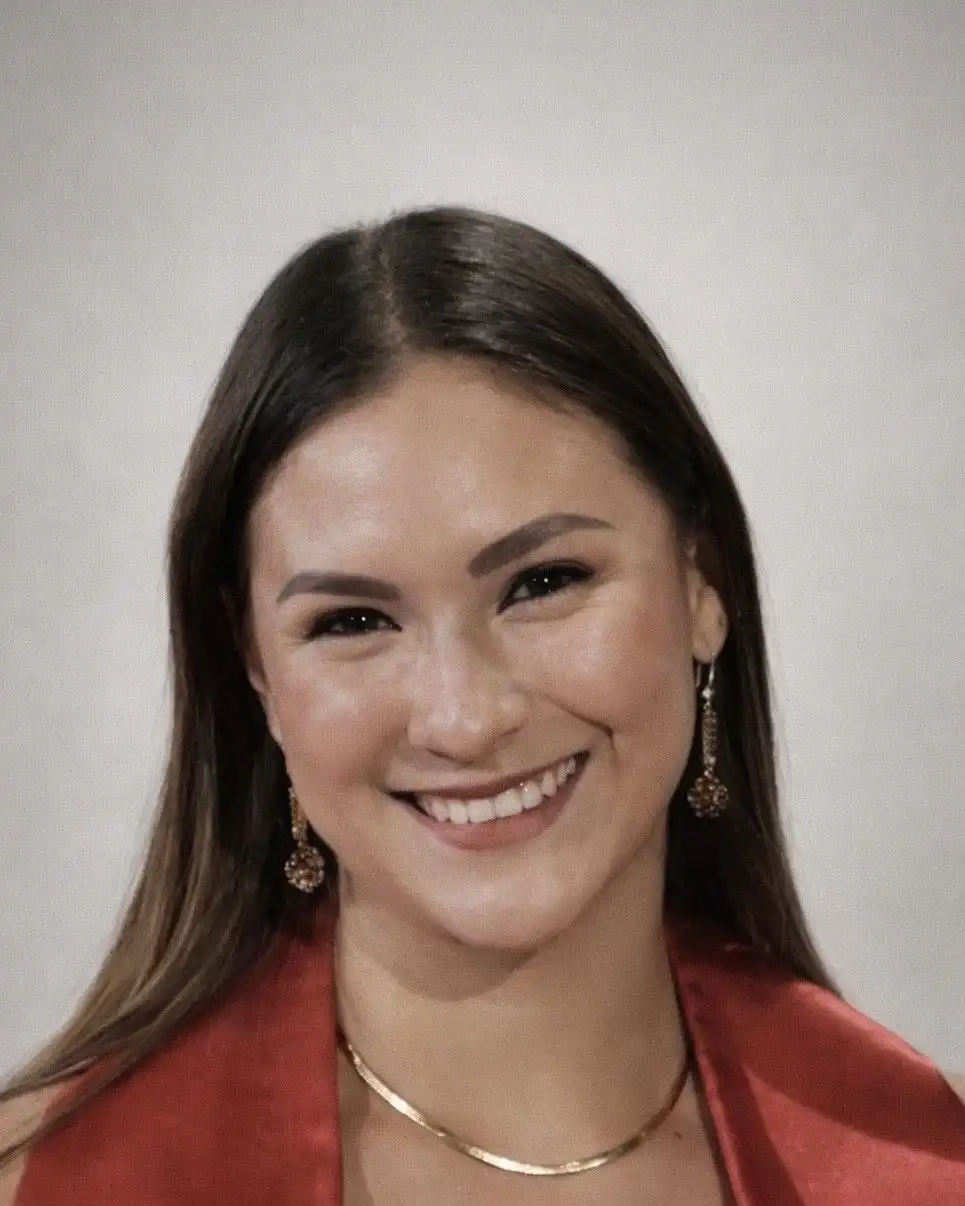
Veronica has graduated in International Economic Policy. During her second year, she participated in the selective “apprenticeship track” which allows students to spend their 2nd year of Master's between work and school. Coming from Mexico, she works as a programme Assistant at UNESCO, specifically in the Ethics of Artificial Intelligence (AI).
What are your main responsibilities?
I work within the Social and Human Sciences Sector at UNESCO, specifically in the Ethics of Artificial Intelligence (AI) team. My role as a Project Assistant sits at the intersection of programme coordination, stakeholder engagement and operational support. In this context, I contribute to the implementation of UNESCO’s Recommendation on the Ethics of AI through a range of projects and initiatives. In particular, I support the deployment of UNESCO’s Readiness Assessment Methodology (RAM) across different countries, as well as its follow-up activities related to AI governance, aimed at supporting Member States in implementing the Recommendation. In many ways, I act as a bridge between UNESCO’s internal processes and the project officers leading the implementation of these initiatives, helping ensure their smooth coordination and delivery.
How did you prepare for this job?
After graduating from Sciences Po, I joined UNESCO for a six-month internship in the Sport Section. This experience gave me my first real exposure to an environment I had long aimed to be part of. I approached this experience very intentionally. I took the time to connect with colleagues across different teams and to understand how the organization works beyond my immediate role. I saw it as an opportunity to learn and to position myself for what could come next.
When a position opened in the Ethics of AI team, I applied with a clearer sense of direction. My previous experiences in diplomacy -at the Mexican Embassy in Paris and at Groupe FDJ-along with my academic background at PSIA, helped me build a strong profile in international policy. From there, it was a matter of dedicating time and effort to the recruitment process.
How did your PSIA experience contribute to the position you hold today?
Having completed both my Bachelor’s and Master’s at Sciences Po, my experience there really shaped the profile I have today. It gave me a strong academic foundation in international policy and diplomacy, while also allowing me to gain hands-on professional experience through internships and an apprenticeship year at Groupe FDJ, as part of the
first cohort of the programme at PSIA. At the same time, the international dimension of Sciences Po, especially my third year abroad in Colombia, made me comfortable working in multicultural environments, which is something I rely on a lot in my current role.
What advice would you give to current students?
Be kind to others and put your heart into what you do. As young professionals, work environments can seem intimidating, but in my experience, the way forward is often simpler than we think. People who are nice to work with and who put real intention into their work are often valued by their colleagues, and that naturally leads to more open doors, both professionally and personally.
Virtual Graduate Open House day, October 2025

On 17 October 2026: meet faculty members, students and representatives and learn more about our 30 Master's programmes.