
Home>Shreya, Durable Solutions Coordination Officer, IOM Afghanistan
28 May 2026
Shreya, Durable Solutions Coordination Officer, IOM Afghanistan

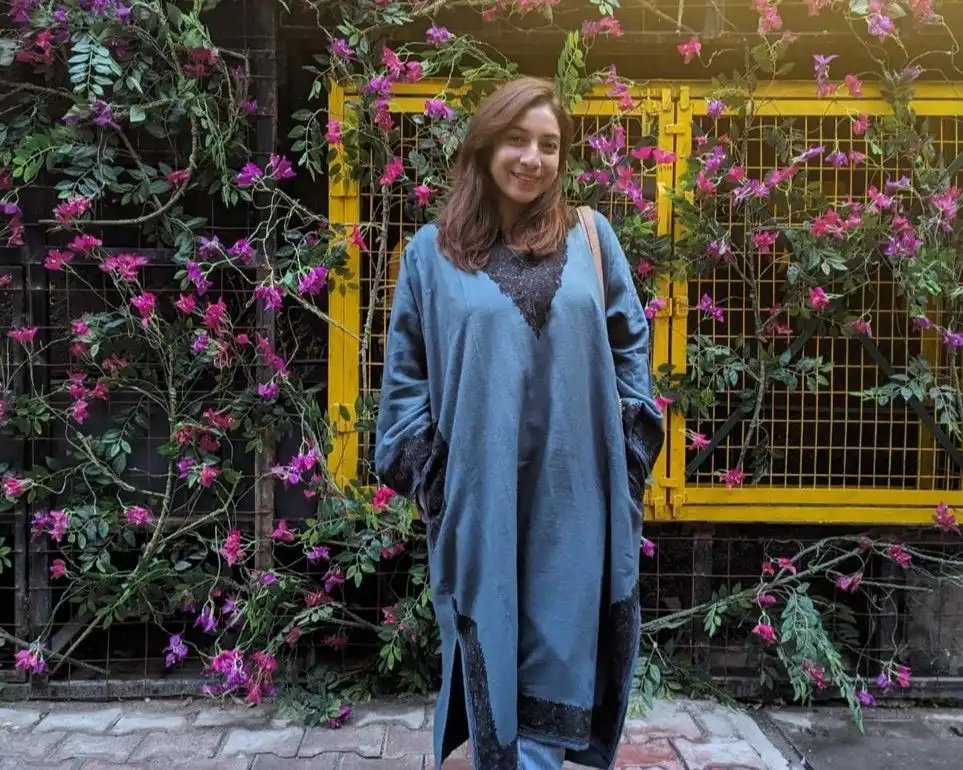
Coming from India, Shreya Mukhopadhyay has graduated in International Security. She works as Durable Solutions Coordination Officer at IOM in Afghanistan.
What are your main responsibilities?
In my current role as Durable Solutions Coordination Officer with IOM Afghanistan, including a secondment to the Durable Solutions Secretariat at the UN Resident Coordinator’s Office, I support strategic coordination to address protracted displacement and advance sustainable reintegration for returnees, IDPs, and displacement-affected communities.
My work spans the displacement and return continuum, from border and post-arrival contexts to areas of return, and focuses on cross-sectoral coordination, joint assessments, and area-based approaches. I regularly consolidate technical inputs, draft analytical and coordination products, support inter-agency working groups, and contribute to advocacy and resource mobilization.
How did you prepare for this job?
I prepared for this role through a combination of PSIA academic training, career support resources, and progressive professional experience across headquarters, regional, and field settings.
At PSIA, I made active use of career webinars, CV and cover-letter clinics, and career guidance resources, which were instrumental in helping me articulate my profile for international organizations and tailor applications to different types of roles, demystified recruitment processes in the UN system and helped me better understand how to position both academic and field-based experience.
Through PSIA events, alumni exchanges, and informal conversations, I was able to learn from practitioners already working in humanitarian, development, and coordination roles. Equally important was gaining experience across different institutional levels. While HQ and regional roles helped me understand policy frameworks, coordination architectures, and strategic planning processes, field experience was essential in translating and operationalizing the concepts learned during my master’s. Working close to affected populations and field teams grounded abstract frameworks in reality and strengthened my understanding of feasibility, constraints, and trade-offs.
What is the most fascinating part of your job?
The most fascinating part of my job is working at the intersection of policy, coordination, and lived experience. Durable solutions in Afghanistan are not linear or idealized; they are incremental, constrained, and deeply contextual. Being able to help frame realistic, protection-centred approaches that acknowledge these constraints, while still advancing dignity, choice, and reduced vulnerability, is both challenging and deeply meaningful.I find it particularly rewarding to contribute to collective processes where different actors align around shared analysis, rather than operating in silos.
How did your PSIA experience contribute to the position you hold today?
My experience at PSIA was central to shaping how I understand and approach displacement, recovery, and durable solutions today. While I pursued the International Security master’s, one of PSIA’s greatest strengths was the ability to draw on courses across different master’s programmes. This interdisciplinary flexibility allowed me to move beyond a traditional security lens and engage deeply with human security, development, humanitarian action, and governance. By combining courses from different streams, I developed a more holistic understanding of crisis contexts, where displacement is not only a protection or humanitarian issue, but also a structural, socio-economic, and political challenge. This intersectional academic exposure strongly shaped my interest in humanitarian-development-peace nexus programming that cut across sectors and timelines. PSIA also strengthened my ability to connect theory with practice. Concepts such as resilience, state–society relations, and conflict sensitivity now directly inform how I support area-based approaches, joint assessments, and coordination processes in Afghanistan.
What advice would you give to current students?
I would encourage current students to embrace complexity and uncertainty, especially if they are interested in working in fragile or crisis-affected contexts. Academic excellence matters, but so does curiosity, humility, and the willingness to learn from experience. Take advantage of PSIA’s diverse courses, faculty, and alumni network, and seek out opportunities—through internships, research, or gap years—that expose you to operational realities. Finally, remember that meaningful impact often comes from quiet, sustained work rather than visible titles or rapid progression. Patience and consistency matter.
Virtual Graduate Open House day, October 2025

On 17 October 2026: meet faculty members, students and representatives and learn more about our 30 Master's programmes.