
Home>PSIA students contribute to the Critical Digital Risks Workshop
20 April 2026
PSIA students contribute to the Critical Digital Risks Workshop
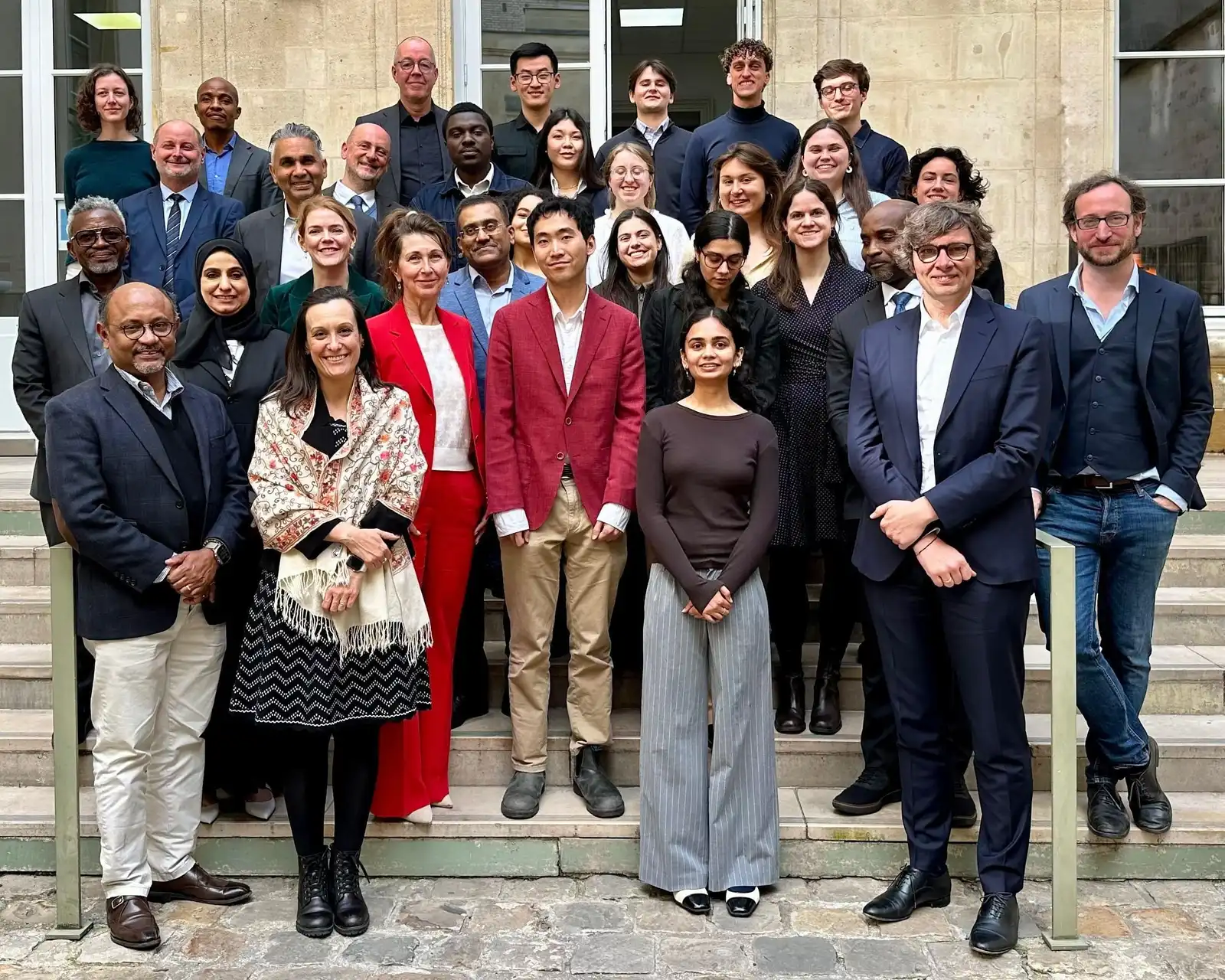
On 30–31 March, Sciences Po hosted the Critical Digital Risks Workshop, a milestone event concluding a multi‑stage expert engagement process led jointly by the Tech and Global Affairs Innovation Hub of the Paris School of International Affairs (PSIA), the International Telecommunication Union (ITU) and the United Nations Office for Disaster Risk Reduction (UNDRR).
Bringing together senior figures from international organisations, academia, the private sector and government, the workshop advanced a comprehensive framework to map digital infrastructure risks and develop actionable preparedness strategies for emerging global threats.

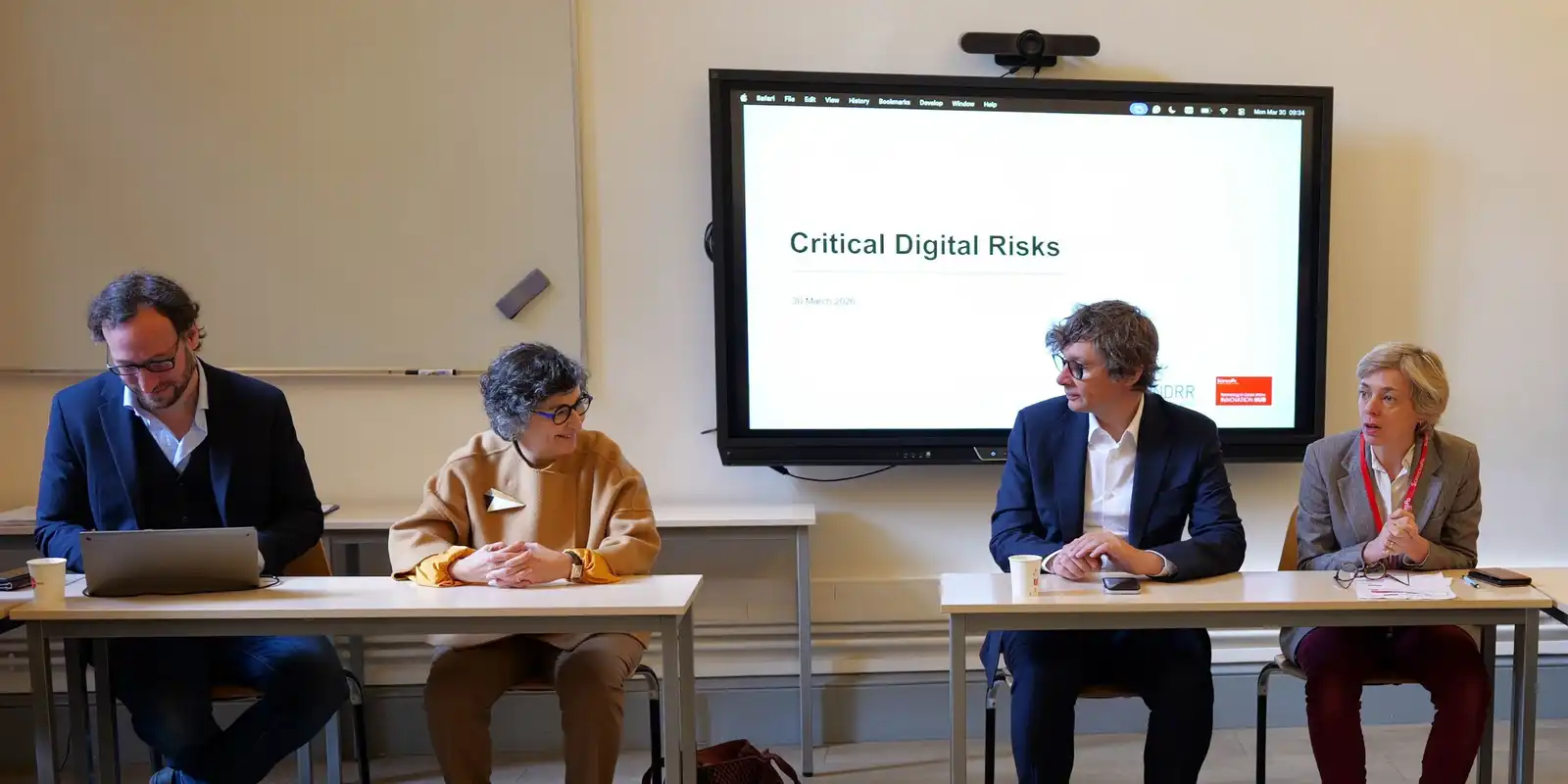
The high-level nature of the event was evident from the outset. The workshop opened with keynote remarks by Doreen Bogdan‑Martin, Secretary‑General of the ITU, and Kamal Kishore, Special Representative of the UN Secretary‑General for Disaster Risk Reduction and Head of UNDRR. Their interventions were followed by a conversation between Arancha González Laya, Dean of PSIA, and Tomas Lamanauskas, Deputy Secretary‑General of the ITU, setting the tone for two days of forward‑looking, multistakeholder dialogue.
A Deep Dive into Systemic Digital Risks
As societies become increasingly dependent on digital infrastructure, the workshop addressed a shared concern: many of the most consequential risks remain invisible until they trigger cascading disruptions across borders and sectors. Participants examined vulnerabilities ranging from submarine cable disruptions to satellite infrastructure risks and space debris, as well as the broader geopolitical and societal implications of digital fragility.
A central contribution came from Jan Verlin (affiliated with the CSO‑hosted CRISIS Lab), who presented a comprehensive review of existing literature on systemic digital risks. His analysis highlighted the limited attention given to systemic failures, the complexity of interdependent infrastructures, and the need for governance approaches that go beyond purely technical solutions.

Students at the Heart of the Process
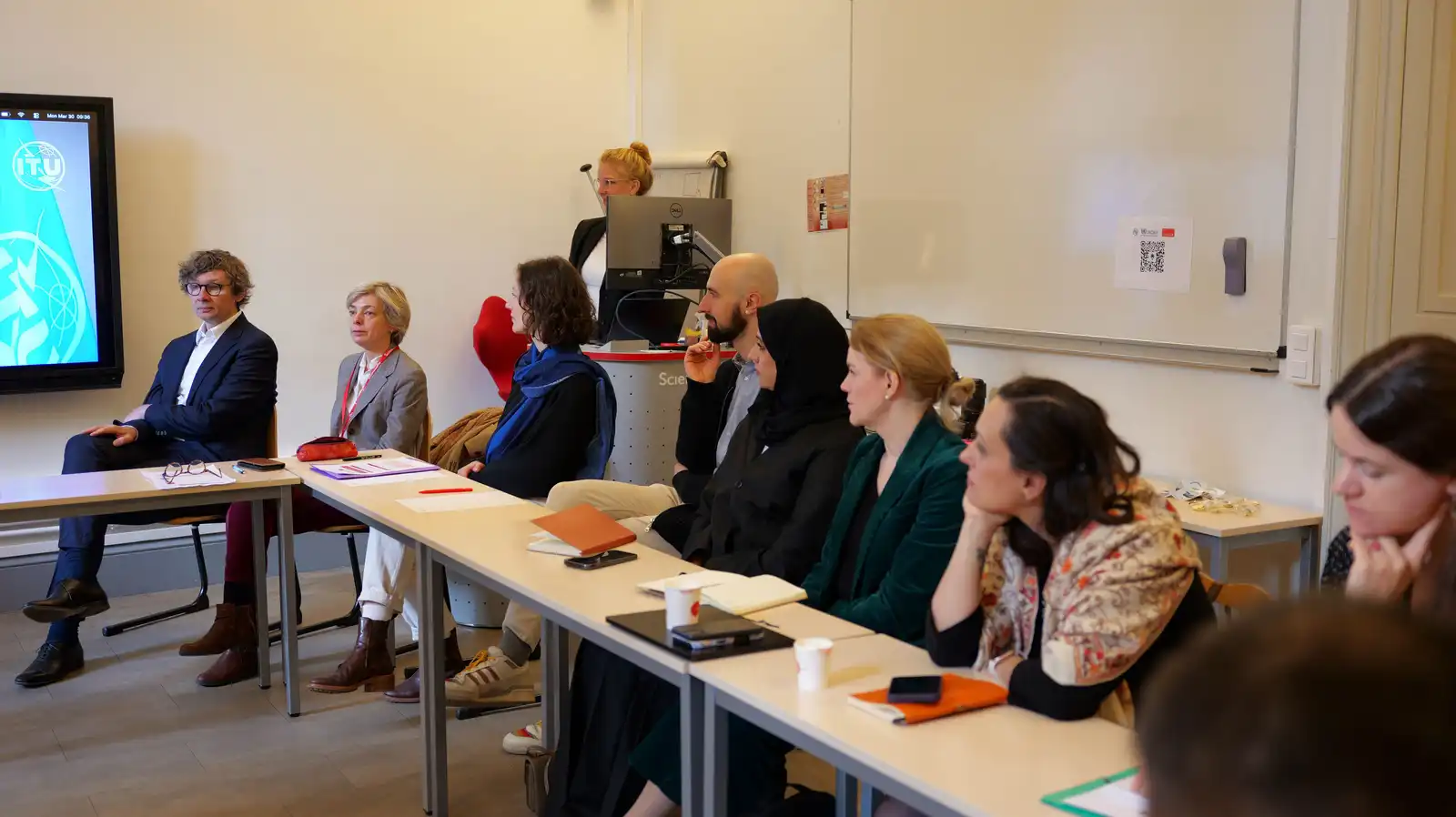
A distinctive feature of the workshop was the active involvement of PSIA students, particularly from the Master in Technology and Global Affairs and the concentration in Global Risks. Students worked closely with the research team to prepare analytical contributions that were presented directly to the expert panel.
In total, four groups of students, around fifteen participants, contributed to the project. Two groups assessed the socio‑economic impacts of large‑scale crises affecting digital infrastructures across international scenarios. Two additional groups focused on operationalising the expert group’s recommendations, translating high‑level policy proposals into concrete, implementable measures.
Tasked with identifying and structuring the potential consequences of major digital disruptions, students examined how policy recommendations could be applied in practice. Their presentations enriched the discussions, offering fresh perspectives and prompting immediate feedback from practitioners. This exchange not only broadened the conversation but also strengthened the link between academic analysis and real‑world application, an experience that will be reflected in the final report to be presented in Geneva next month.
Expert Insights and Multistakeholder Dialogue
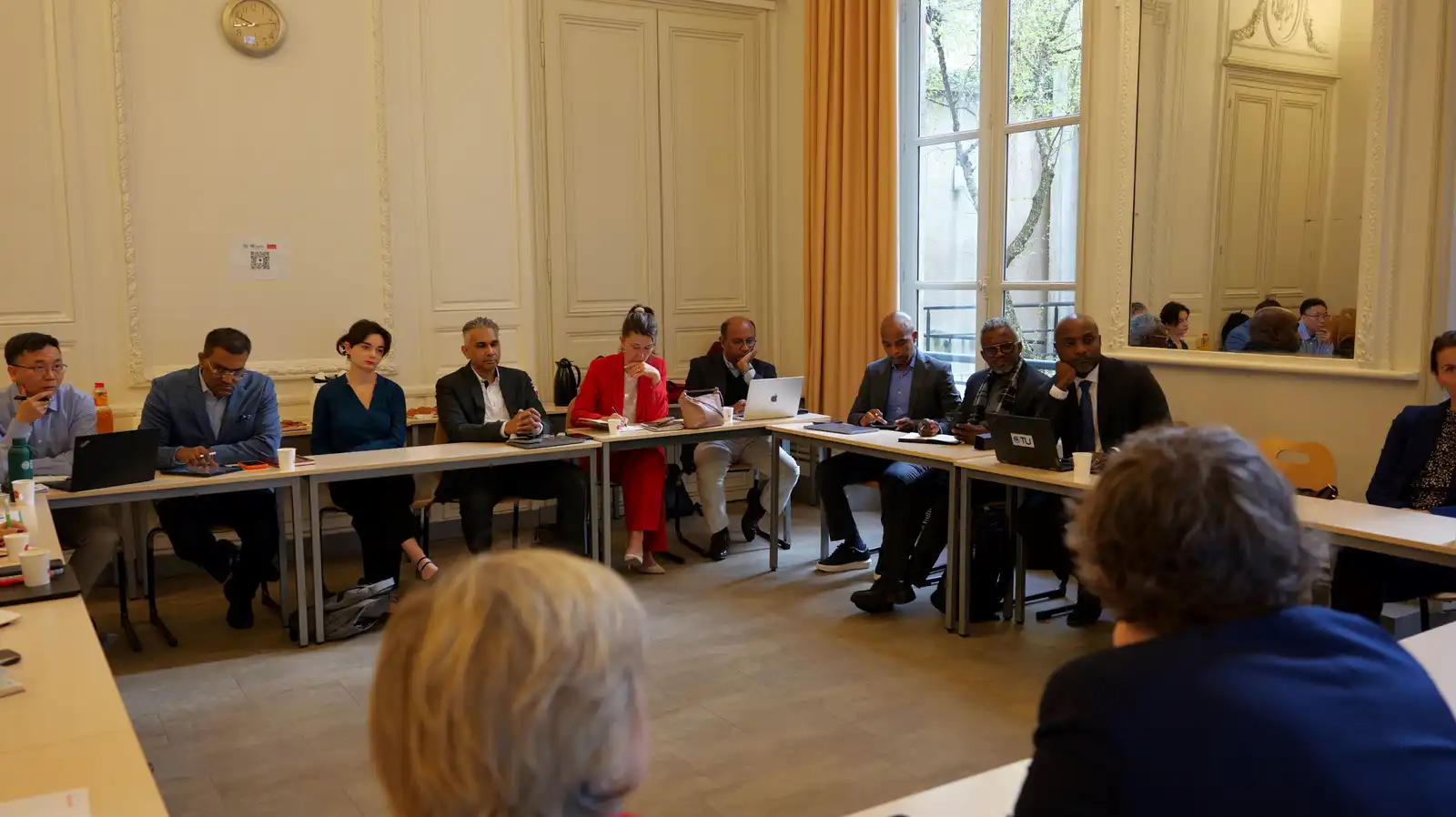
Throughout the workshop, invited experts provided deep dives into specific risk domains.
Andrés Fígoli (ITU) explored the fragility and geopolitical significance of submarine cable networks, a critical yet often overlooked component of global connectivity.
Jorge Ciccorossi (ITU) examined emerging risks linked to space debris and satellite infrastructure, highlighting the growing vulnerabilities of space‑based systems.
Professor Dr James Peter Burgess offered a broader perspective on the material and societal dimensions of critical infrastructure, emphasising the interconnected nature of digital and physical systems.
These contributions developed the collaborative scenario‑building exercises, during which participants worked through realistic simulations of compounding crises. Drawing on their diverse expertise and regional perspectives, they developed prioritised recommendations and identified points of convergence across scenarios.
Towards a High‑Level Global Report
The insights generated during the workshop will form the empirical and normative foundation of a high‑level report to be published in May 2026. This report will present validated compound scenarios and a prioritised framework for action, contributing to global efforts to strengthen resilience in the face of escalating digital risks.

Virtual Graduate Open House day, October 2025

On 17 October 2026: meet faculty members, students and representatives and learn more about our 30 Master's programmes.