
Home>Mary, Senior Analyst, Victorian Parliamentary Budget Office
19 February 2026
Mary, Senior Analyst, Victorian Parliamentary Budget Office

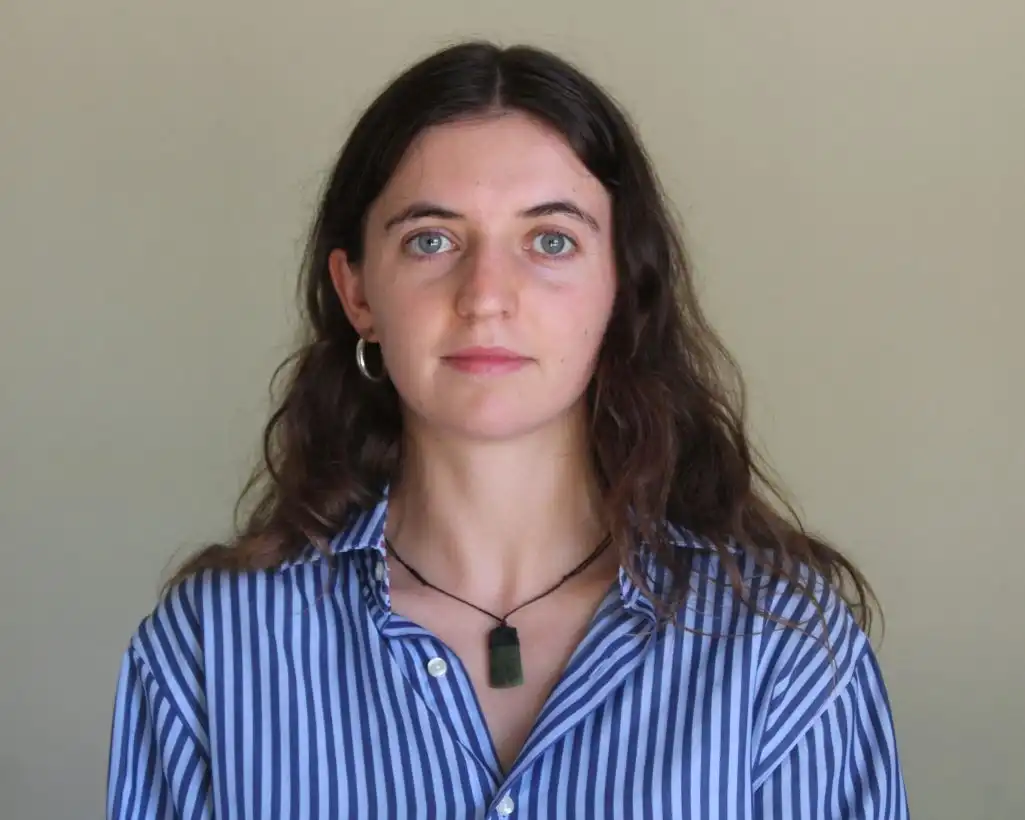
Mary Knowles has graduated in Environmental Policy. Coming from Ireland, she is Senior Analyst at the Victorian Parliamentary Budget Office, an independent office of Parliament in the state government of Victoria, Australia.
What are your main responsibilities?
The Victorian Parliamentary Budget Office (PBO) is an independent office of Parliament in the state government of Victoria (the state Melbourne is in). It is part of a global network of independent fiscal institutions and is like the USA’s Congressional Budget Office or the UK’s Office for Budget Responsibility.
My work involves providing advice and policy costings to MPs from all political parties, which means I’m always working across a broad range of policy areas. On any given day, I could be writing a report on renewable energy, providing information on the level of government debt, or calculating the cost of a policy to make public transport free. The role is highly analytical and focused on report writing - I have next to no admin or emails to deal with!
The PBO also plays an important role during election periods, when we cost each political party’s policy platform. This involves tracking commitments made by each party, costing individual policies, and determining the overall impact of each platform on the Victorian Government budget.
How did you prepare for this job?
I got this job through applying online and doing one interview. I had previous experience in the New Zealand Parliament working for a MP. I think what helped me get this job was having both qualitative and quantitative skills. Being comfortable working with both is a strong advantage.
What is the most fascinating part of your job?
I love this job because I get to work across a wide range of policy areas and see how they all interact with the government budget. Even though government finance isn’t obviously connected to environmental policy, it’s been fascinating to gain a broad overview of government decision-making, understand the trade-offs politicians must make, and see the fiscal implications of different types of policies.
It’s also interesting working with MPs across the entire political spectrum. In a government department, you’re typically working on policies for the government of the day. At the PBO, I’m exposed to the priorities of many different political parties and can see how they develop a policy platform in the lead-up to an election.
How did your PSIA experience contribute to the position you hold today?
My concentrations were Global Economy and Research Methods, which helped me build the quantitative skills that contributed to me getting this job. Two standout classes I took at PSIA were Critical Political Ecology of Water with Julie Trottier and Sovereign Debt Management with Raul Alcaide Alonso.
Julie Trottier’s class brought a level of academic rigour and passion like no other. While the content itself isn’t directly applicable to my current work, the theoretical and critical-thinking skills I developed have stayed with me. Universities love to bang on about "critical thinking skills" which can sometimes feel like it won't help you with getting a job, but I can say that those critical thinking skills are more important in my current job than any econometrics class. Raul Alcaide Alonso's class was also a great way to cover a lot of information that I wasn't familiar with before the class and is probably the most relevant to my job now.
What advice would you give to current students?
Invest in the friendships you make. It's an incredible opportunity to spend every day with like-minded individuals from all walks of life. We have so much to learn from each other. I think this is especially important when studying environmental policy. You spend every day thinking about very big topics and it can be difficult to be hopeful or optimistic when you are faced with a constant barrage of overwhelming information. Lean on your peers and build those networks. The people were the most important part of my PSIA experience.
I'd also encourage people to get to know your lecturers and ask lots of questions. It's a privilege to be in that classroom with time to just think. Don't waste your time by being quiet at the back of the room! Also, no one has ever asked me what my grades were.
Virtual Graduate Open House day, October 2025

On 17 October 2026: meet faculty members, students and representatives and learn more about our 30 Master's programmes.