
Home>Hadrien, Analyst, Aurora Energy Research
22 January 2026
Hadrien, Analyst, Aurora Energy Research
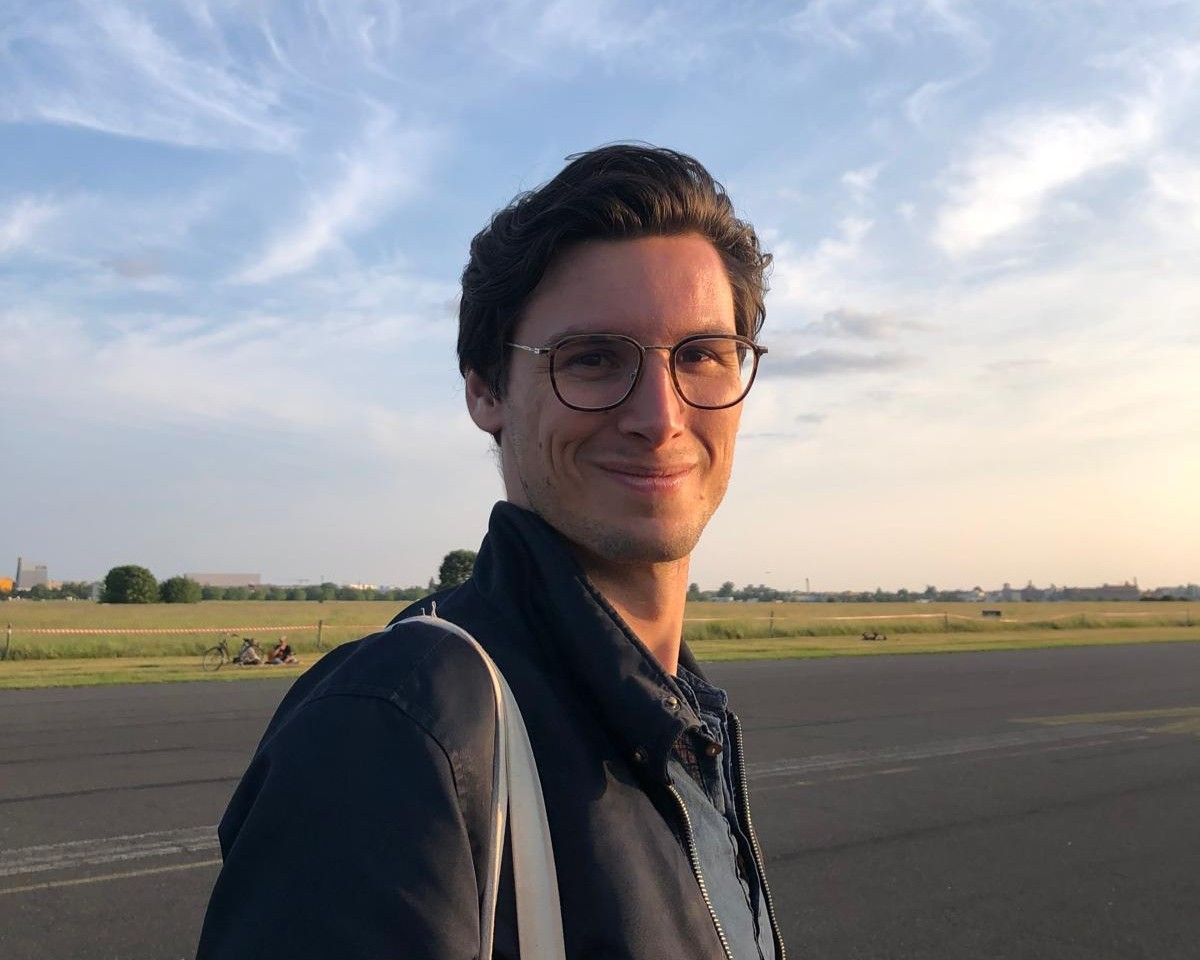
Coming from France, Hadrien Loyant graduated in 2024 from the Master in International Energy Transitions. He is now working in Berlin as an analyst at Aurora Energy Research, leading global provider of power market analytics and consultancy services, specialising in data-driven intelligence for strategic decisions in the energy sector.
What are your main responsibilities?
Being enrolled in the Graduate Program, my responsibilities have evolved across three six-month rotations in the Research, Advisory and Commercial teams. I began in Research, where I worked in small teams of three on developing market forecast reports for the German and French flexibility markets. This involved researching battery technologies, conducting analysis using Aurora’s in-house models, writing reports and presenting findings during webinars as well as in client meetings.
My second rotation was in the Advisory team, where I supported clients with strategic, policy, and investment decisions. The projects were shorter and more varied, which required adaptability and quick responses to client needs. I gained experience in valuing power plants, structuring Power Purchase Agreements, and analysing grid infrastructure. Working alongside an associate, I carried out analysis using various tools and software and had several opportunities to present results directly to clients.
I am now in my third rotation in the Commercial team, responsible for selling Aurora’s software solutions to clients. The knowledge gained from previous rotations gives me confidence to understand client needs and match them with the right products. Across all rotations, this experience has allowed me to apply and strengthen my problem-solving, communication, and analytical skills.
How did you prepare for this job?
Several alumni from my master’s programme had joined Aurora and spoke very highly of the company. They introduced me to the Graduate Program and shared valuable advice on how to perform well during the interviews. Having previously graduated from an engineering school before Sciences Po, I was able to combine strong quantitative skills with the political and economic perspective gained at Sciences Po. This mix of technical expertise and broader contextual understanding helped me stand out during the recruitment process.
What is the most fascinating part of your job?
Being part of the Graduate Program has allowed me to experience the work of different teams in a short period of time. I have learnt so much by doing, met incredible people, and discovered what suits me best—all within a condensed timeframe. When I started, I was not entirely sure what I wanted to do, but I knew I wanted to stay active and explore as many areas as possible. This programme was the perfect fit for that ambition.
Beyond that, what really inspires me is the impact Aurora has on the energy sector. It is amazing to see how our work can influence public debate and guide the strategies of major players—government agencies, investors, and generators that power most of Europe. Knowing that the analysis I contribute to is part of decisions that shape policy and the future of energy feels meaningful. It makes me proud to think that, in some way, I am helping to drive smarter, better-informed choices that will make a difference for years to come.
How did your PSIA experience contribute to the position you hold today?
The classes I took at PSIA gave me a solid understanding of how energy markets work and why they’re at the heart of major decisions for companies, governments, and developers. That knowledge was extremely valuable, but what truly made the experience stand out was the people I met. Being surrounded by classmates with such diverse backgrounds and perspectives broadened my horizons and exposed me to areas I hadn’t considered before. Those interactions enriched my learning far beyond the classroom.
My gap year was equally important. Internships at Engie and the International Energy Agency bridged the gap between theory and practice and boosted my confidence during interviews—because no amount of reading can replace the experience of working on the ground.
What advice would you give to current students?
If, like me, you do not know exactly what you want to do after graduating, it is completely okay—what matters is staying curious and moving forward. The more you engage with the world and your area of interest, the more opportunities you create. This approach led me to graduate programs which are a great way to do this: they let you explore different roles in a short time, discover what suits you and what does not, and understand a company from multiple angles. You might feel like you are losing time by rotating through teams instead of specialising, but what you gain—skills, perspective, and self-awareness—is invaluable. I am sure many of those skills will serve me later in ways I cannot yet imagine. Like many things in life, a situation is what you make of it, so take every opportunity to learn and trust that things will unfold as you go.
Information Sessions: Masters
Find out more about the Masters programs and the wide choice of specialisations offered by the 8 Schools of Sciences Po during our webinars dedicated to applicants.