
Home>Giulia, Peace Advisor, GIZ
10.12.2025
Giulia, Peace Advisor, GIZ

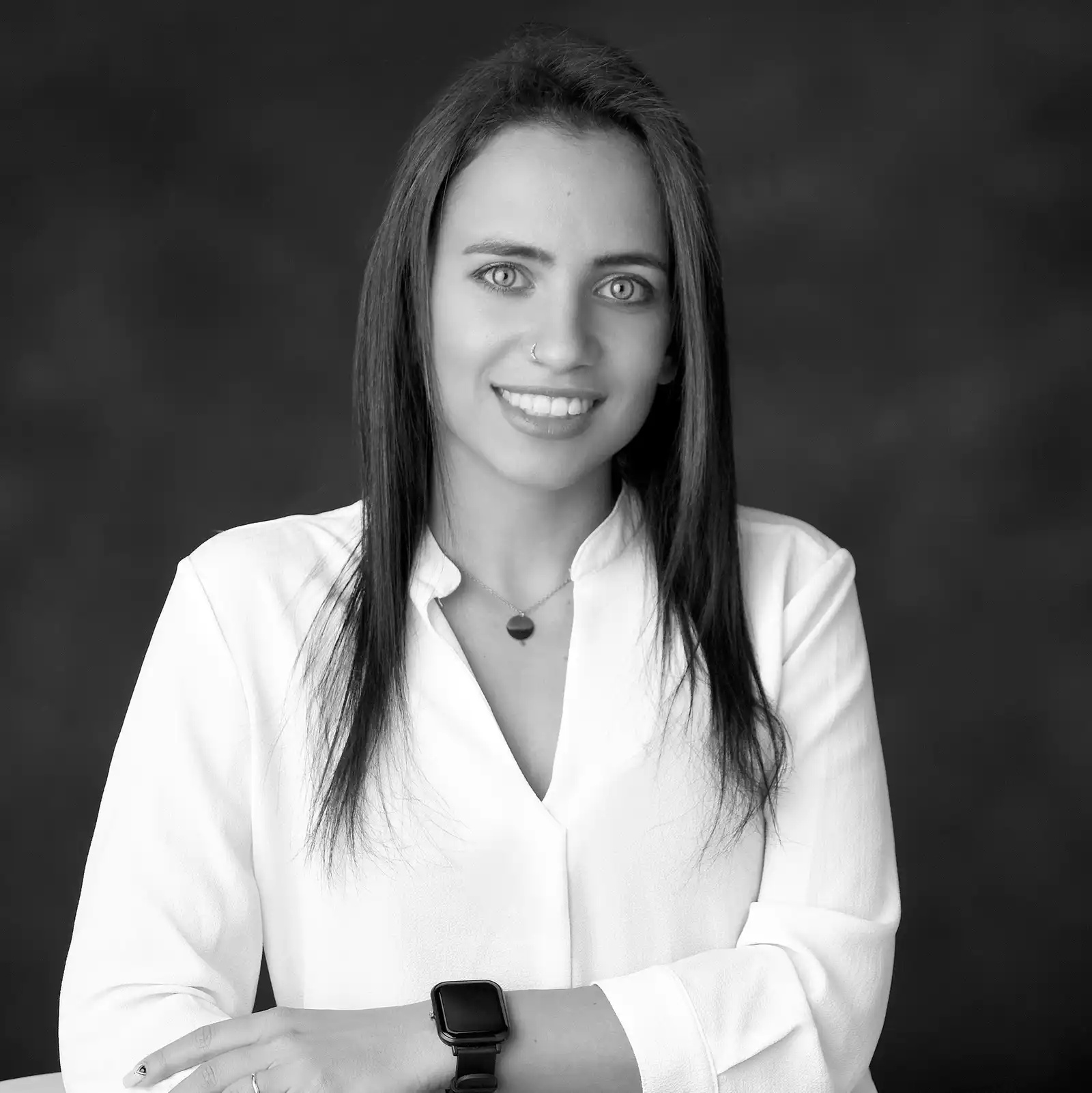
Giulia Peruzzo has graduated in Human Rights and Humanitarian Action concentrating in the geographical areas of Sub-Saharan Africa and Latin America. Coming from Italy, she works as a Peace Advisor for the GIZ Civil Peace Service project in Kathmandu, Nepal.
What are your main responsibilities?
I support Nepali non-profit organizations working at the intersection of human rights, dialogue, mediation, gender, and social inclusion - strengthening their organizational development, promoting gender equality programming, and fostering intergenerational leadership. I work in close collaboration with a national advisor, which provides valuable insights into the complex and evolving cultural context.
The most important skills for a peace advisor include sensitivity to cultural and conflict dynamics, and the ability to adapt knowledge to local contexts while acting as a bridge between local, national, and international levels. Gender sensitivity is essential to understand gender dynamics and to suggest locally relevant paths for innovation and social change.
Equally important are digitalization, knowledge management, and research skills, which enable effective support to local NGOs in strengthening their organizational development. Above all, the capacity to connect the dots in a constantly changing environment is a valuable skill for a peace advisor.
How did you prepare for this job?
My previous experience in post-conflict and complex settings has been key to reaching my current position. Continuous learning and active participation in international and local peacebuilding networks have helped me stay updated on emerging trends and approaches. Exposure to diverse contexts has also greatly enriched my professional and personal perspective.
For instance, during my four years in Colombia, I learned from a unique and resilient peace process, vibrant social movements, and numerous women-led grassroots organizations. Moving between highly localized peace projects in the Caquetá region and national-level research and advocacy roles allowed me to understand the humanitarian and development systems in their different dimensions and nuances.
What is the most fascinating part of your job?
The most fascinating part of my work is the opportunity to collaborate with grassroots organizations and contribute to meaningful, direct impact. At the same time, I have the chance to connect with regional and international peacebuilding networks, learn from them, and build synergies.
I particularly enjoy supporting initiatives that raise awareness on gender and social inclusion, as well as engaging in local advocacy aimed at achieving public policy or other institutional and sustainable changes that benefit communities. Among all aspects of my work, supporting women’s and youth leadership is the one I find most rewarding.
How did your PSIA experience contribute to the position you hold today?
Studying at Sciences Po, and particularly at PSIA, gave me the opportunity to learn from experienced professors and practitioners, which helped me develop an open yet critical perspective on the international development and humanitarian system. This foundation has guided my work in research and project implementation, especially in applying principles such as “do no harm,” sensitivity to power dynamics, and conflict awareness.
Some of the courses that had the greatest impact on me were Humanitarian Diplomacy and Negotiation, Project Management and Evaluation, and Migration and Borders. The experience and diversity of my classmates were equally inspiring and enriching.
My third-semester exchange abroad, in 2018, was especially meaningful. I spent six months at IOM Colombia, where I joined a passionate team working on differential approaches. It was my first hands-on experience in gender programming and in working directly with former combatant communities. Even the process of searching for that internship proved valuable - practical training for the ongoing job-seeking process that characterizes this field.
What advice would you give to current students?
First, I encourage them to get close to grassroots experiences. Especially in the early stages of one’s career, nothing is as valuable as listening and learning directly from social movements and communities affected by conflict or disasters.
Secondly, I suggest not being afraid of having irregular or seemingly non-linear experiences. The most interesting people I have met throughout my career are those with diverse backgrounds and unconventional paths, moving between the private, academic, and INGO sectors. Don’t let yourself be influenced by the idea of a standard career trajectory - each of us has a unique path, and as long as you feel motivated, you are in the right place.
Thirdly, I encourage you to stay loyal to your principles. Especially if you work in large organizations, international contexts, or policy-related roles, don’t forget to stay critical of the systems you are part of. There is always room for constructive change and innovation.
Finally, a practical tip: in today’s context, fundraising and digital skills are more essential than ever. Developing these can be a strong added value to your CV, regardless of the position you apply for.
Information Sessions: Masters

Find out more about the Masters programs and the wide choice of specialisations offered by the 8 Schools of Sciences Po during our webinars dedicated to applicants.
