
Home>CARE Annual Conference 2026
20 March 2026
CARE Annual Conference 2026
The Climate Adaptation, Resilience, and Empowerment (CARE) Program is an ambitious initiative shaping a new generation of climate‑conscious global leaders. Led by Sciences Po's Paris School of International Affairs (PSIA) in partnership with the University of Toronto, the University of Guelph, and the University of British Columbia, CARE responds to the triple planetary crisis of climate change, biodiversity loss, and pollution.
Under the scientific coordination of Dr Charlotte Halpern and Dr Yamina Saeb, both Sciences Po faculty members, the Conference explored two major topics: Adapting Cities to a 4°C World and Sufficiency as a Guide for Mitigation and Adaptation.
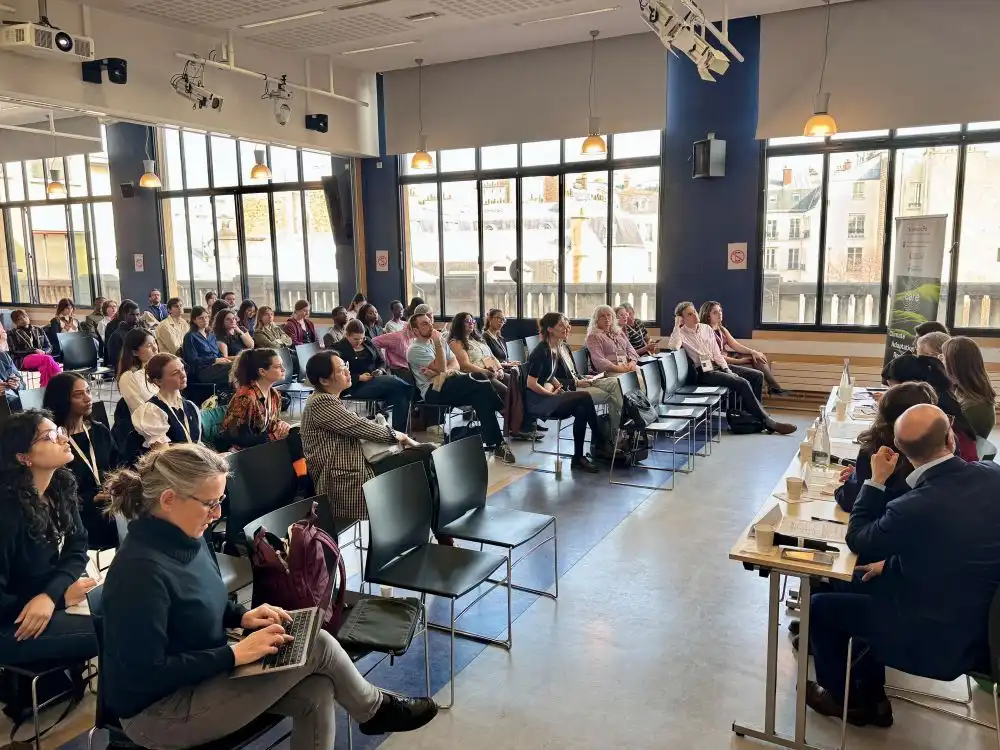
The 2026 CARE Annual Conference, held in Paris, brought together around 40 students from across the consortium for four days of collective learning, interdisciplinary dialogue, and community‑building. A large share of the Sciences Po cohort came from the Master in Environmental Policy and International Energy Transitions, reflecting the program’s strong alignment with CARE’s mission and its emphasis on equipping students with the tools to navigate complex environmental challenges.

Bridging Knowledge and Action
A defining feature of the conference was its focus on transforming scientific insights into actionable climate strategies. Discussions on urban adaptation explored how cities can prepare for a world potentially 4°C warmer, examining stakeholder engagement, co‑benefits, infrastructure resilience, and the politics of expertise. Student research played a central role, demonstrating how academic work can directly inform real‑world interventions, from community‑based climate modeling to the deployment of green roofs to reduce heat‑island effects.
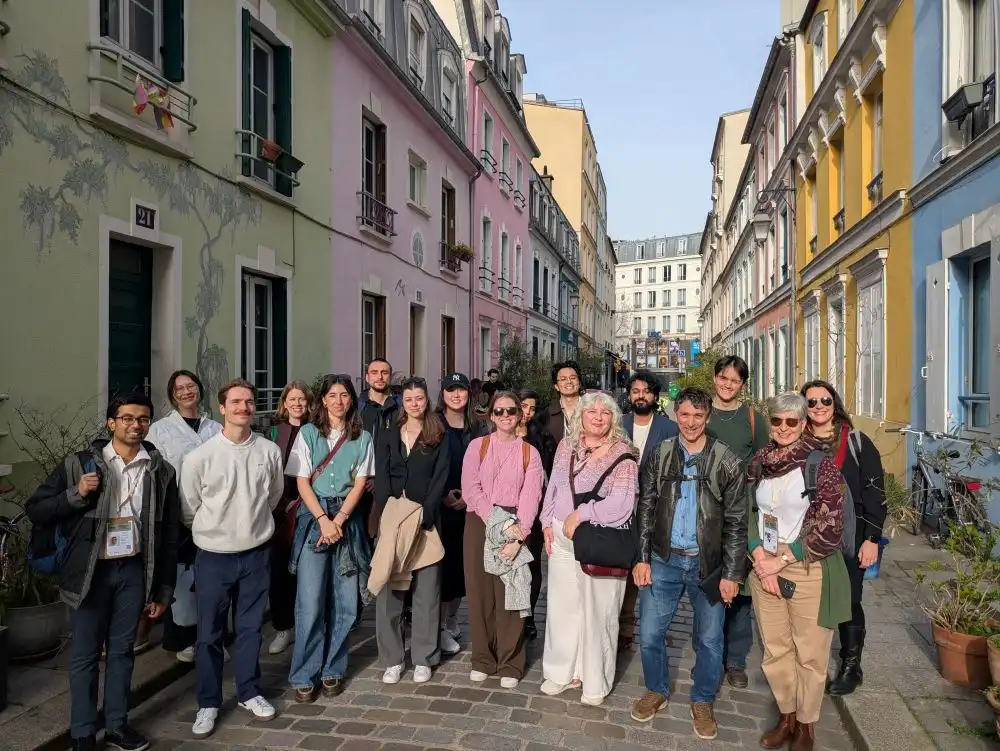
Field visits across Greater Paris made these issues tangible. Participants observed greening initiatives, biodiversity restoration projects, crisis‑management operations, and innovative wastewater systems. These immersive experiences allowed students to see how adaptation strategies are implemented on the ground, reinforcing CARE’s commitment to making climate learning real, concrete, and connected to practice.

Rethinking Climate Leadership Through Sufficiency
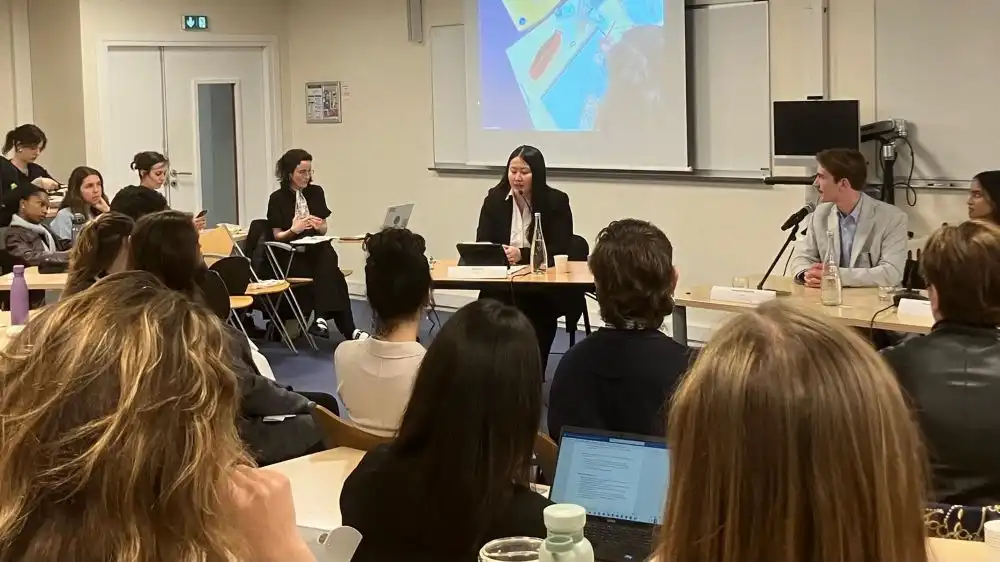
The conference also examined the role of sufficiency in climate mitigation and adaptation. Conversations emphasized the need to rethink prevailing economic and social models, shifting from growth‑driven paradigms toward wellbeing‑oriented systems. A roundtable on science and policymaking highlighted the political nature of expertise, exploring how evidence is used, contested, and sometimes instrumentalized. The discussion underscored the importance of transparency, accountability, and negotiation at the science‑policy interface, skills that CARE students are trained to develop.
Climate Justice and Intergenerational Responsibility
One of the most impactful moments of the conference was the CARE Tribunal for the Yet to Come, an experiential learning exercise designed and performed by students. Blending scientific evidence, legal reasoning, and ethical reflection, the tribunal examined responsibilities owed to future generations. Through testimony, argumentation, and narrative performance, students demonstrated how climate justice can be taught not only as a concept but as a lived, embodied practice.

Community, Collaboration, and Shared Purpose
Beyond its academic depth, the conference fostered a strong sense of community. Student‑led sustainability and cultural activities encouraged informal exchange, while shared meals and receptions strengthened ties across institutions. The closing reflections emphasized four pillars, knowledge, innovation, leadership, and community, that define the CARE Program and its vision for climate‑resilient futures.
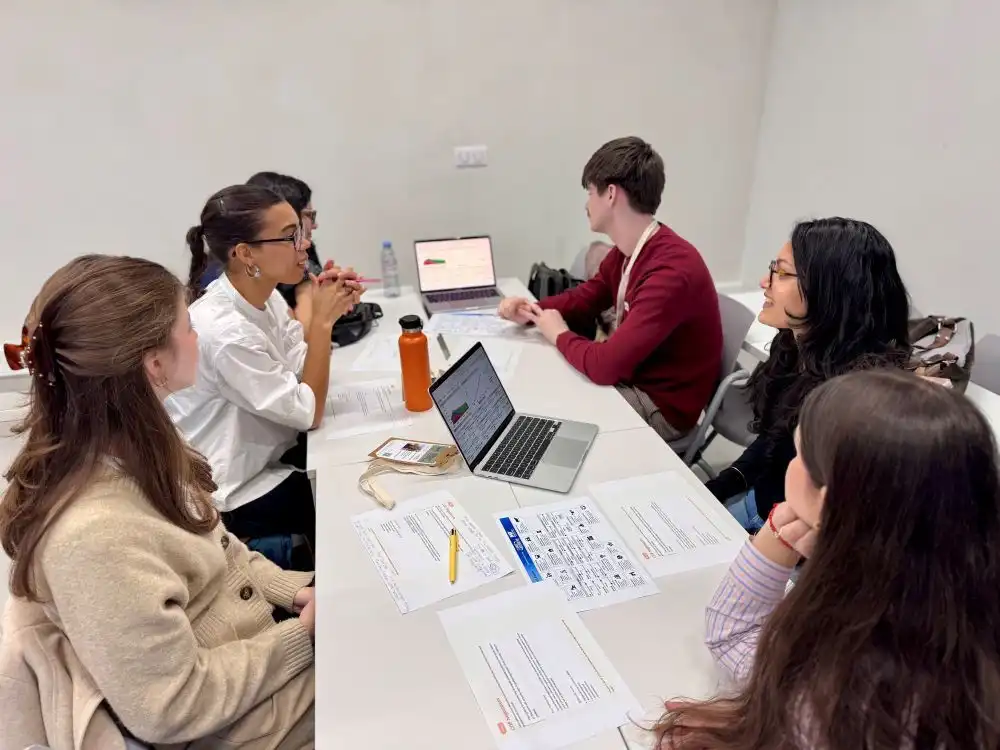
The 2026 edition not only advanced collective understanding of climate adaptation but also showcased the transformative value of CARE: a program where students learn by doing, engage with real‑world challenges, and build the collaborative mindset essential for tomorrow’s climate leaders.
The consortium now looks ahead to its 2027 gathering at the University of British Columbia.
Virtual Graduate Open House day, October 2025

On 17 October 2026: meet faculty members, students and representatives and learn more about our 30 Master's programmes.