
Home>Study trip to Venice
27 January 2026
Study trip to Venice
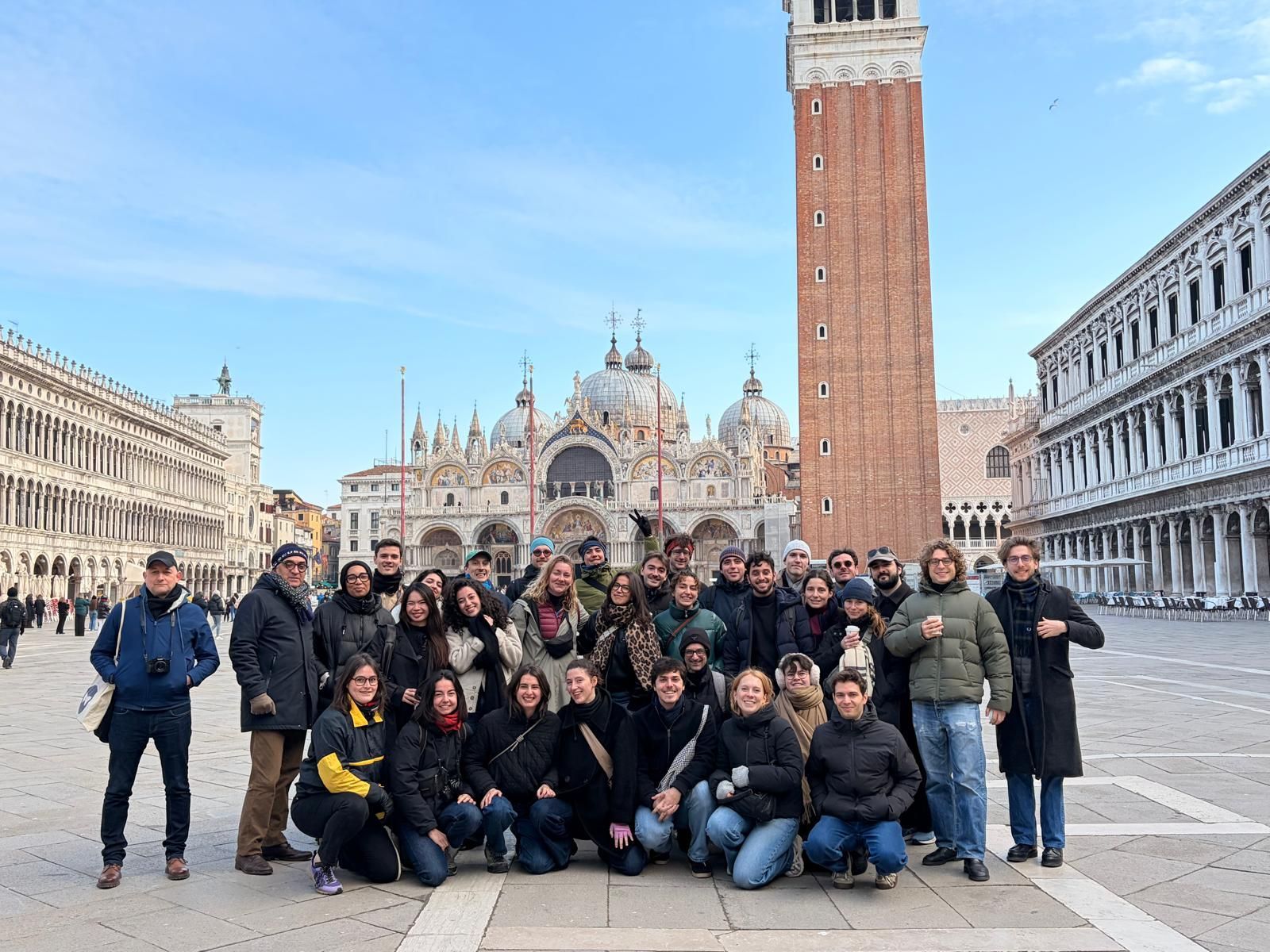
From January 18 to 22, 2026, students in the Master's program in Urban Planning spent a week in the field to understand the dynamics at work in this city.
A city unlike any other in the world, Venice has been continuously built and transformed since its origins, in constant dialogue with its lagoon environment. The result of centuries of technical, social, and political adaptations, it now acutely embodies the tensions faced by many contemporary cities.
One of the most crucial challenges is to protect the city from the sea. Venice is often described as a "sinking city," the result of several combined factors. In addition to structural reasons related to the weight of the city built on stilts, it is suffering the effects of rising sea levels and the reduction of groundwater, which was overexploited by industry for many years, particularly until the 1970s.
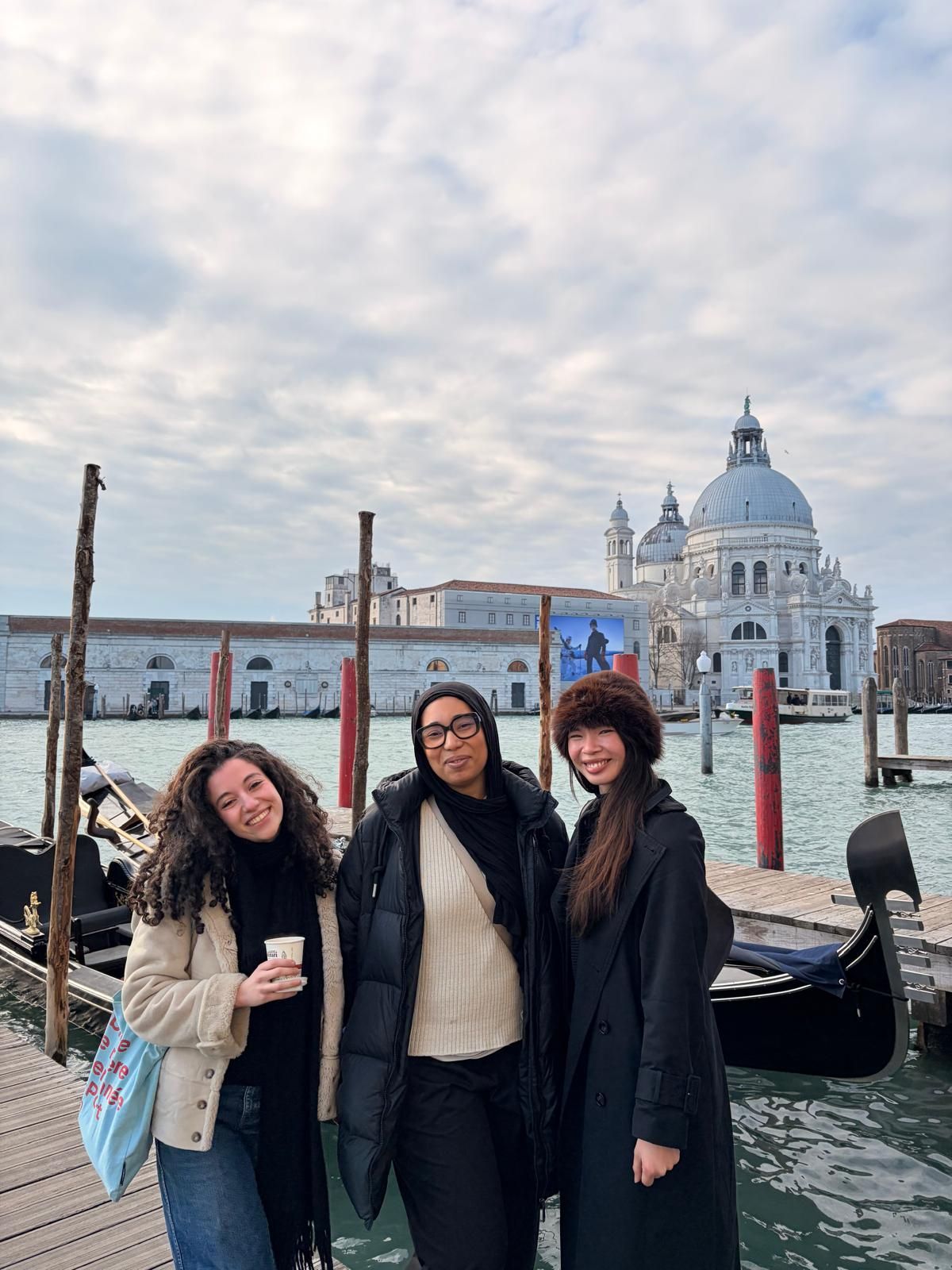
In addition to these environmental challenges, there have been profound economic changes. Formerly a port and industrial city, Venice has gradually shifted to an economy based on art, culture, and creativity, while becoming one of the most visited tourist destinations in the world. With nearly 30 million visitors per year for approximately 50,000 permanent residents, the city is undoubtedly one of the most extreme examples of overtourism, highlighting issues related to housing, heritage preservation, and pressure on urban infrastructure and services.
The program alternated between meetings with urban planning professionals, community leaders, and academics, and visits to sites in both the city center and historic districts, as well as the suburbs and contemporary areas. The trip began with a discussion with Donatella Calabi, a professor at IUAV and a leading specialist in the urban history of Venice, who shared essential historical insights into the city's current transformations with students. Four major themes were explored.
Four key themes explored
Organized by Marco Cremaschi, this study trip was structured around four major themes, allowing Venice to be approached as a veritable urban laboratory.
Housing and overtourism
The first part of the trip focused on the challenges of housing and overtourism. It included a visit to the social housing district of Giudecca and a meeting with the association Ocio – Osservatorio Civico sulla Casa e sull'Abitare, which is strongly mobilized on the effects of Airbnb on the residential market. A lecture by Professor Ezio Micelli placed the specific case of Venice in a broader context, that of emerging European policies on affordable housing.
Water and protection of the lagoon
The issue of water, which is central to Venice, was the subject of a dedicated session. The students attended a lecture by hydrology professor Andrea Rinaldo before meeting with the consortium of companies responsible for the lagoon's defense system. This system is based on a retractable dam designed to isolate the lagoon from the Adriatic Sea during high tides, illustrating the technical responses to a growing climate risk.
Common goods and citizen initiatives
A third session focused on the issue of common goods. It took students to the small island of Vignole, where local agriculture and community energy projects are being developed, and to meet the Poveglia per tutti association, which is involved in an alternative urban park project to private real estate developments. These initiatives question forms of governance, collective use, and citizen participation in an urban context under intense pressure.
Art, culture, and tourism
Finally, a last sequence explored the role of art, culture, and tourism, pillars of the contemporary Venetian economy. The students met with Andrea Del Mercato, Director General of the Biennale, the Director of the Wilmotte Foundation, and the former Director of the Pinault Foundation. They visited the M9 museum in Mestre, on the mainland. All of these insights helped them understand the links between artistic creation, regional attractiveness, and urban transformation. Thinking about the city from the ground up.
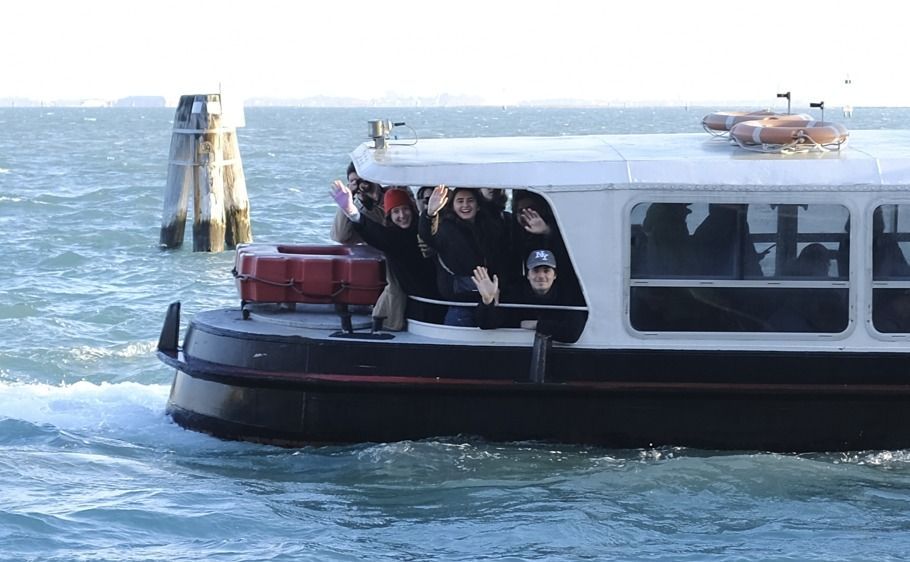
Excerpts from the program:
- Meeting with Valerio Volpe, director of the Autorità per la Laguna di Venezia, and with councilor Massimiliano De Martin (Comune di Venezia), to discuss water management and urban planning policies.
- Visit to Marghera and the Archivio Storico della Biennale, followed by the M9 museum in Mestre.
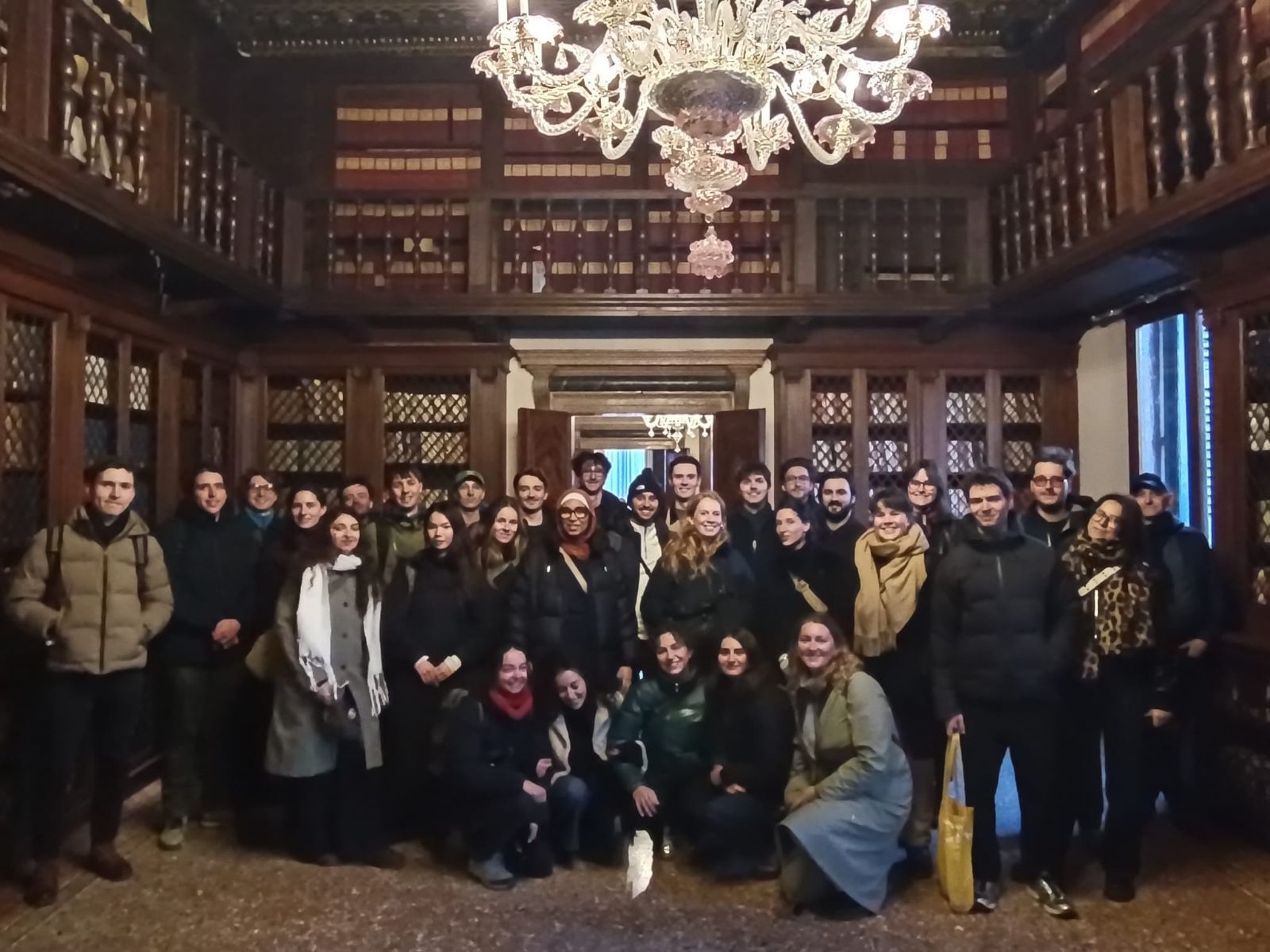
- Meeting and debate at the Istituto Veneto di Scienze, Lettere ed Arti with Andrea Rinaldo (lagoon hydrology) and Donatella Calabi (urban history of Venice).
- Discussions at the Biennale di Venezia with Andrea Del Mercato, Director General, on cultural policies.
- Visit to the social housing in Sacca Fisola and Giudecca, and meeting with the Poveglia per tutti association.
- Discovery of Murano, glass workshops, and the Vetro Artistico Murano label.
- Meeting in Vignole on local agriculture and community energy projects.
Information Sessions: Masters

Find out more about the Masters programs and the wide choice of specialisations offered by the 8 Schools of Sciences Po during our webinars dedicated to applicants.