
Home>Research track students on the field


23 April 2026
Research track students on the field
In the second semester, research track students at the Urban School undertook fieldwork lasting between one and four months in France and abroad, as part of their dissertation work. Supported by the institution, this mobility enables them to access the sources, data and expertise essential to their research. This year’s research study trips took place in Norway, Italy, Denmark, Monaco, Ghana, and the United States.
Combining interviews, observations and data collection, these field trips represent a key stage in their training, bringing them face-to-face with the realities they are studying. Designed for those wishing to pursue academic careers or specialist roles in the public or private sector, the research track offers an ideal framework for developing a rigorous scientific approach and, in particular, preparing for a PhD at Sciences Po’s School of Research.
These research placements take various forms depending on the subjects and fields of study. Two of the students present their work here, accompanied by photographs taken in the field.
Italy, Monaco, France | Socio-spatial dynamics of a cross-border region under strain
By Giovanni Diassise
"My research investigates the socio-spatial dynamics of asymmetrical metropolisation within the French, Italian, and Monegasque cross-border living area by focusing on the dual analytical vectors of daily mobility regimes and transnational housing markets.
This territory acts as a unique laboratory for multilevel governance studies, demonstrating how institutional fragmentation and informal cooperation manage complex spatial interdependencies without relying on a formalised metropolitan architecture.
What stood out most during my qualitative fieldwork was the paradoxical socio-spatial position of Monegasque citizens within this polarized ecosystem. While they structurally benefit from the sovereign rent and the economic externalizations that shape neighboring territories, they simultaneously endure the intense pressures of global hyper-gentrification, relying on strict statutory protection to avoid displacement from their own national space".

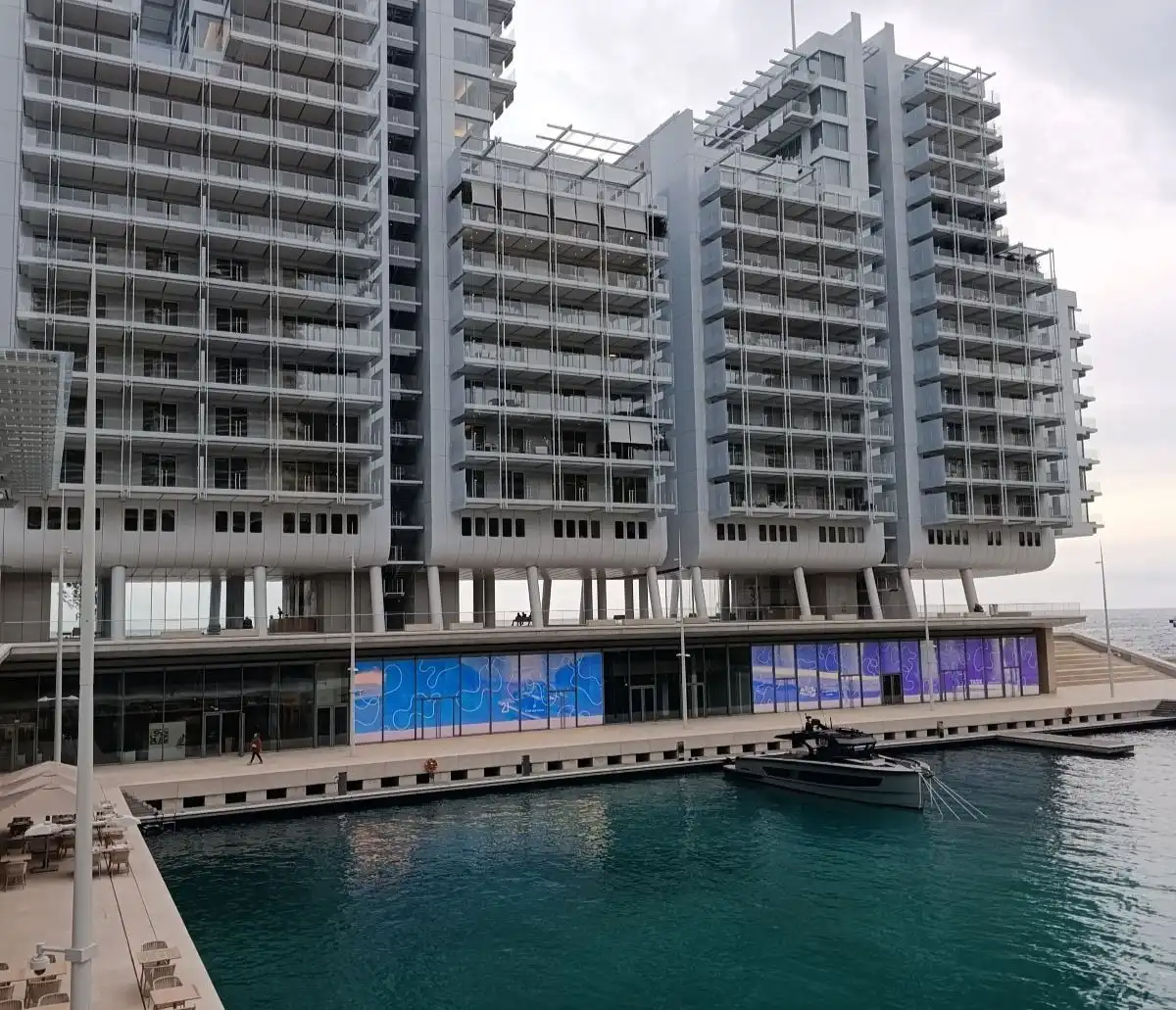

Mareterra is a €2 billion offshore extension built directly on the sea, with real estate prices reaching €120,000 per square meter. This ultra-luxury district illustrates the hyper-financialization of the real estate market in Monaco, where the production of exclusive spatial enclaves drives the residential displacement of the regional workforce.
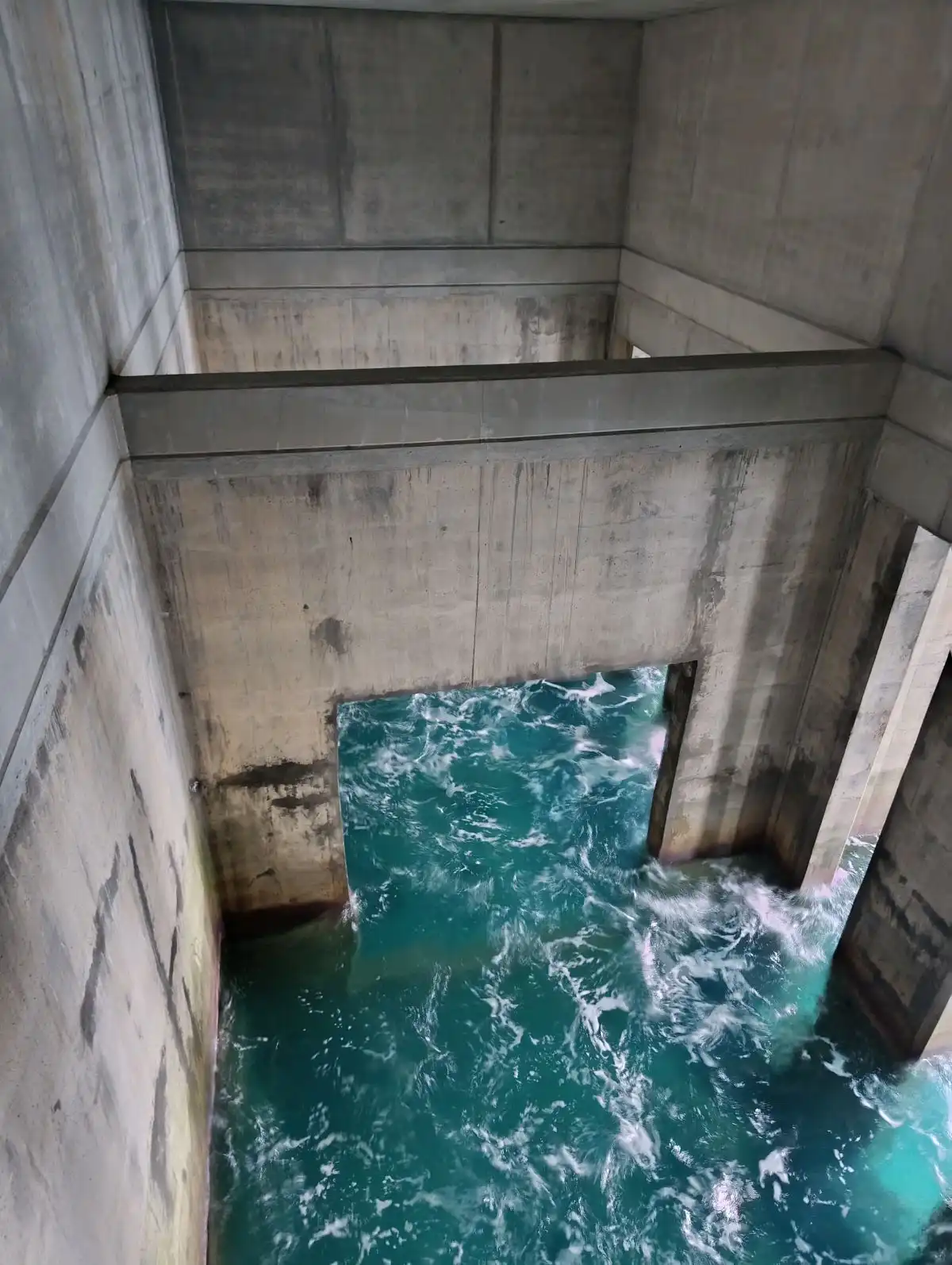
This structure highlights the integration of an advanced marine thermal energy network within the offshore extension, where hyper-technological sustainability legitimizes ultra-luxury urban production.
California | Rebuilding after a fire: social dynamics and resilience
By Sophie Haugen
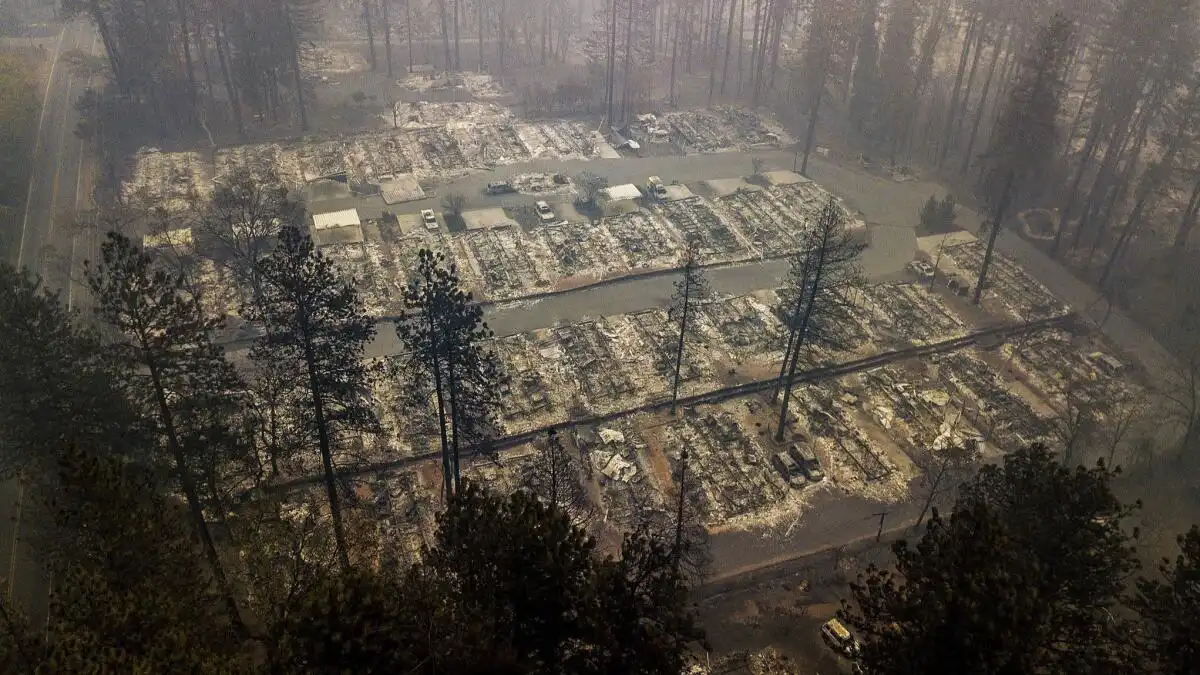
"I chose to get into the field of urbanism and study at Sciences Po because of my experience in the 2017 Tubbs wildfire, which burnt down 5,000 homes in my hometown of Santa Rosa in Northern California. I focus my research on the social phenomenon that surrounds wildfire recovery, and how people interact with their local government, neighbours, and community in the wake of a disaster.
Looking at the community stakeholders and actors in Santa Rosa, CA and Paradise, CA - the sites of two of the most deadly wildfires in California history- I have been absolutely devastated and amazed by the adaptive capacity of these two communities in the wake of disaster. In different capacities, the wildfire has forced these two communities to fundamentally change the structure within these towns, in an era when mega fires and climate change have permanently changed the landscape and experience of living in this region".


Virtual Graduate Open House day, October 2025

On 17 October 2026: meet faculty members, students and representatives and learn more about our 30 Master's programmes.