Home>A Workshop Connecting Transnational Perspectives on the Impact of War on Civilians


11 June 2026
A Workshop Connecting Transnational Perspectives on the Impact of War on Civilians
“The Global War on Civilians: 1905–1945” is an Advanced Grant project funded by the European Research Council and hosted at the Centre for History of Sciences Po. The project runs until the end of 2029. This may be the most global effort to date to research the impact of modern warfare on civilians. The project addresses the disturbing questions: How did it become normal for nations to seek to win wars not simply by defeating armies and navies, but also by deliberately attacking cities and the civilian population?

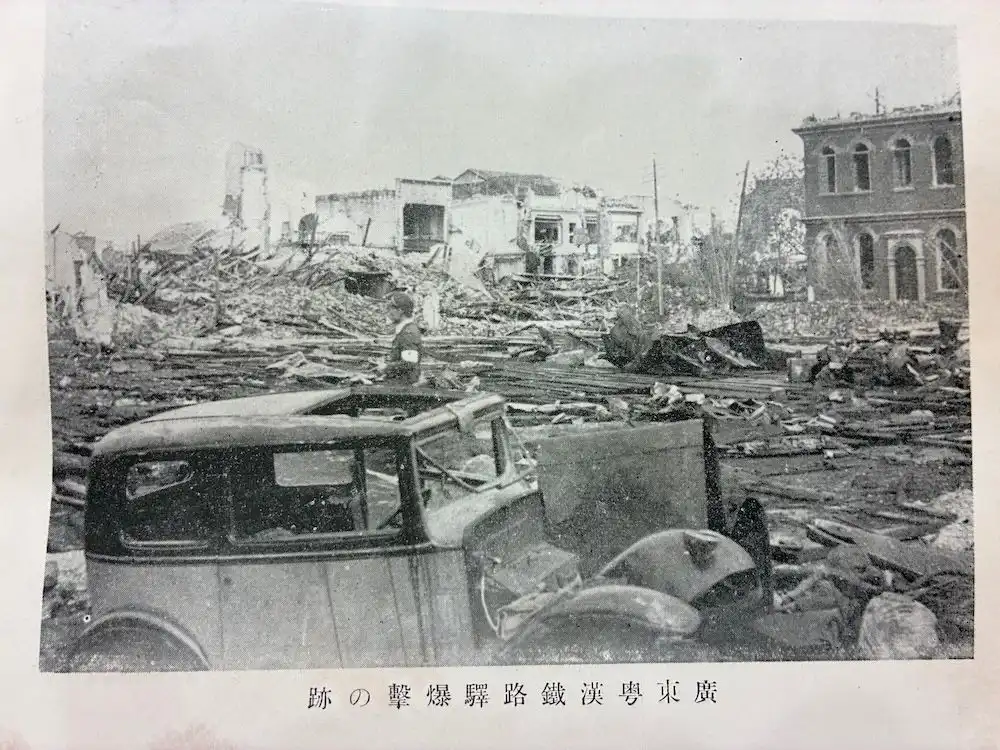
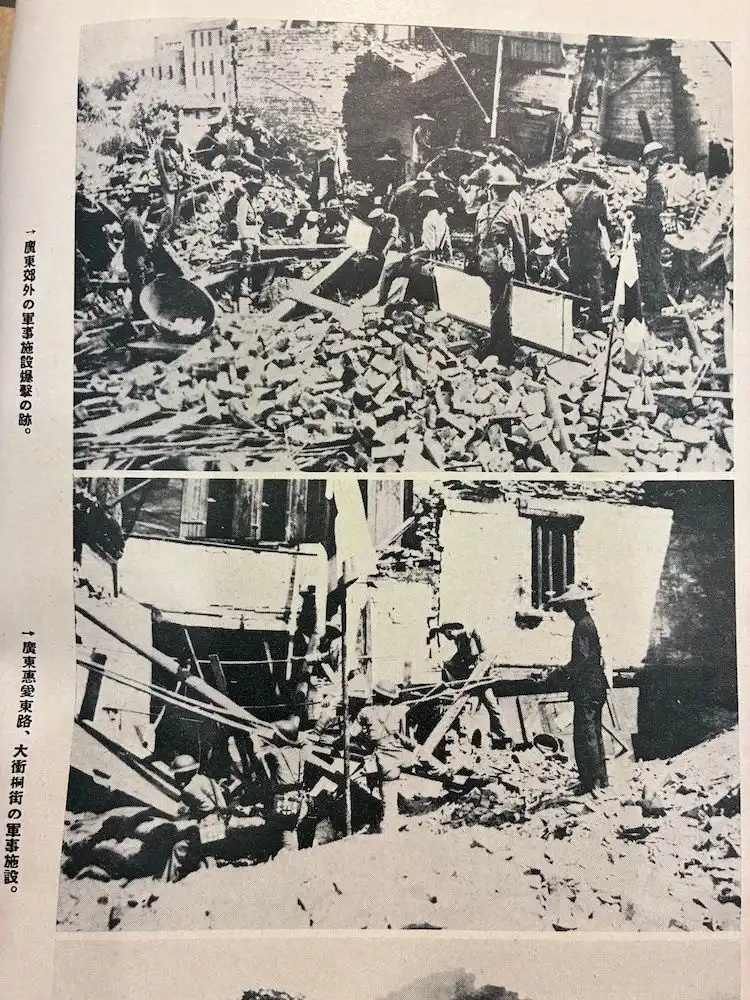
The project focuses on aerial bombardment and civil defense against it; food blockades and home front campaigns to ration food; and campaigns to demoralize enemy civilians while boosting morale at home.
The project team employs the methods of global or transnational history and covers Japan, the Second Sino-Japanese War, Germany, Britain, France, Italy, Spain, the Soviet Union, and international law. That is, the project investigates connections among the national cases, revealing how both the war on civilians and home fronts evolved from the transnational circulation of ideas and practices during the first half of the twentieth century. It poses new questions about the global history of war that have been overlooked in nation-centered histories.
Connecting National Developments
On 22 May 2026, the project Workshop “Making Transnational Connections” took place at the Centre for History of Sciences Po. The Workshop brought together historians currently developing the work packages — Japan, Britain, Second Sino-Japanese War, Italy, Germany, Spanish Civil War, international law, and the U.S. role in bombing and blockading its enemies. The meeting was opened by Sheldon Garon, Principal Investigator of The Global War on Civilians project at CHSP and Professor, Princeton University. Speakers included the outside experts Nicholas Stargardt (Oxford University), Victor Louzon (Sorbonne University), and Arnau Fernandez Pasalodos (University of Granada) plus current team members Boyd Van Dijk (CHSP), Anne Van Mourik (CHSP), Mariella Terzoli (CHSP). The project expects to hire the final two researchers on France and the Soviet home front in the coming months.
The workshop participants exchanged their research findings on the transnational circulation of ideas and practices concerning war and civilians during the first half of the twentieth century. Some of the national cases are familiar, notably Britain, Germany, and France. But the others – Japan, Second Sino-Japanese War, Spanish Civil, Soviet home front, and Fascist Italy – have not been rigorously integrated into histories of the war on civilians, even though they played key roles in the development of offensive strategies and the construction of home fronts.
How to Make Transnational Connections in the Archives
Although historians of war and society have sometimes applied the methods of comparative history to national cases after the active research phase, rarely has a project attempted collaboratively to explore transnational connections as the researchers work in the archives.

“The Global War On Civilians” aims to reveal connections of three types: spatial connections among nations, temporal connections between earlier developments (including World War I) and World War II, and connections between offensive strategies against civilians and the programs to defend the home fronts.
The workshop focused on researching transnational connections in two ways. First, the members examined common terms and discourses emerging from archival research – such as “morale” or “home front.” How did these words circulate around the globe, and to what extent did they shape wartime policies and civilian practices. Second, the participants discussed explicit forms of transnational learning, including the transfer of ideas and policies between states. Members shared numerous examples from the archives that illustrated how transnational learning influenced offensive and home-front strategies in each of the belligerent nations. Home fronts are usually seen as limited to individual nations and national histories. However, the project has found that the architects of each home front were actively studying the home fronts of others. Thus, by the beginning of World War II, we see many common features in each home front, such as blackouts, air-raid wardens, food rationing, war savings campaigns, and the unprecedented mobilization of women at home.
Toward a Shared Glossary
A central objective of the Workshop was to share archival findings to identify broader international connections that may otherwise remain invisible within national historiographies.
Discussions were organized around several major areas of connections in:
- International law
- Home fronts
- Blockade and Food security/insecurity
- Aerial bombardment and civil defense
- Bombing within empires (“air control”) and colonial violence
Toward this end, the project is also developing a shared glossary of terms and concepts to support comparative and transnational analysis.
By placing national experiences in dialogue with one another, the Workshop highlighted the importance of transnational perspectives for understanding how modern warfare was shaped between 1905 and 1945.
For more information, visit the project website.
This project is funded by the European Research Council (ERC) under an Advanced Grant (No. 101141720).