


Home>Research>Research Projects>Rough Justice in France - FRANJU
Rough Justice in France - FRANJU
About
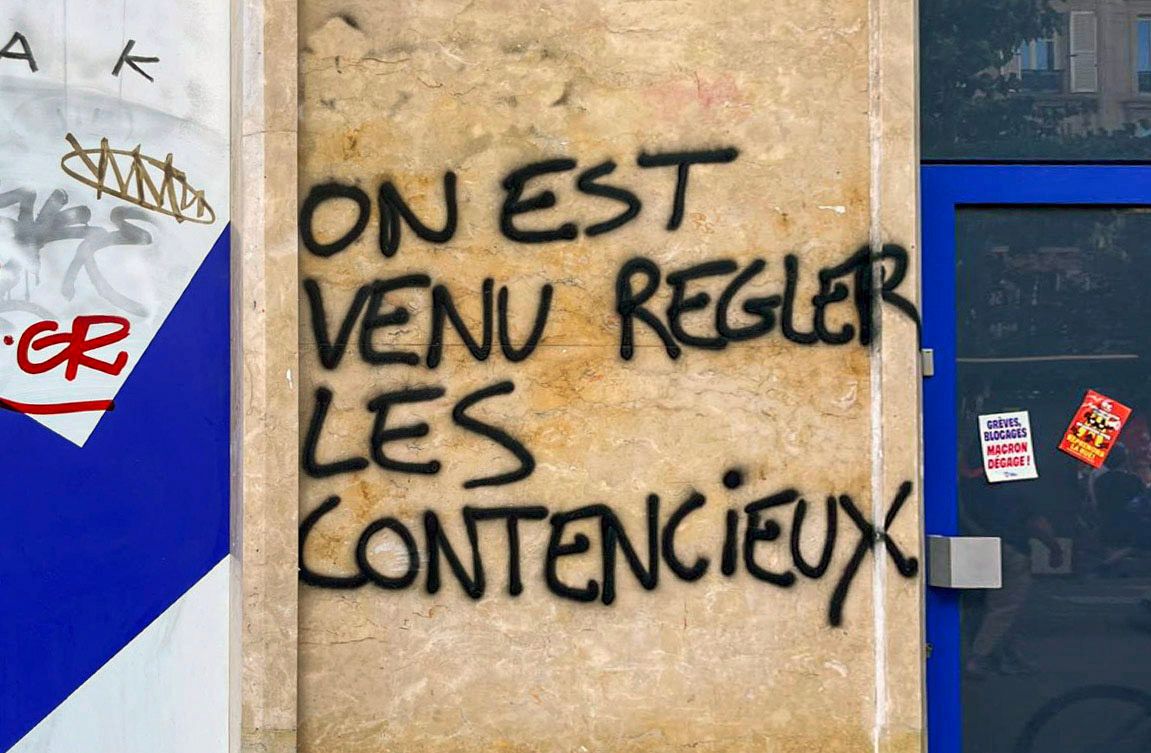
Farmers attacking eco-activists accused of occupying private land; far-right militants harassing foreigners in Calais in the name of the fight against illegal immigration; “pedophile hunters” tracking down and assaulting suspected sex offenders: over the past decade, rough justice has been on the rise in France. Self-proclaimed vigilantes have rarely had a good press, however, in a national context quick to castigate “militias”. How, then, can we explain the fact that a growing number of amateurs are being tempted to take the law into their own hands?
This project consists in a sociological survey of self-proclaimed vigilantes in both metropolitan and overseas France. In the French West Indies, Mayotte and New Caledonia, often violent mobilizations for security have recently hit the headlines. While these mobilizations are part of singular histories, they revolve around causes similar to those that galvanize aspiring vigilantes in metropolitan France. Three main themes stand out: the defense of property (in both urban and rural areas), the fight against immigration (often overlapping with the defense of autochthony) and, lastly, moral and sexual policing (particularly mobilizations against pedocriminality).
On the theoretical level, this project brings together the analysis of policing, the sociology of law, and the study of mobilizations. From a methodological perspective, we propose to study self-proclaimed vigilantes through their statements, their practices, and the controversies they generate. Using a qualitative approach, the research will be organized around three complementary methods: digital monitoring, an analysis of legal proceedings, and fieldwork trips (primarily devoted to conducting interviews with vigilantes, their audiences, and their opponents).
Sensitivity to vigilante statements, punitive practices, and the reactions they provoke in society ultimately leads us to grasp two issues. The first concerns the rewards of vigilantism. Beyond the claim to work for the common good, what benefits do vigilantes expect from their activity? The second issue concerns the relationships between those who right wrongs and law enforcement agencies. While vigilantism is generally associated with a critique of state performance, relationships with law enforcement officials vary significantly from one case to another, ranging from confrontation to collaboration, or even co-optation. Questioning these relative margins of maneuver leads to consider the possibility of a differential management of vigilante illegalities, in relation to the causes defended and the social characteristics of vigilantes.
By exploring the various shapes of rough justice in France, this project aims to fill an important gap in the academic literature on vigilantism and extra-legal punishment. It is also likely to enrich this literature by shedding light on political conditions conducive to these initiatives, on reactions to them, and on specific issues regarding the dissemination of "vigilante shows" online.
This project will also contribute to the public debate, by offering to take a step back from a sensational and sensitive subject that is ripe for media and political exploitation.
Program
Organisation de la ST 35 « Le temps des justiciers ? Énonces, pratiques et controverses »
Congrès de l'AFSP, Lyon, 30 juin-1er juillet 2026
Scientific Coordination
Scientific Coordination : Gilles Favarel-Garrigues, Laurent Gayer, Mathilde Darley (IRIS)
Participants :
- Anthony Amicelle
- Laurent Bonelli
- Pauline Chevillotte
- Vanessa Codaccioni
- Pablo Corroyer
- Laurent Fourchard
- Numa Gagey
- Matthijs Gardenier
- Paul Grassin
- Clémentine Lehuger
- Dan Sanaren
- Benoît Trépied