


Home>Research and Publications>Research Projects
Research Projects


The Observatory of Multilateralism in the Indo-Pacific
The Observatory of Multilateralism in the Indo-Pacific is a multi-year research program led by the Foundation for Strategic Research (FRS), in cooperation with the European Council on Foreign Relations (ECFR), the Institut Montaigne, the Center for International Research at Sciences Po (CERI-Sciences Po), and the National Institute for Oriental Languages and Civilizations (Inalco). Led by the DGRIS, it aims to contribute to a better understanding of the Indo-Pacific and to promote French strategic thinking on and within the region.
The pooling of this unique expertise serves several objectives, including:
- Developing French expertise in an area of key national interest and incorporating it into international debates on the political, diplomatic, economic, and defense future of the Indo-Pacific.
- Creating a network to engage think tanks and research centers in the Indo-Pacific and promote diversity of strategic thinking.
- Contributing to the Ministry of the Armed Forces' thinking on strengthening France's engagement in the region in the field of security and defense.
In such a framework, the Observatory of Multilateralism in the Indo-Pacific will publish research notes that will provide a renewed and in-depth analysis of the main cross-cutting challenges of the region. It will also organize, twice a year, conferences alternately in France and in several countries of the region.
Directed by Antoine Bondaz, the Observatory is coordinated by Thibault Fournol. The partner institutions are represented by Manisha Reuter (ECFR), Mathieu Duchâtel (Institut Montaigne), Christophe Jaffrelot (CERI-Sciences Po) and Delphine Allès (Inalco).
The Observatory of Multilateralism in the Indo-Pacific is part of the work carried out on and in the Indo-Pacific region by the Foundation for Strategic Research for many years, both through regional and thematic approaches: bilateral and trilateral high-level strategic dialogues supported by French administrations; European platform for exchange on the Indo-Pacific; institutional cooperation agreements with the main think-tanks in the region; research programs dedicated to the foreign and security policy of several countries in the region; publications of numerous notes and studies; interventions in French and foreign universities; media interventions; etc.
More information on their website or follow them on X: @ObsIndoPacific
The Indian Muslims Today

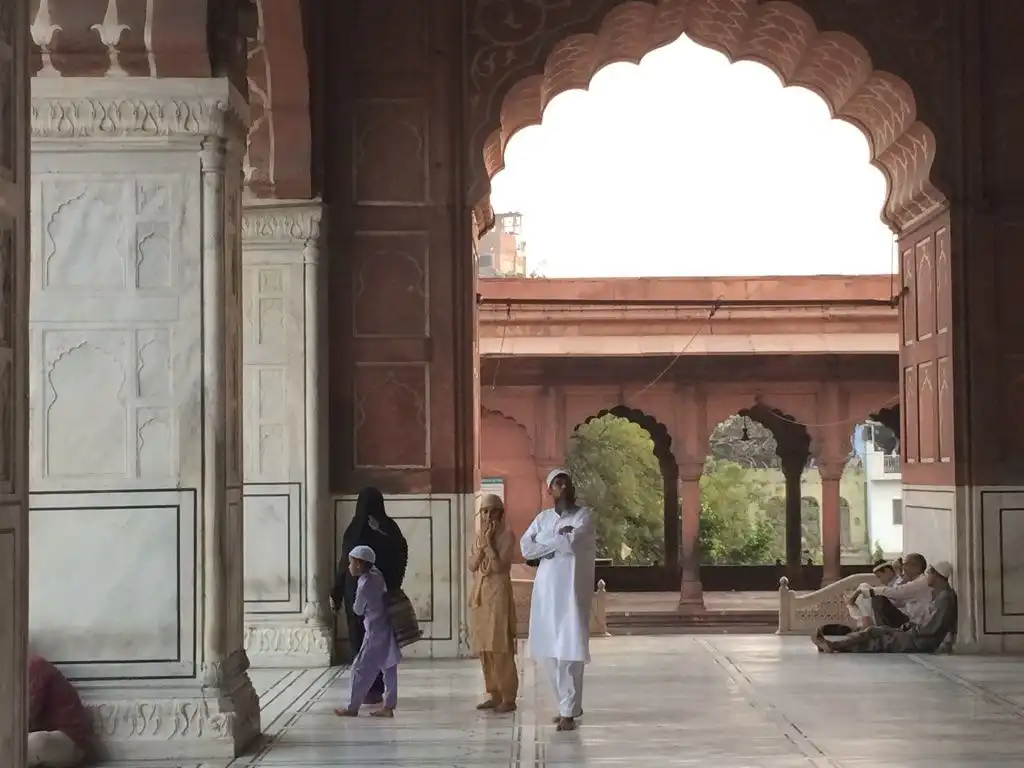
The Indian Muslims Today website is part of a 4-year research project, Indian Muslims at a time of Hindu Majoritarianism, generously funded by the Henry Luce Foundation and Columbia University, and run by Sciences Po with collaboration from Princeton.
This website aims at presenting, through various media, an image of the situation and lives of India’s largest minority community.
It seeks to inform students, academia, the media as well as the general public.
Some of the content presented here is new and emerges from the fieldwork and academic research of the 50-odd core team which contributed to the project.
Other content reproduces relevant open source material on the topic, New documents and new analyses will regularly be posted, thereby making this website a one stop archive for anyone interested in the subject.
Indian Media : challenges and resilience

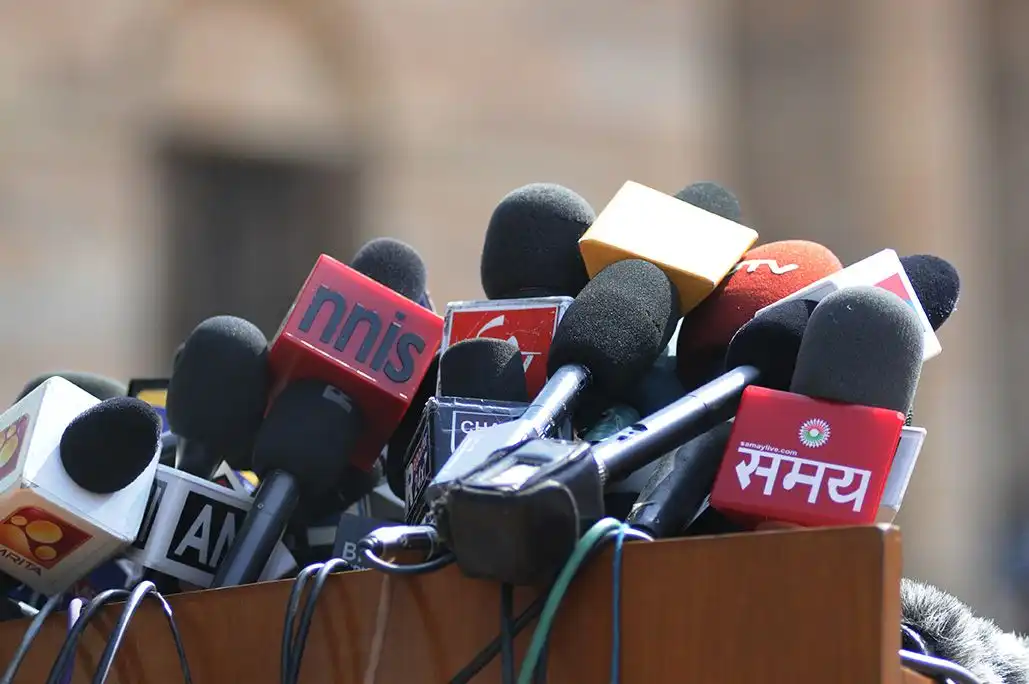
The Indian media landscape is like India itself – huge and densely populated – and has more than 100,000 newspapers (including 36,000 weeklies) and 380 TV news channels. But in the RSF World Press Freedom Index which assesses the state of journalism in 180 countries and territories, India was ranked 161 st in 2023 – it had dropped 19 places in two years. The violence against journalists, the politically partisan media and the concentration of media ownership all demonstrate that press freedom is in crisis in “the world’s largest democracy”, ruled since 2014 by Prime Minister Narendra Modi, the leader of the Bharatiya Janata Party (BJP) and the embodiment of the Hindu nationalist right.
Indian media are changing quickly since Narendra Modi’s rise to power in 2014. First, the concentration of media ownership in the hands of a very small number of powerful capitalists accelerated (as evident from the taking over of NDTV by Gautam Adani, Modi’s oligarch in chief). Second, the so-called “mainstream media” not only promoted the interests of the ruling party, the BJP, but propagated its Hindu nationalist ideology too, at the expense of secularism and the relative multiculturalism that the minorities enjoyed so far. Third, pressure on the journalists - from the media owners as well as from the government and Hindu
nationalist trolls/vigilantes - have intensified, resulting in censorship as well as self-censorship. High-quality non-biased information is only available in a few places - mostly online platforms - whose business model might not be sustainable.
The project has three specific objectives
- To analyse the ownership pattern of the Indian media
- To research and highlight the sociology of the Indian newsrooms
- To understand the mechanisms accounting for censorship as well as self-censorship of/in the Indian media.
“The Indian Media Today” Conference
Date: 17th and 18 th of June 2024
Programme
Replay

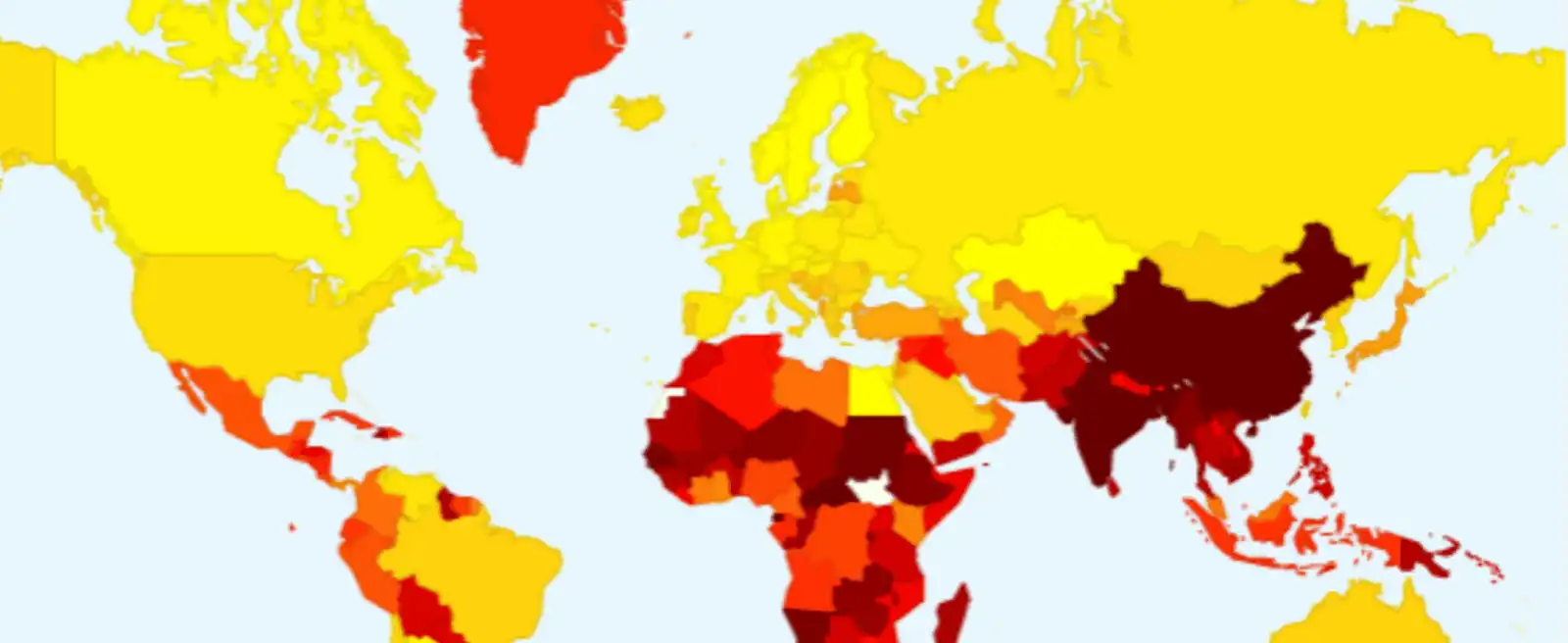
Facing Environmental Crisis in South Asia: Challenges and Responses
Replay the inaugural meeting of the Sciences Po South Asia Program on Vimeo
