

Accueil>Whose Pain Counts? A Computational Text Analysis of Inequalities in Disaster and Adaptation Reporting


10 avril 2026
Whose Pain Counts? A Computational Text Analysis of Inequalities in Disaster and Adaptation Reporting
À propos de cet événement
Le 10 avril 2026 de 11:30 à 12:30
Salle K008
1 pl. Saint-Thomas-d'Aquin, 75007, ParisL’événement est accessible aux personnes à mobilité réduite.
CRIS SCIENTIFIC SEMINAR 2025-2026
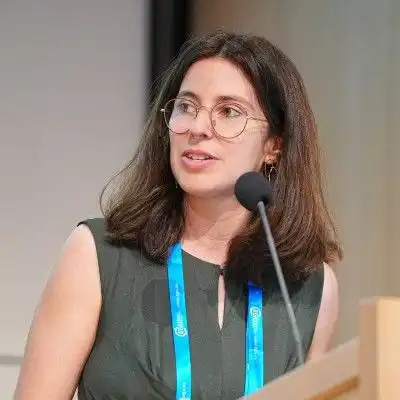
TALK WITH MARIANA MADRUGA DE BRITO, HELMHOLTZ CENTRE FOR ENVIRONMENTAL RESEARCH (UFZ)

In this talk, I show how natural language processing and large language models can be used to detect inequalities in how climate disasters are studied and reported. I focus on systematic biases in what is documented, how events are framed, and whose experiences are made visible. I present two complementary approaches.
First, using machine learning to screen over 500,000 peer-reviewed articles, I map global patterns in the scientific literature on the socioeconomic impacts of climate hazards and show where research attention is unevenly distributed. For example, disasters in low-income countries must cause up to 16 times more fatalities and affect 130 times more people to receive comparable scientific attention.
Second, drawing on a corpus of 250,000 German news articles, I examine international disaster reporting to uncover structural patterns in which disaster.
Mariana Madruga de Brito is the Group Leader of the Computational Sociology for Extreme Events' group, UFZ, Leipzig.
To fin out more, visit the UFZ Webpage. Thank you to register