


Home>Academics>Master Programs>International Energy Transitions
Master in International Energy Transitions
Two-year Master's
Programme in English
120 ECTS minimum
Virtual Graduate Open House day – 17 October 2026

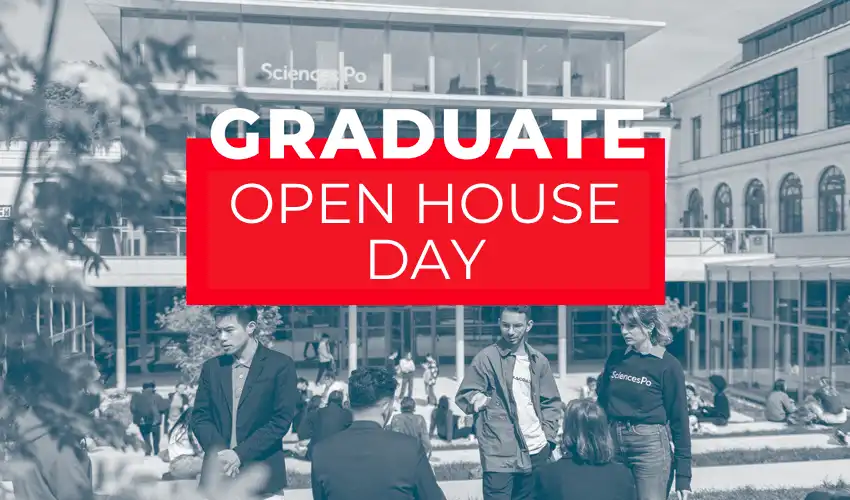
Interested in joining a master’s programme at Sciences Po? Come and discover our 30+ master’s programmes across our eight professional schools, as well as the admissions process. Speak with our deans, academic coordinators and students, as well as our admissions teams.
General objectives
The governance of the energy transition in the context of global warming, universal access to modern energy, and security of supply are key challenges for each country and the international community. The energy transition has economic, political, technological, legal, distributional and international relations dimensions.
The Master in International Energy Transitions at PSIA responds rigorously to a growing worldwide demand in energy expertise, with a cutting-edge curriculum, internship program, and active series of public lectures and events with industry and government leaders.
Main orientations and specific features
The Master in International Energy Transitions provides students with a holistic understanding of energy issues, across disciplines and across all energy sources. We offer a rich menu of more than 20 energy courses – there is no equivalent in any other academic program.
The programme emphasizes students’ active participation and networking. Many of the faculty come from the main European energy think tanks, including the International Energy Agency and from the international energy industry or the consultancies. Numerous events featuring distinguished speakers are organized by faculty or the Sciences Po Energy Association (an independent student initiative). Each year the Master hosts the Paris launch of International Energy Agency’s World Energy Outlook.
The Master is closely connected to the CARE Program, an innovative, state-of-the-art, carbon neutral program led by PSIA in partnership with the University of Toronto, the University of British Columbia and the University of Guelph, with the support of the DRG Foundation, which aims to contribute to shaping a new generation of climate-conscious global leaders and citizens.
Canadian students accepted in the Master are eligible for the CARE Scholarships.
Visit the dedicated website about to the CARE Program and its activities.
Program structure

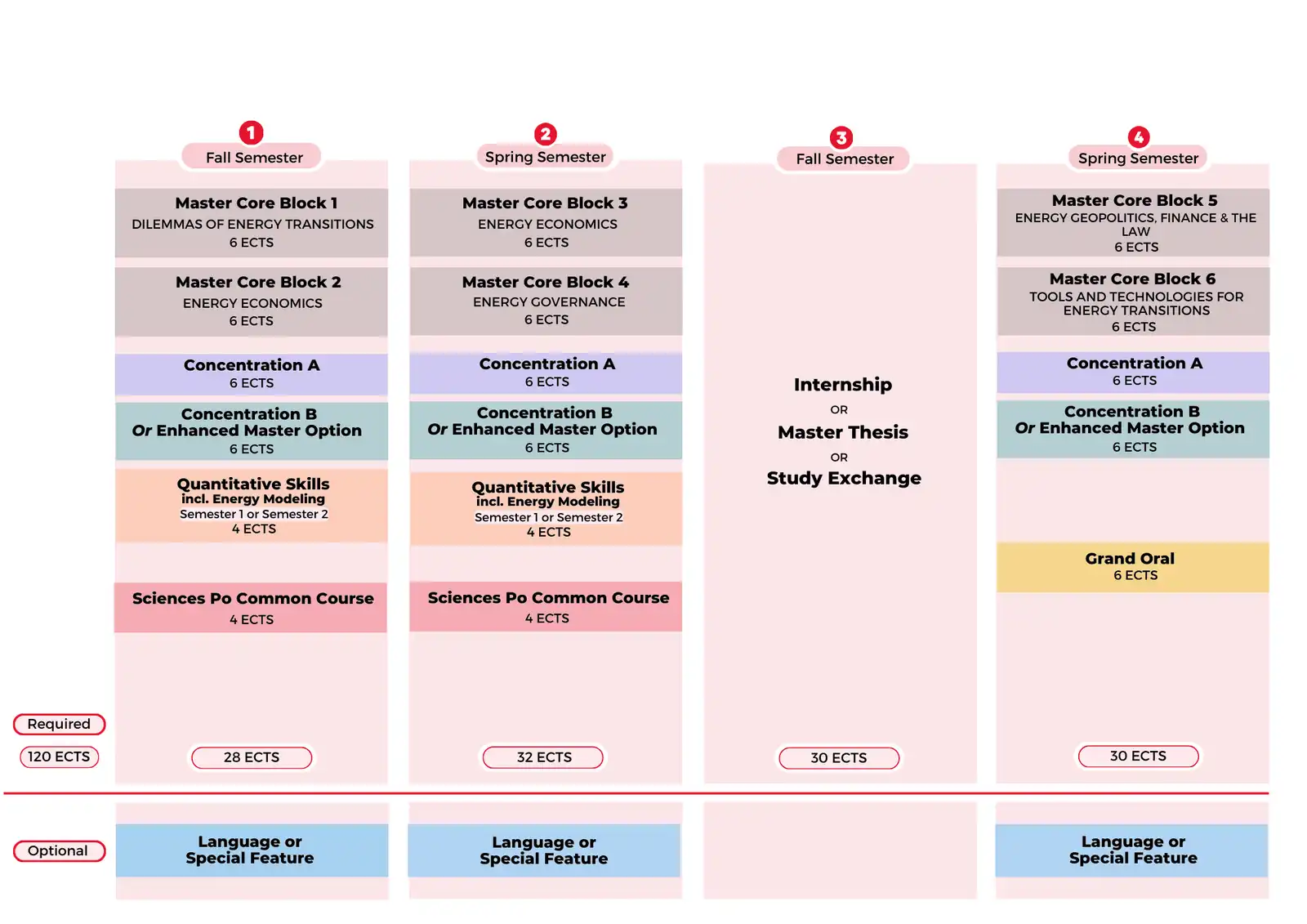
Download the Program structure (PDF, 81 Kb).
Further details regarding PSIA’s general program structure. The degree structure for students in the following programs can be found at: Dual Degree program, Joint Master program and One-Year Master program.
Courses
Career Opportunities
Graduates enter the global job market with a strong international outlook and an incomparable understanding of complex interrelations between different issues, actors and technological solutions. Our professional faculty assists students with finding interesting internships in the third semester and, where possible in their job search.
Governments, financial institutions, policy-oriented think tanks and the media seek professionals with sufficient technical knowledge of energy issues. Energy companies, increasingly numerous and diverse, need public policy experts to advise on political and social acceptability of technological solutions and business strategies. Career openings include private enterprises, research institutes, international organizations, banks, consulting and multinational firms.
Scientific Advisor
Dr Michal Meidan
Dr Michal Meidan is the Scientific Advisor for the Master in International Energy Transitions at the Paris School of International Affairs starting from Fall 2025.
Dr Michal Meidan is Head of China Energy Research at the Oxford Institute for Energy Studies. Before joining OIES in July 2019, she headed cross-commodity China research at Energy Aspects. Prior to that, she headed China Matters, an independent research consultancy providing analysis on the politics of energy in China. Michal also held senior analytical roles at Eurasia Group in New York and London, and at Asia Centre-Sciences Po, Paris. She taught undergraduate courses on China’s political economy at the Hebrew University in Jerusalem and has authored numerous academic articles. Michal also regularly provides comments for a wide variety of media outlets and is featured as a speaker at industry conferences.
Michal holds a PhD in Political Science and East Asian studies from Sciences Po, Paris. She is fluent in Mandarin and French.
Catharina Sikow-Magny
Catharina Sikow-Magny is the Scientific Advisor for the Master in International Energy Transitions at the Paris School of International Affairs starting from Fall 2025.
Before that Catharina worked at the European Commission where she held various positions since 1997, including Director responsible for Green Transition and Energy System Integration, Head of Unit in charge of Consumers, Local Initiatives, Just Transition and Head of Unit responsible for Networks and Regional Initiatives at the Directorate General for Energy. She has also worked on international transport, trans-European network policy and financing, internalisation of external costs, and strategic policy research.
Before joining the Commission, Catharina was a team leader and chief economist in the private sector in Finland. She has also worked for the United Nations Development Programme in Port-au-Prince, Haiti.
She holds a Master of Economics degree from the Aalto University, Finland.
Testimonials from graduates
- Mariia, Energy Portfolio Specialist, the World Bank
- Johan, Specialist, McKinsey & Company
- Youngsun, Business Development Analyst, Yamna
- Hadrien, Analyst, Aurora Research
- Salome, Associate Policy Regulatory Affairs, Equinor
- Alessa, Manager in sustainability solutions, ENGIE Impact
- Mariia, Gas Analyst at the Upstream Gas Infrastructure Department at the French Regulatory Commission (CRE)
- Kanak, Junior Officer in the Sustainable Energy teal, ICLEI World Secretariat in Bonn
- Ronald, Research Engineer, EDF
- Gawie, Manager for strategy, innovation and digitalization, Nambia Investment Promotion and Development Board (NIPDB)
- Francis, Sustainable Finance Analyst, BNP Paribas
- Siavash, Commercial Director, Enertime
- Jacopo, Market Reporter in the European natural gas team, Argus Media
Discover PSIA 2025 Summa Cum Laude
CONTACTS
Scientific Advisors: Dr Michal Meidan; Catharina Sikow-Magny
Academic Advisor: Cecilia Baeza
Academic Assistant: Tiziana Zanirato
Secretariat open:
- Monday, Tuesday and Thursday 9:30-12:45 and 2:15-4:45
- Wednesday and Friday 9:30-12:45
Key information about the application process (requirements, documents, deadlines and calendar, etc) can only be found on Sciences Po’s Admissions website.
Sciences Po Live

Sciences Po organised a presentation of the Paris School of International Affairs' Masters programmes with the Director, students and alumni.


