

Accueil>From Paris to Florence: Sciences Po PhD Students at the 17th European Graduate Network Conference


16 avril 2026
From Paris to Florence: Sciences Po PhD Students at the 17th European Graduate Network Conference
An article by the CERI team.
The European Graduate Network (EGN) brings together doctoral researchers in political and social sciences from eight of Europe's most prestigious institutions: the Berlin Graduate School of Social Sciences, Central European University, the European University Institute, the University of Zurich, the London School of Economics, Scuola Normale Superiore, Universitat Pompeu Fabra and Sciences Po. The network has been organising annual graduate conferences since 2007, from Budapest to Barcelona, and London to Vienna, creating spaces where PhD researchers can present early-stage work, receive substantive feedback, and forge lasting academic connections across borders.
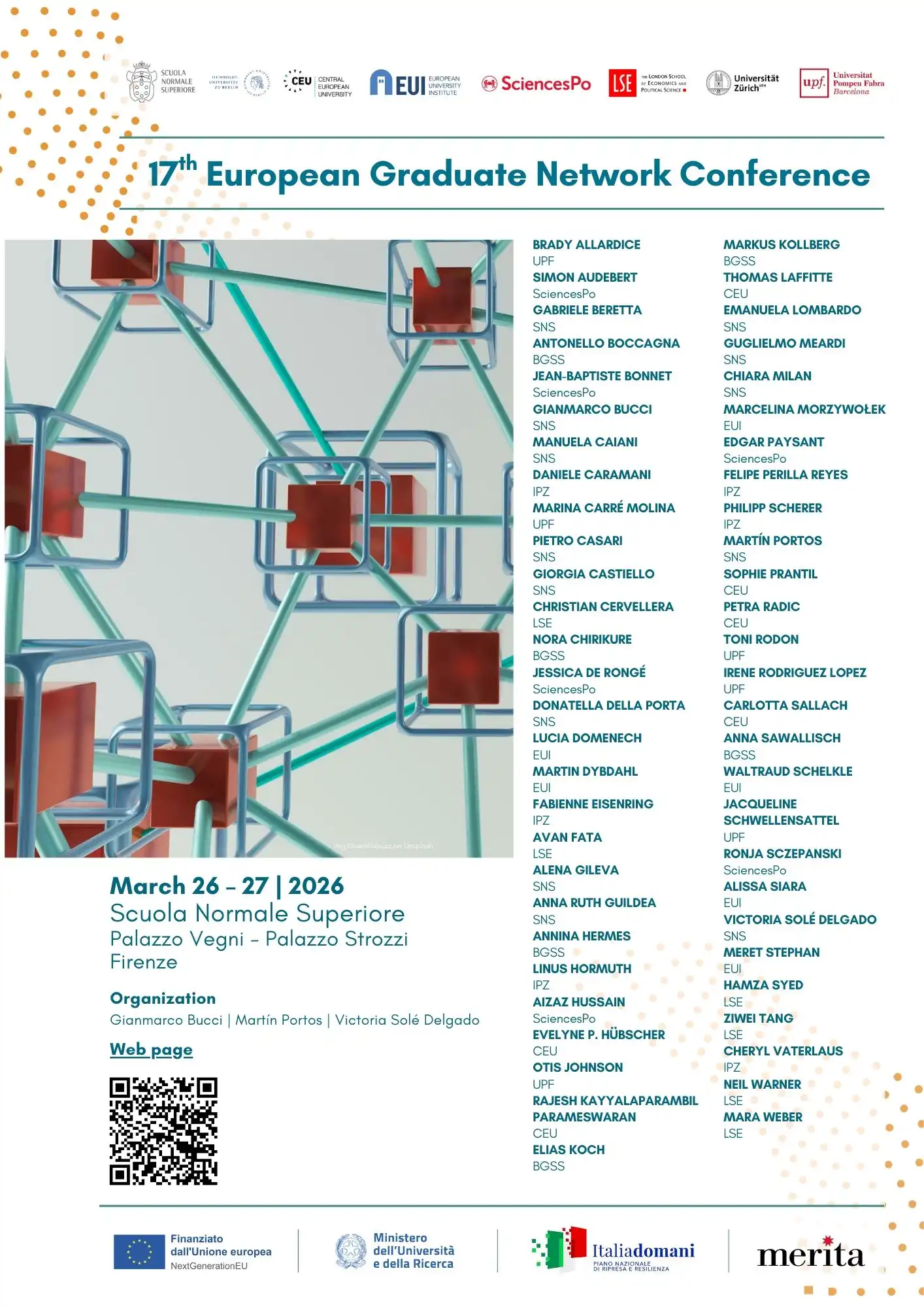
This March, the Scuola Normale Superiore hosted the 17th edition of the EGN Conference in Florence. The programme spanned ten panels covering a broad spectrum of the social sciences: from Comparative Politics and Civil Society to Gender and Politics, from Political Economy to Innovative Methodology, from Social Movements and Collective Action to Public Policies and Inequalities. Each panel paired PhD presenters with fellow doctoral discussants under the guidance of senior faculty chairs, a format designed to promote both peer-to-peer exchange and mentorship from established scholars.

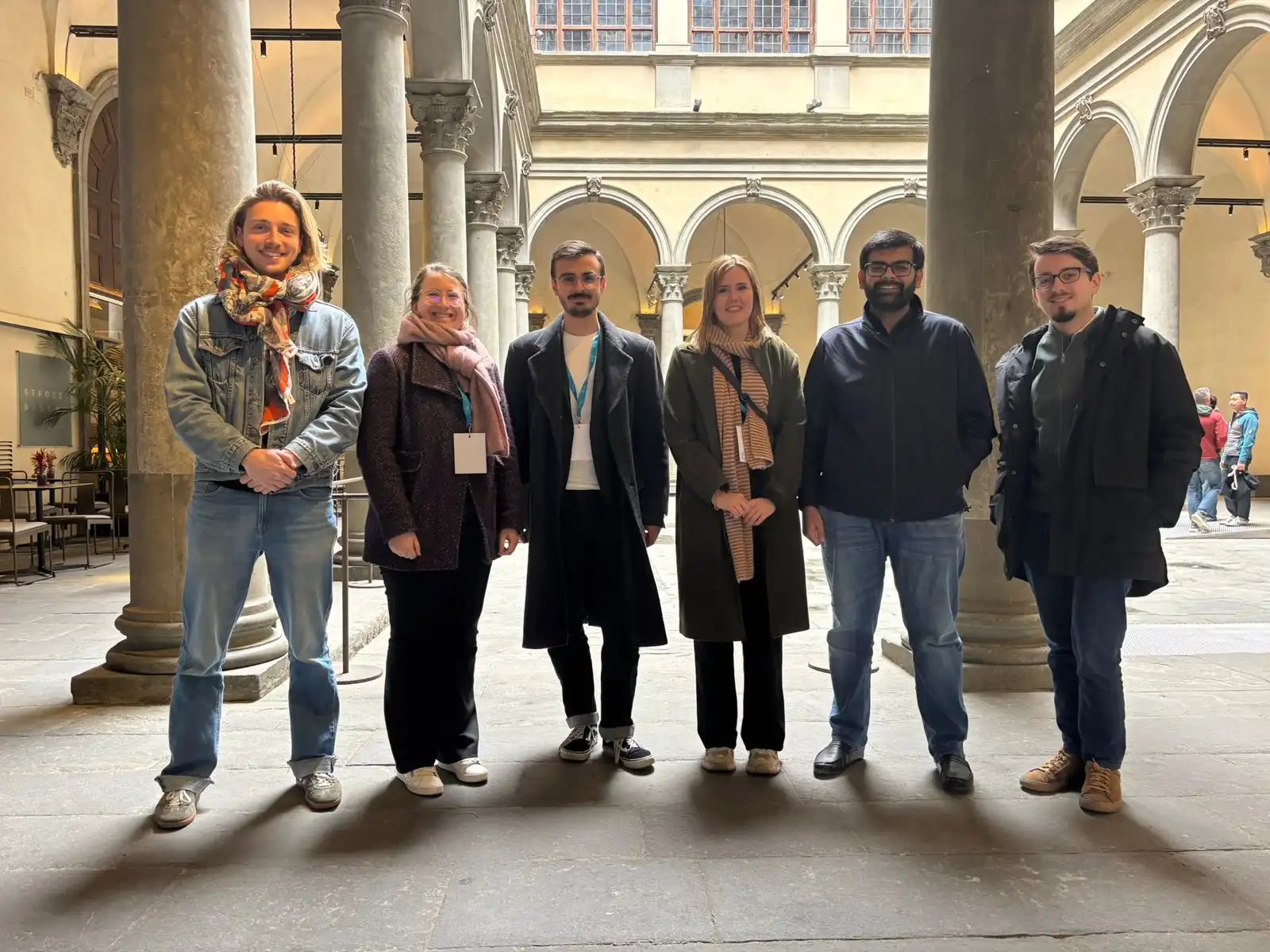
Sciences Po sent five PhD researchers and an Assistant Professor, from the Centre for European Studies and Comparative Politics (CEE) and the Centre for International Studies (CERI) to Florence. Each researcher presented work that reflected the broadness and ambition of doctoral research carried out in Paris. Jessica de Rongé explored citizen trust in deliberative mini-publics in France; Aizaz Hussain examined ethnic resistance and the game-changing effects of Chinese infrastructure investment in Pakistan; Edgar Paysant interrogated the queer politics of French domestic military deployments; Simon Audebert analysed the relationship between public service accessibility and far-right voting in rural France; Jean-Baptiste Bonnet investigated the political drivers of green industrial policy; and Ronja Sczepanski chaired the panel on Political Behaviour.
For most of them, Florence also represented a personal milestone, a first international presentation, an opportunity to experience the rhythms of academic conference life, or a chance to deepen connections built at a previous edition. Their testimonies speak to what makes the EGN conference distinctive: not the prestige of a large academic gathering, but the quality of a carefully designed space for early-career researchers to think, share, and grow.

The PhD-focused format of the conference was a recurring theme in their reflections. For Edgar Paysant, who was attending for the first time, it offered a rare and valuable opportunity: "As it was my first time participating in a conference, the European Graduate Conference was an incredible opportunity to understand how a conference operates and to prepare myself for future conferences with more senior scholars whose work I engage with. Such a PhD peer environment allows for constructive and accessible feedback on first drafts of work. It was also a very refreshing chance to meet fellow PhD researchers and to build networks with European colleagues!" Jessica de Rongé echoed this opinion: “The EGN conference, organised specifically for PhD researchers, makes it a great opportunity to present early work without the pressure of a larger conference. The combination of feedback from peers and senior researchers was very constructive for my work.”
For Simon Audebert, the Florence edition also marked a significant step: "My participation in the 17th EGN conference gave me the opportunity to deliver my first international presentation in an exceptional setting. Being able to present my paper and discuss the work of other PhD students, with the support and feedback of senior researchers, was an extremely enriching experience. The accessibility and kindness of the participants created a welcoming atmosphere that facilitated conversations, the exchange of ideas and building relationships with members of partner universities across Europe. I left the conference with a renewed sense of motivation and a great appreciation for the quality of the exchanges."

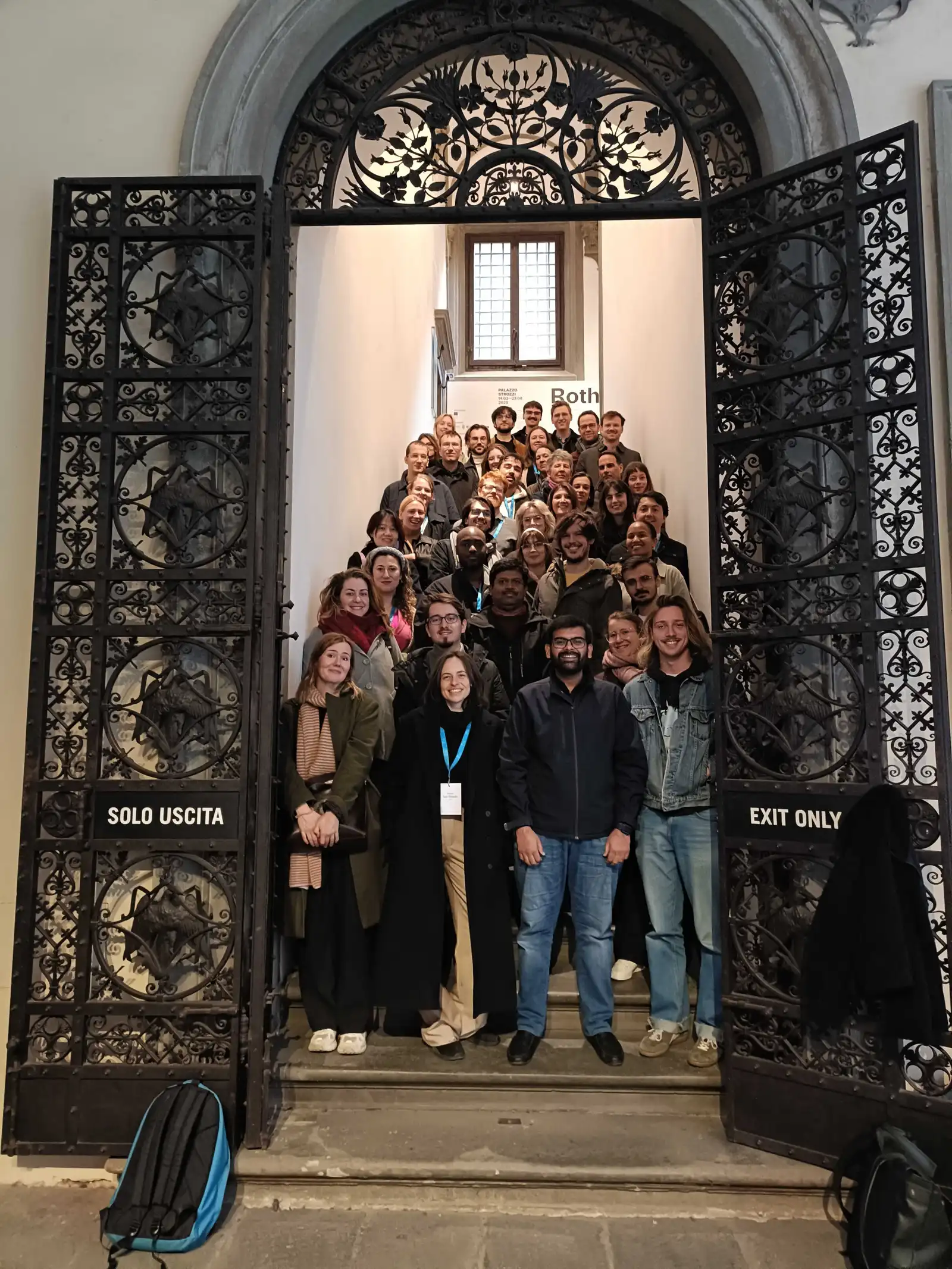
Beyond the panels themselves, it was the informal moments that left a lasting impression on several participants. Aizaz Hussain captured this well: "Attending the 17th EGN Conference in Florence was a wonderful experience. It was great to be part of a platform that brought together graduate researchers from different countries, all sharing their ideas and engaging in thoughtful discussions. Apart from that, what I appreciated were the conversations that took place outside the formal panels, during coffee breaks, food tables, and walks between sessions. Being in Florence, surrounded by its history and atmosphere, added something special to the experience. I left the conference with new connections, fresh perspectives, and a deep appreciation for this community of scholars". For Jessica de Rongé, too, the conference "also created a nice space to develop your network and engage with PhD/seniors working on similar topics."
Jean-Baptiste Bonnet, attending for the second time, was well-placed to reflect on what makes the EGN a recurring fixture worth returning to: “Attending the EGN conference for the second time was a great experience. As a PhD-focused conference, it is a great place to get feedback on early work. It offers the opportunity to discover new people from great universities all over Europe. As a bonus, having accommodation and food covered contributed to a great experience in the beautiful city of Florence.”
Taken together, their accounts paint a consistent picture: the EGN conference succeeds precisely because it's built around the needs of doctoral researchers.It is intellectually rigorous, maintains a human scale, offers generous feedback, and fosters rich cross-border encounters that define a genuinely European academic community.
- Jessica de Rongé (CEE - Sciences Po/CNRS): "Citizen’s Trust in Mini-Publics in France"
PhD discussant: Petra Radic (CEU)
- Aizaz Hussain (CERI - SciencesPo/CNRS): "Shadows of the Silk Road: How CPEC Transformed Ethnic Resistance in Pakistan?"
PhD discussant: Meret Stephan (EUI)
- Edgar Paysant (CERI - SciencesPo/CNRS): "The Sexuality of Militarisation: The Queer Politics of France’s Domestic Military Deployments"
PhD discussant: Ziwei Tang (LSE)
- Jean-Baptiste Bonnet (CEE - SciencesPo/CNRS): "Who Drives the Transition? Institutional Adaptation and the Politics of Green Industrial Policies"
PhD discussant: Gabriele Beretta (SNS)
- Simon Audebert (CEE - SciencesPo/CNRS): "Public Service Accessibility as a Predictor of Far-Right Voting in Rural Municipalities in France"
PhD discussant: Brady Allardice (UPF)
- Panel 8 “Political behavior” chaired by Ronja Sczepanski, Assistant Professor at CEE - Sciences Po/CNRS
- Jessica De Rongé : "La confiance des citoyens dans les mini-publics" supervised by Brenda Van Coppenolle and Jan Rovny
- Aizaz Hussain : “The Impact of Chinese Geoeconomics on Ethnic Communities: A Case Study of Pakistan” supervised by Christophe Jaffrelot
- Edgar Paysant : “Protection and emotions in non-conventional military operations” supervised by Chiara Ruffa and Béatrice Châteauvert-Gagnon
- Jean-Baptiste Bonnet : “Paint it Green: the Political Economy of Ecological Transitions in Europe” supervised by Philippe Bezes and Cyril Benoit
- Simon Audebert : “Les comportements politiques écologistes au prisme des territoires en France” supervised by Florence Haegel